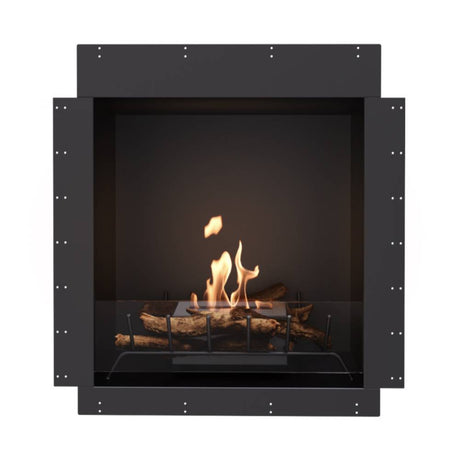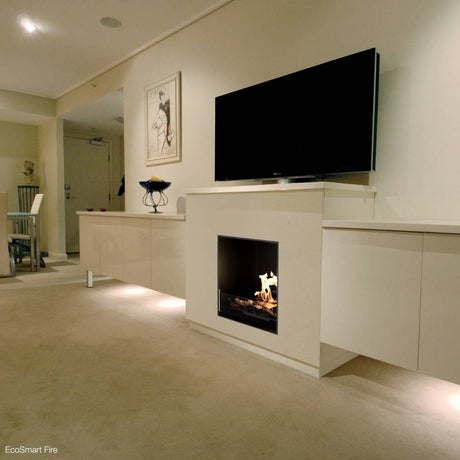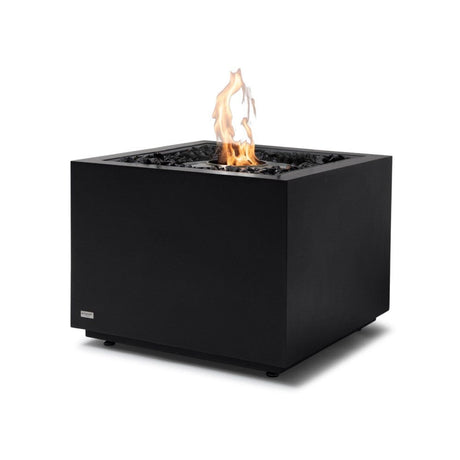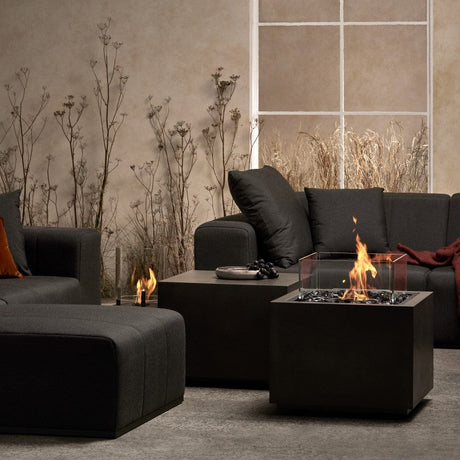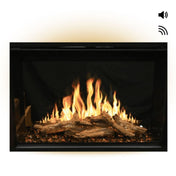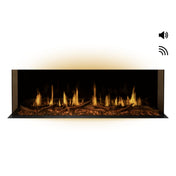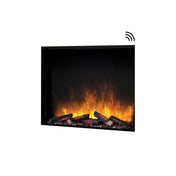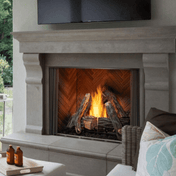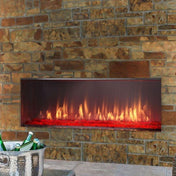

In this article, you will learn about safety regulations and building codes for ethanol fireplaces in the United States.
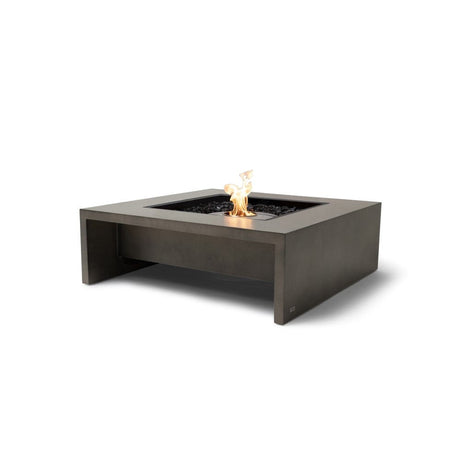
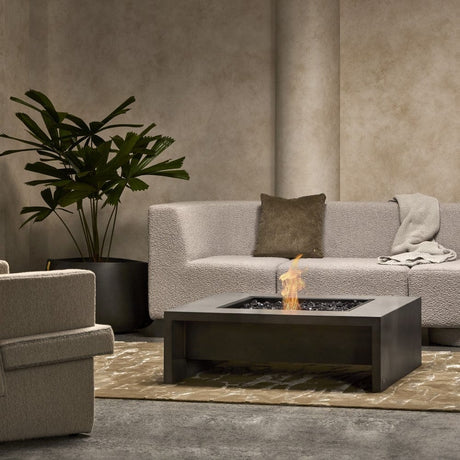
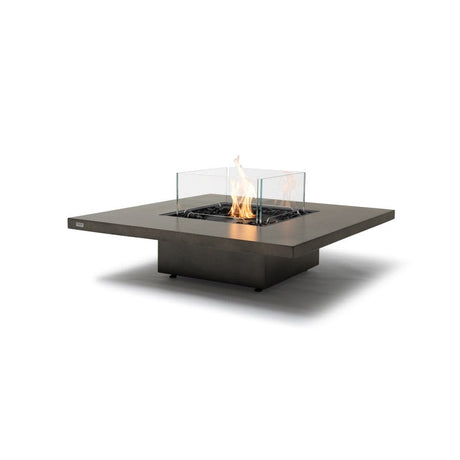
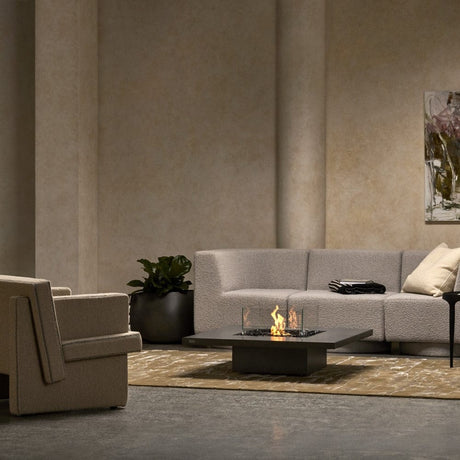
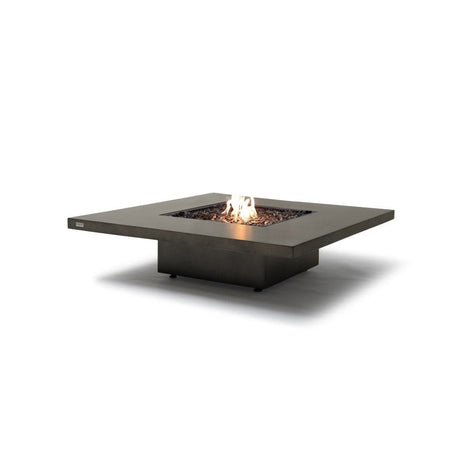
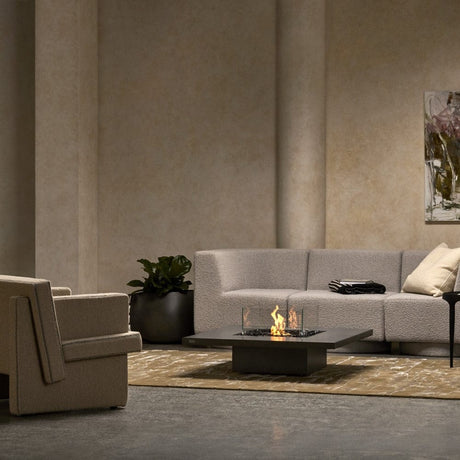
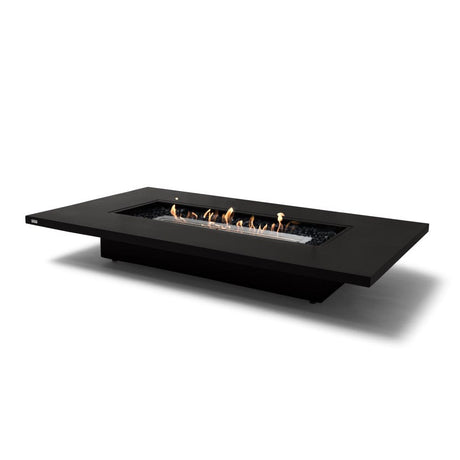
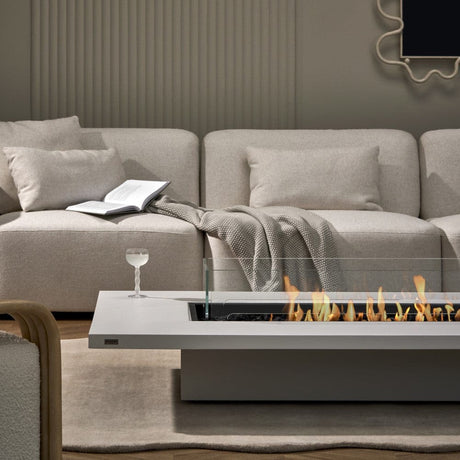
Bioethanol fireplaces are an innovative alternative to traditional wood and gas fireplaces. Needing no flues, chimneys or natural gas hookups, these fireplaces are fueled with ethanol (also known as alcohol) that burns clean without emitting any harmful toxins into the air, with only harmless water vapor produced as a byproduct and a small amount of Carbon Dioxide. This means that with ethanol fireplaces anyone can enjoy a warming fireplace anywhere they wish.
Related Article: What is an Ethanol Fireplace?

Safety Regulations of Ethanol Fireplaces
There are no legal or other regulations from government bodies or other organizations for decorative fireplaces that run on alcohol. However, ethanol fireplaces are to be used with common sense. Always follow installation and safety instructions provided by the manufacturer. The flame should never be left unattended and you should have a window in the room with an ethanol-run fireplace, which you can open if it gets too hot.
The U.S. Fire Administration and the National Fire Protection Association (NFPA) consider ethanol fireplaces suitable for home use. “The safety guidelines are pretty much the same as a regular fireplace,” said the NFPA’s Judy Comoletti. (http://www.wsj.com/articles/one-fire-please-hold-the-soot-1449170833)
NFPA Video With Safety Recommendations for Portable Ethanol Fireplaces:
Safety tips discussed in the video:
- Store ethanol fuel in a closed container, away from the fireplace and out of the reach of children.
- It may not be easy to see the ethanol fuel flame. Always close the lid or use a snuffer to be sure the flame is extinguished before refueling into a cooled fireplace.
- Use only fuel made specifically for the fireplace.
- A portable ethanol burning fireplace, and the fuel, should only be used by adults.
- Clean up any fuel spillage and be sure all liquid has evaporated before lighting the fireplace.
- Light the fireplace using a utility lighter or long match.
- An adult should always be present when a portable fireplace is burning.
- Place the fireplace on a sturdy surface away from table edges.
- Never try to move a lit fireplace or one that is still hot.
- Don’t pour ethanol fuel in a device that is lit or not completely cool. It may result in a fire or injury.
- Allow the device to cool down for at least 15 minutes before refueling.
- Extinguish the flame when you leave the room, home or go to sleep.
Building Codes and Regulations
Ethanol (Bioethanol) fireplaces are classified as decorative fireplace appliances intended for occasional use only (not for heating) and are currently not subject to building regulation in the United States. However, we recommend calling your local architect or fire department for code compliance questions.
Here is an online resource for building codes by state: http://www.cmdgroup.com/building-codes/
You might also want to check with your home insurance company if they have any restrictions if you are installing a built-in unit. Some insurance companies require UL certification.
You can find all UL Listed Ethanol Fireplaces HERE.
To sum it up, there are no safety regulations or known building codes for ethanol fireplaces in the United States. In general, ethanol fireplaces can be safely used anywhere indoors as long as they are installed and used according to the manufacturer’s directions. However, it’s a real fire, and therefore a fire can be started if you’re careless with the product. Please make sure you carefully read and follow installation and safety instructions. Use common sense and be safe!
Want to save on your fireplace purchase? Click here to get on our email list!
Continue Reading:
What is an Ethanol Fireplace?
Is an Ethanol Fireplace Right For You?
The 5 Benefits of Ethanol Fireplaces
Regulations of Ethanol Fireplaces
The Easiest Way to Bring Your Old Fireplace Back to Life
How to Build Your Own Bio-Ethanol Fireplace Using Ethanol Burner
Shop Ethanol Fireplaces:
Wall Mounted Ethanol Fireplaces
Free Standing Ethanol Fireplaces
Table Top Ethanol Fireplaces
Ethanol Fireboxes: Manual and Remote Controlled
Ethanol Burners: Manual and Remote Controlled
Outdoor Ethanol Fireplaces
We share even more on Social Media:
Click Here to join our Design Community!
Click here to Follow us on Houzz
Check out our social media: