2-Sided Gas Fireplaces
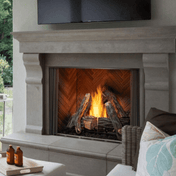
A double sided gas fireplace is open on two opposite faces, so one firebox serves two rooms and the flame is visible from both. This collection spans sealed direct vent models with glass on each side, open-front vent-free fireboxes with a mesh safety barrier, and see-through log sets that drop into an existing masonry opening.
Authorized Dealer • Full Warranties • Free US Shipping
-
Get Expert Help
Need help choosing the right model?
Get expert guidance on fuel type, sizing, and installation.
 Sale
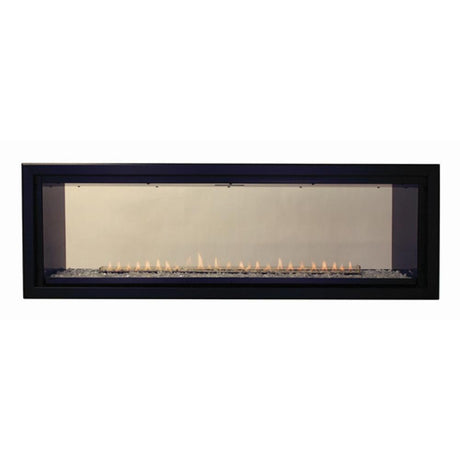
SaleEmpire Boulevard 48-Inch Linear Vent-Free See-Through Gas Fireplace
Sale price $3,769.00 Regular price $4,899.70Unit price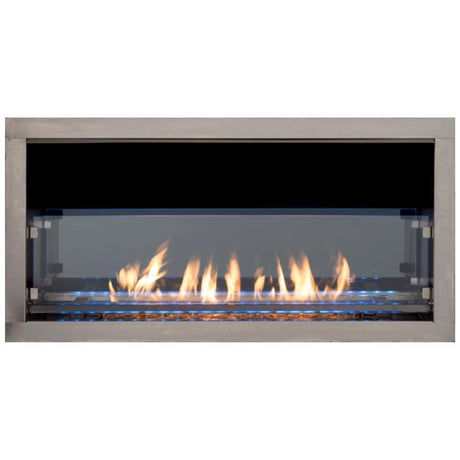
 Sale
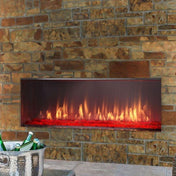
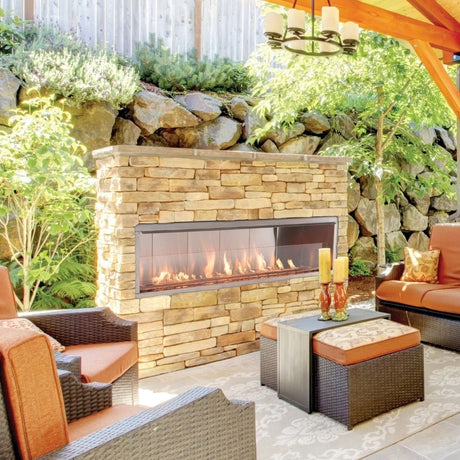
SaleSuperior Linear Vent-Free Outdoor Gas Fireplace - Optional See-Through
Sale priceFrom $5,659.00 Regular price $7,356.70Unit price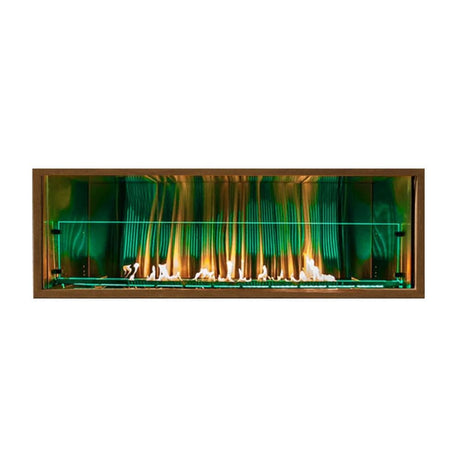
 Sale
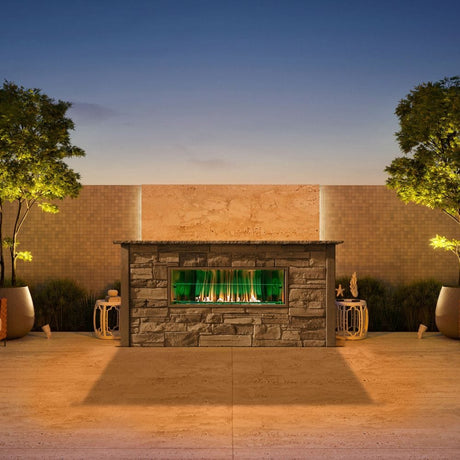
SaleFiregear Kalea Bay Outdoor Linear Vent Free Gas Fireplace with LED Lights
Sale priceFrom $4,299.00 Regular price $5,588.70Unit price Sale
SaleEmpire Tahoe Clean-Face 36-Inch See-Through Direct Vent Gas Fireplace
Sale priceFrom $4,929.00 Regular price $6,407.70Unit price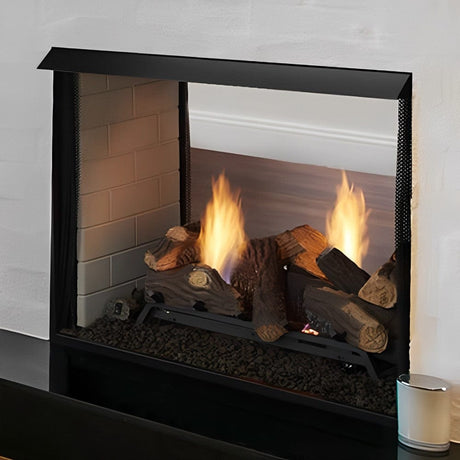
 Sale
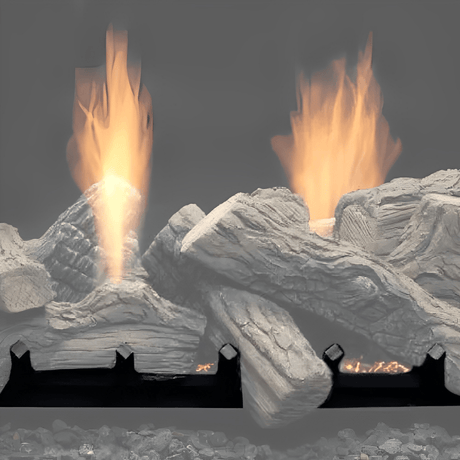
SaleMonessen Natural Blaze 27-Inch See-Through Gas Log
Sale price $1,169.00 Regular price $1,519.70Unit price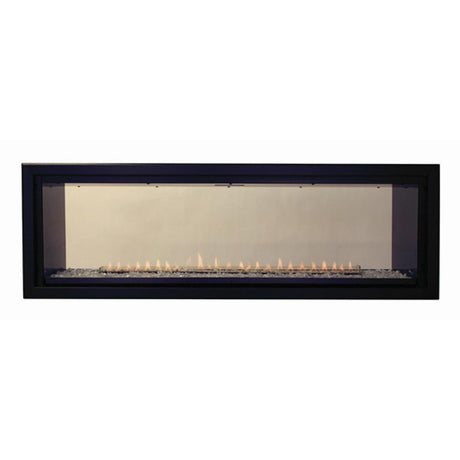
 Sale
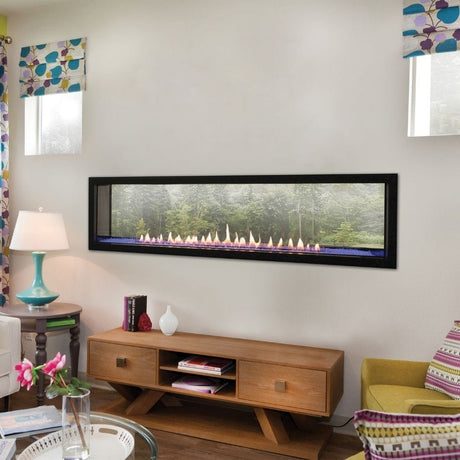
SaleEmpire Boulevard 60-Inch Linear Vent-Free See-Through Gas Fireplace
Sale price $6,109.00 Regular price $7,941.70Unit price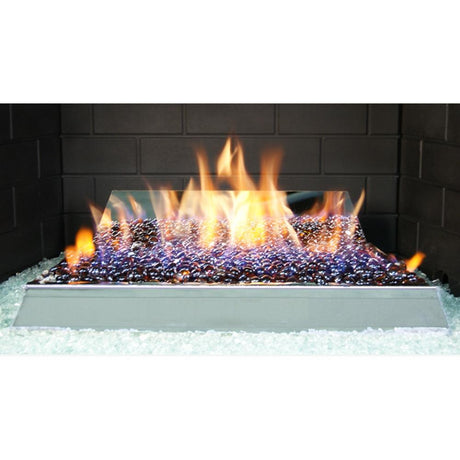
 Sale
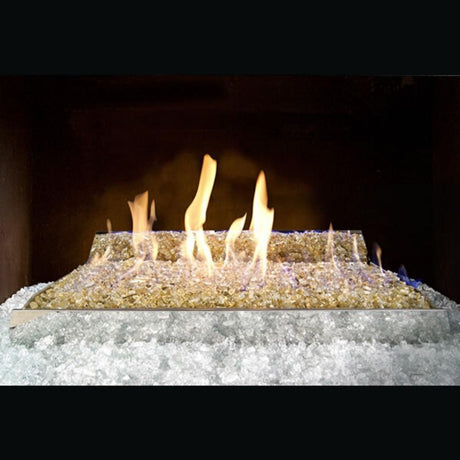
SaleReal Fyre Contemporary 24-Inch See-Through Vent-Free Gas Fire Glass Set Insert
Sale price $2,138.00 Regular price $2,779.40Unit price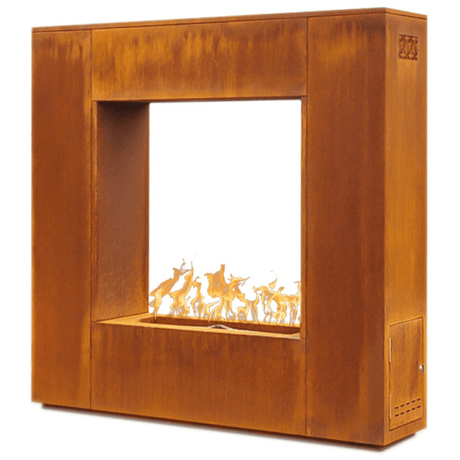
 Sale
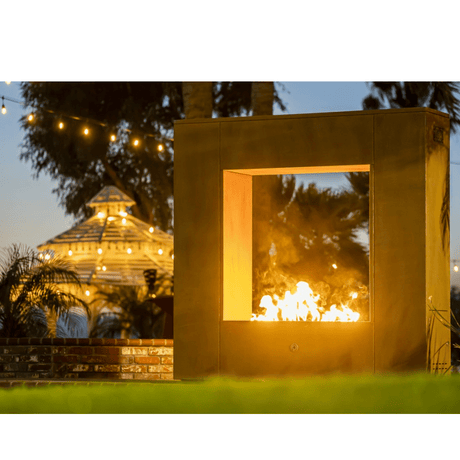
SaleTop Fires The Williams Outdoor Gas Fireplace with Flame Sense Ignition - 3 Sizes
Sale priceFrom $13,230.00 Regular price $14,553.00Unit price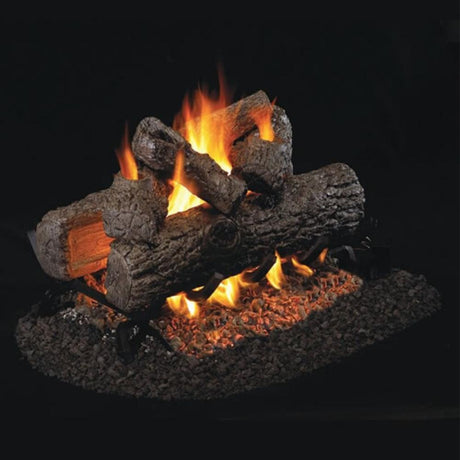
 Sale
SaleReal Fyre Golden Oak 24-Inch See-Through Vent-Free Gas Log Set Insert
Sale price $1,621.00 Regular price $2,107.30Unit price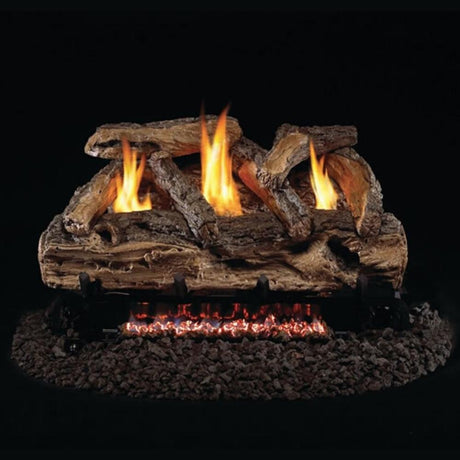
 Sale
SaleReal Fyre Split Oak 24-Inch See-Through Vent-Free Gas Log Set Insert
Sale price $1,621.00 Regular price $2,107.30Unit price
 Sale
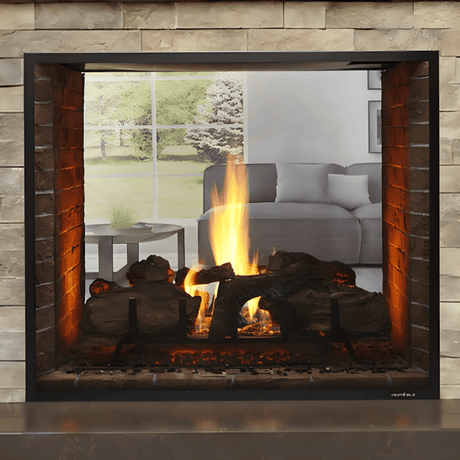
SaleMonessen Lo-Rider 36-Inch Designer See-Through Ventless Gas Firebox (LSTF36-B)
Sale price $1,919.00 Regular price $2,494.70Unit price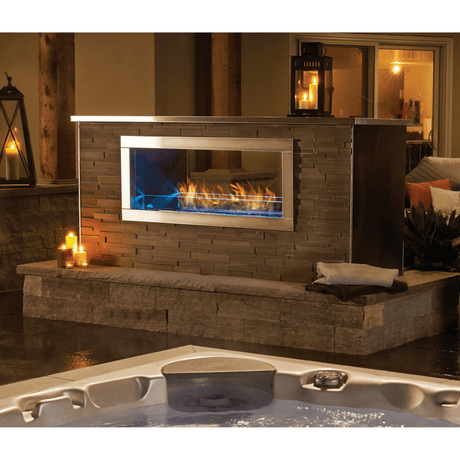
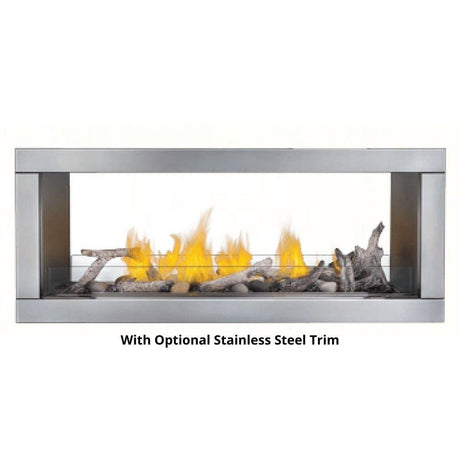
Napoleon Galaxy See Through 48-Inch Outdoor Natural Gas Fireplace (GSS48STE)
Regular price $5,149.00Unit price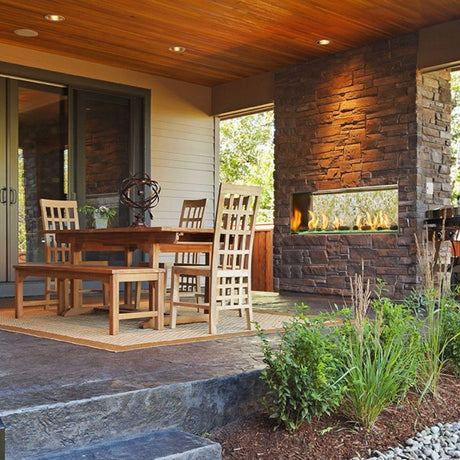
 Sale
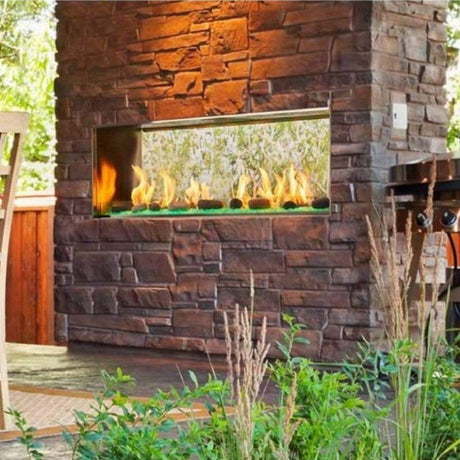
SaleMajestic Lanai 48" See-Through Vent-Free Outdoor Natural Gas Fireplace (ODLANAIGST-48)
Sale price $5,249.00 Regular price $6,823.70Unit price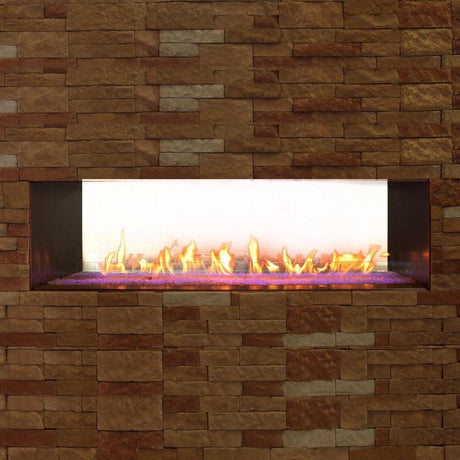
 Sale
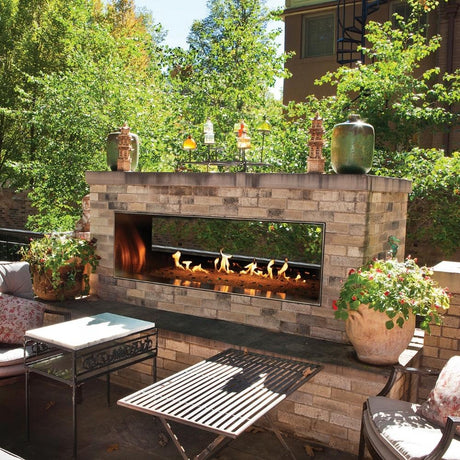
SaleEmpire Carol Rose See-Thru Vent-Free Outdoor Linear Gas Fireplace
Sale priceFrom $4,659.00 Regular price $6,056.70Unit price

Napoleon Vector See-Through Direct Vent Gas Fireplace
Regular priceFrom $6,179.00Unit price
 Sale
SaleSuperior DRT63ST See-Through Direct Vent Gas Fireplace
Sale priceFrom $10,649.00 Regular price $13,843.70Unit price
 Sale
SaleSuperior DRT40ST See-Through Direct Vent Gas Fireplace
Sale price $6,069.00 Regular price $7,889.70Unit price Sale
SaleSuperior DRT35ST See-Through Direct Vent Gas Fireplace
Sale price $5,299.00 Regular price $6,888.70Unit price
 Sale
SaleEmpire Tahoe 36-Inch See-Through Direct Vent Gas Fireplace
Sale price $3,819.00 Regular price $4,964.70Unit price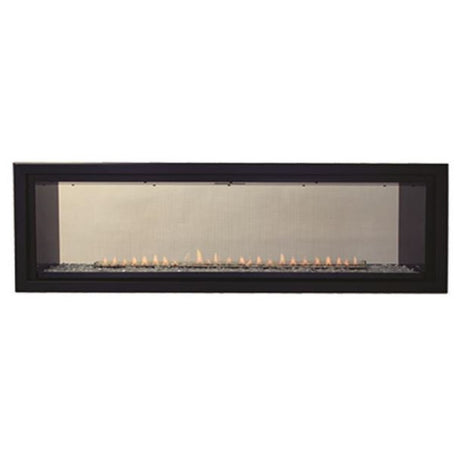
 Sale
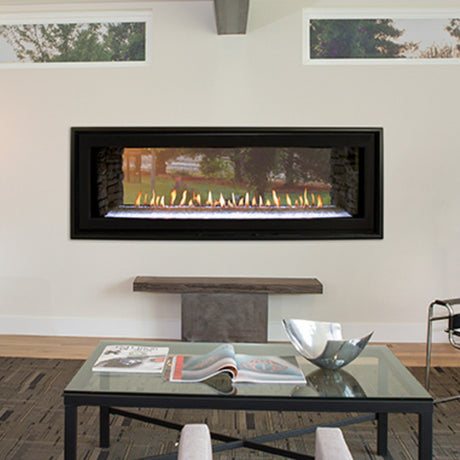
SaleEmpire Boulevard 48-Inch See-Through Direct Vent Gas Fireplace
Sale price $8,539.00 Regular price $11,100.70Unit price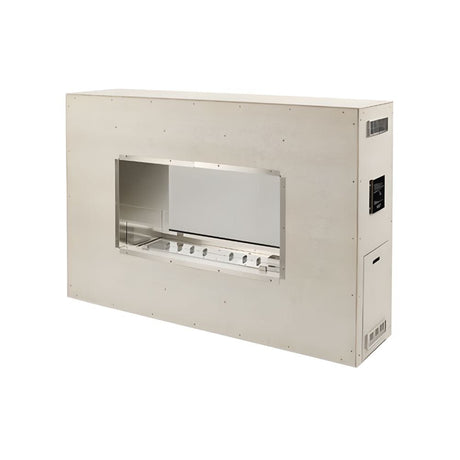
 Sale
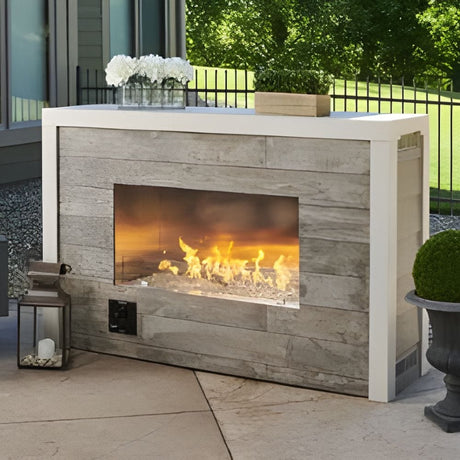
SaleThe Outdoor GreatRoom Company Ready to Finish Gas Fireplace
Sale priceFrom $4,299.00 Regular price $5,588.70Unit price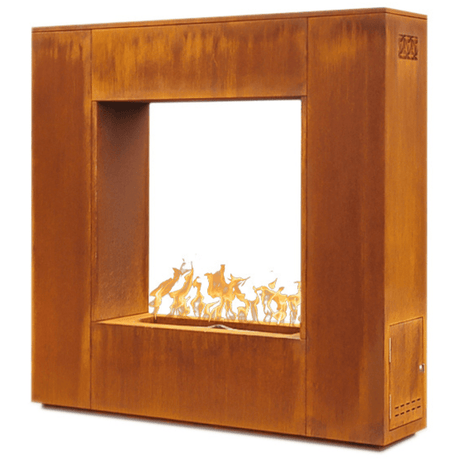
 Sale
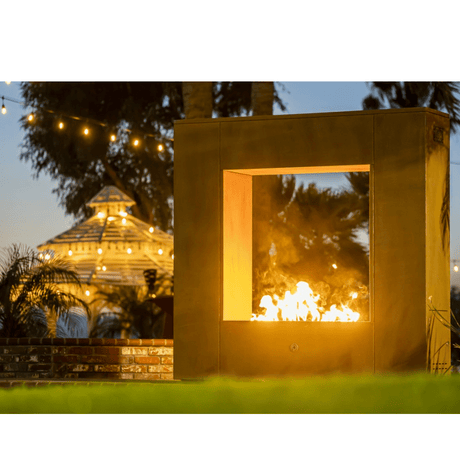
SaleTop Fires The Williams Outdoor Gas Fireplace with Electronic Ignition - 3 Sizes
Sale priceFrom $14,118.00 Regular price $15,530.00Unit price


Frequently Asked Questions about 2-Sided Gas Fireplaces
What is a double sided gas fireplace?
What is a double sided gas fireplace?
Do double sided gas fireplaces have glass on both sides?
Do double sided gas fireplaces have glass on both sides?
What is the mesh barrier on a vent-free model for?
What is the mesh barrier on a vent-free model for?
Are ventless double sided fireplaces legal where I live?
Are ventless double sided fireplaces legal where I live?
Can a double sided fireplace go in an interior wall between two rooms?
Can a double sided fireplace go in an interior wall between two rooms?
How much heat does a double sided gas fireplace put out?
How much heat does a double sided gas fireplace put out?
-
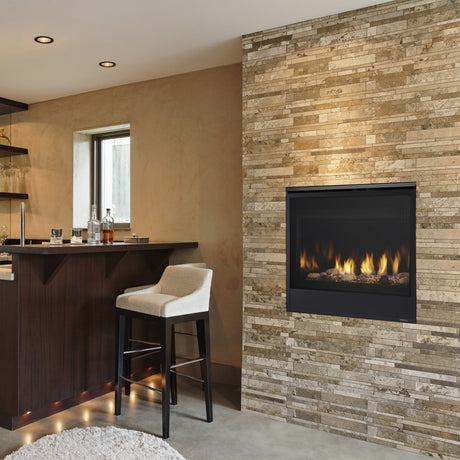 Sale
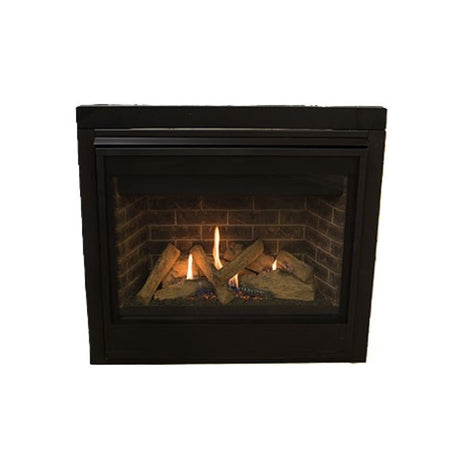
SaleMajestic Quartz Direct Vent Gas Fireplace
Sale priceFrom $2,359.00 Regular price $3,066.70Unit price -

 Sale
SaleEmpire Tahoe Luxury Traditional Direct Vent Gas Fireplace
Sale priceFrom $4,069.00 Regular price $5,289.70Unit price -

 Sale
SaleEmpire Tahoe Premium Traditional Direct Vent Gas Fireplace
Sale priceFrom $2,319.00 Regular price $3,014.70Unit price -
 Sale
SaleEmpire Tahoe Deluxe Traditional Direct Vent Gas Fireplace
Sale priceFrom $1,729.00 Regular price $2,247.70Unit price -
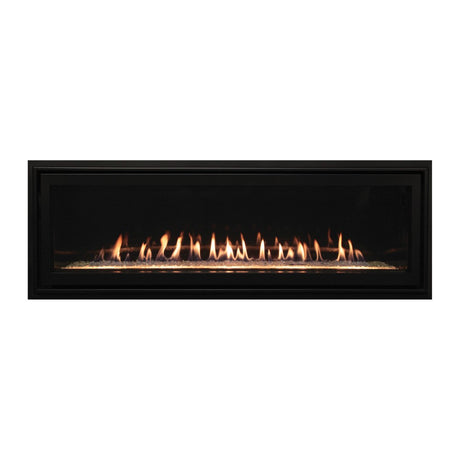
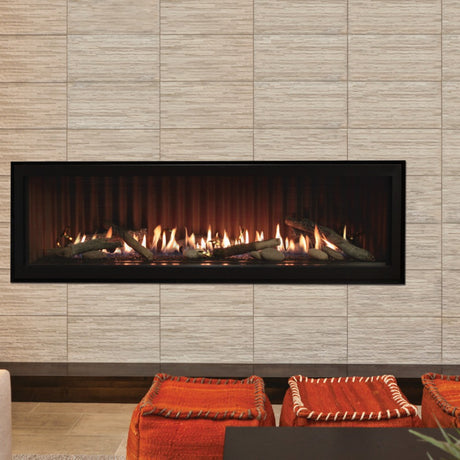 Sale
SaleEmpire Boulevard 60-Inch/72-Inch Linear Direct Vent Gas Fireplace
Sale priceFrom $6,989.00 Regular price $9,085.70Unit price -
Sale
Empire Boulevard 48-Inch See-Through Direct Vent Gas Fireplace
Sale price $8,539.00 Regular price $11,100.70Unit price -
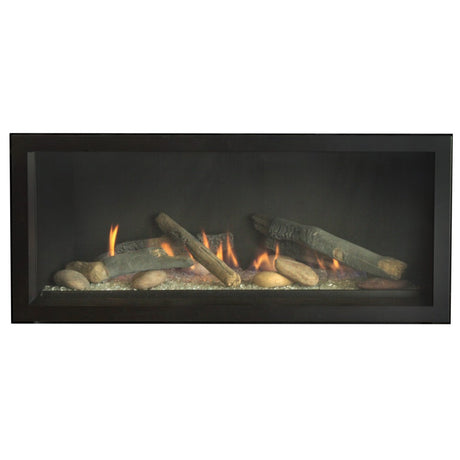
 Sale
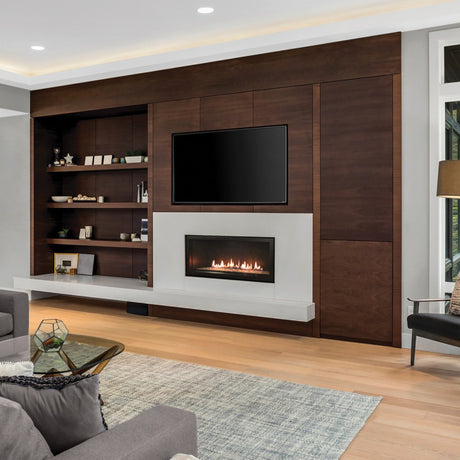
SaleEmpire Boulevard 36-Inch/48-Inch Linear Direct Vent Gas Fireplace
Sale priceFrom $5,049.00 Regular price $6,563.70Unit price -
 Sale
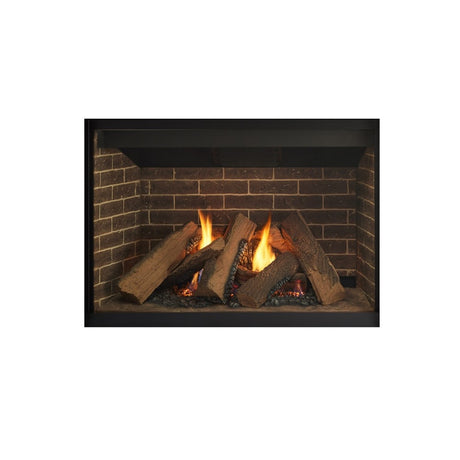
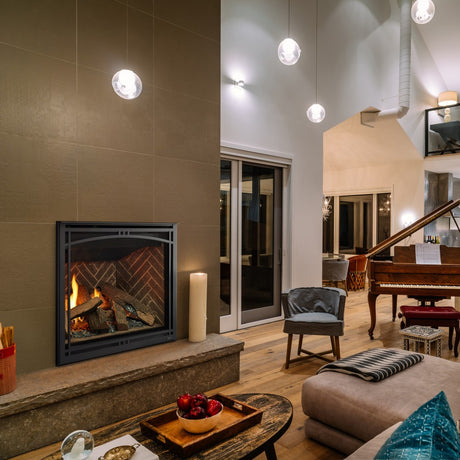
SaleMajestic Meridian Direct Vent Gas Fireplace
Sale priceFrom $3,199.00 Regular price $4,158.70Unit price -
 Sale
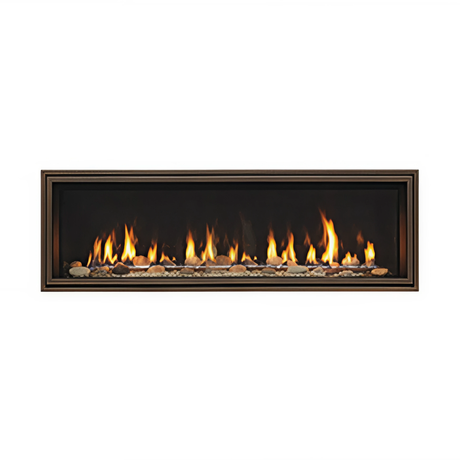
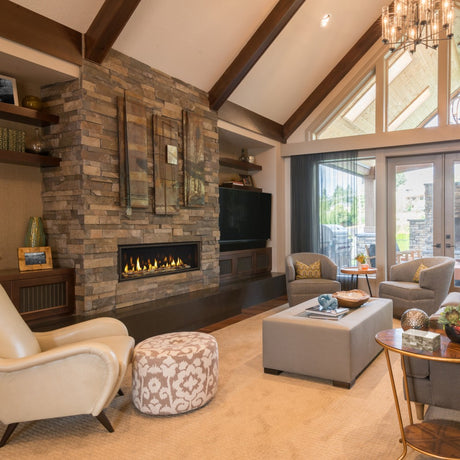
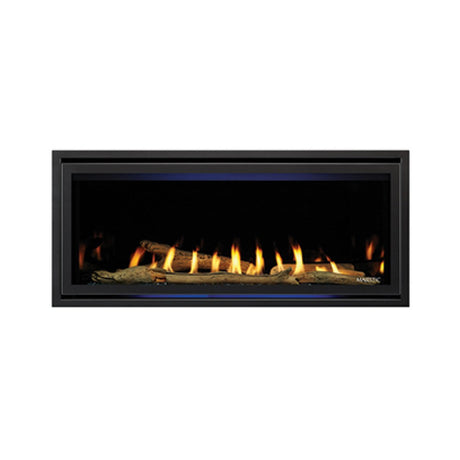
SaleMajestic Echelon II Direct Vent Gas Fireplace
Sale priceFrom $4,699.00 Regular price $6,108.70Unit price -
 Sale
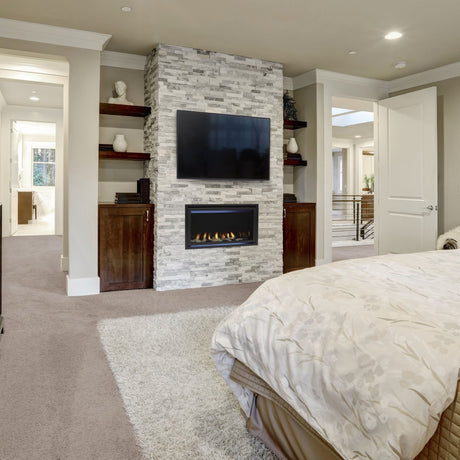
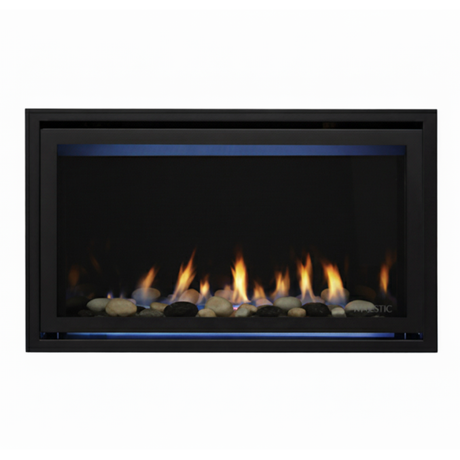
SaleMajestic Jade 42-Inch Direct Vent Gas Fireplace
Sale price $3,459.00 Regular price $4,496.70Unit price -
 Sale
SaleMajestic Jade 32-Inch Direct Vent Gas Fireplace (JADE32IN-B)
Sale price $2,809.00 Regular price $3,651.70Unit price -
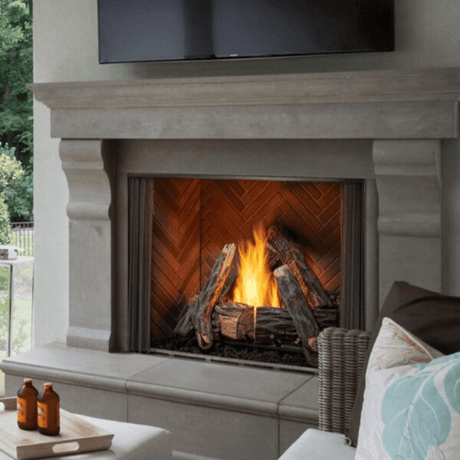
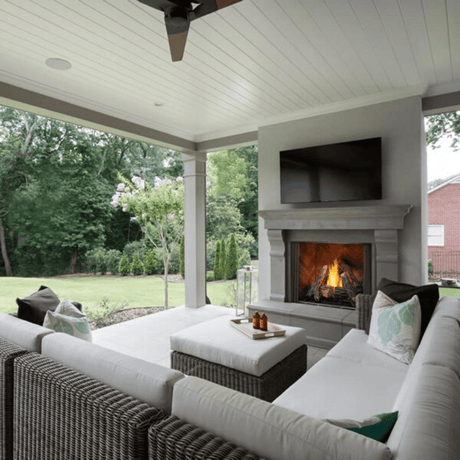 Sale
SaleMajestic Courtyard Vent-Free Outdoor Natural Gas Fireplace
Sale priceFrom $2,699.00 Regular price $3,508.70Unit price -
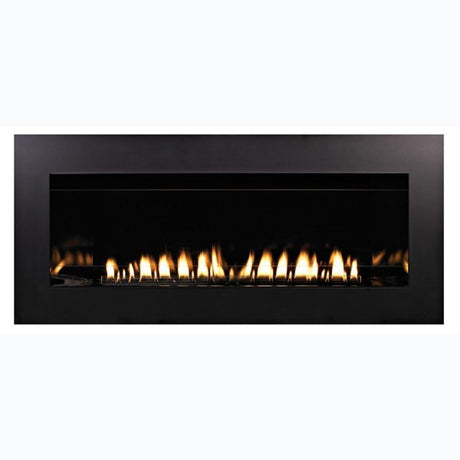
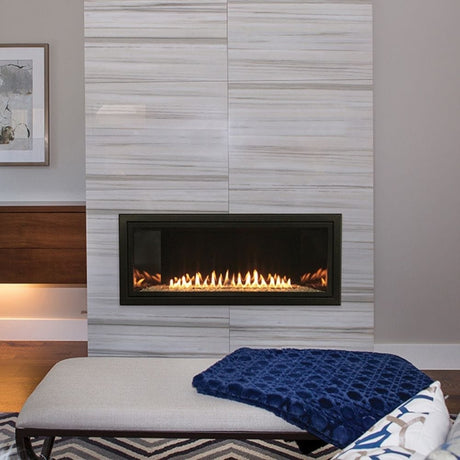 Most InstalledSale
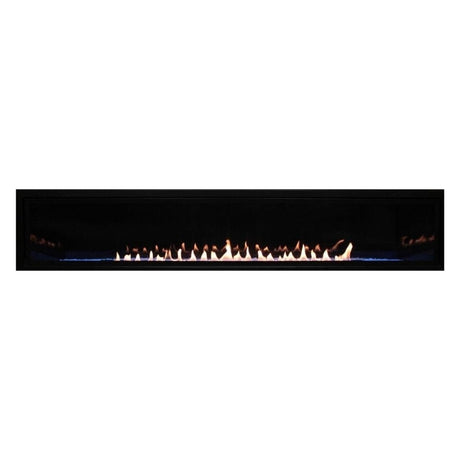
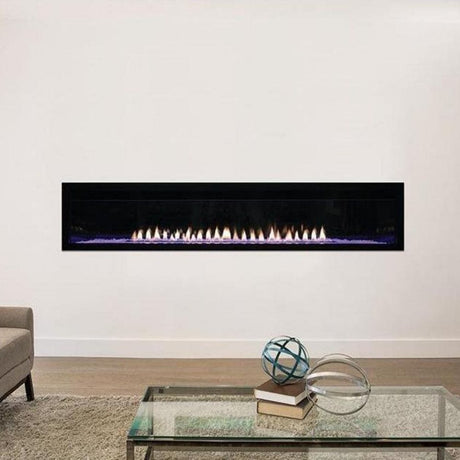
Empire Boulevard 36-Inch/48-Inch Linear Vent-Free Gas Fireplace
Sale priceFrom $3,005.00 Regular price $3,906.50Unit price -
 Best LinearSale
Empire Boulevard 72-Inch Linear Vent-Free Gas Fireplace
Sale price $7,069.00 Regular price $9,189.70Unit price -
 Sale
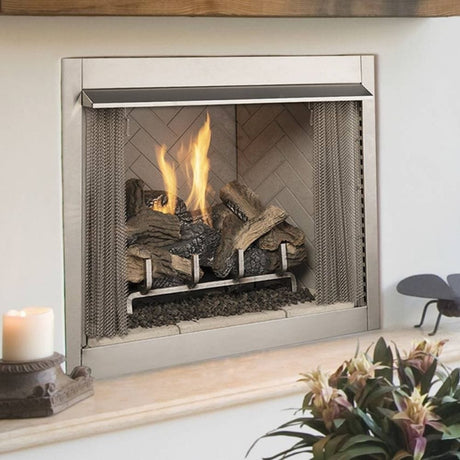
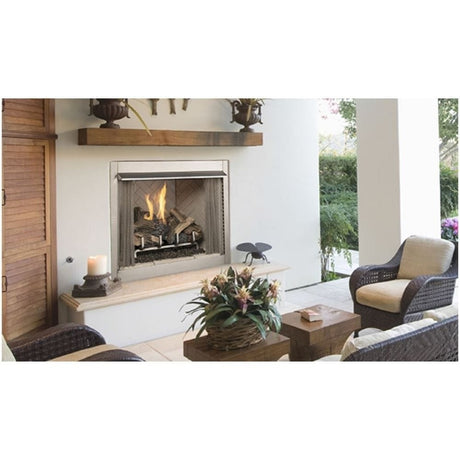
SaleSuperior VRE3200 Vent-Free Outdoor Gas Fireplace
Sale priceFrom $3,899.00 Regular price $5,068.70Unit price -
 Sale
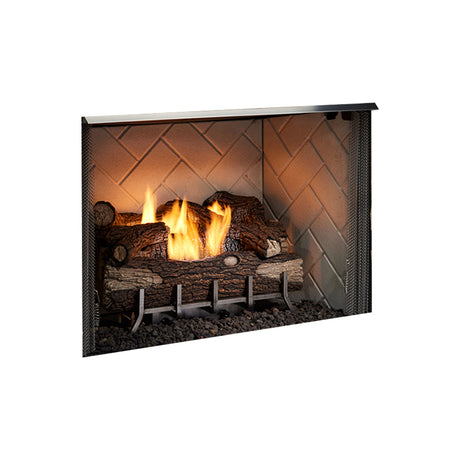
SaleMajestic Vesper 42-Inch Outdoor Ventless Gas Fireplace
Sale priceFrom $1,959.00 Regular price $2,546.70Unit price -
 Sale
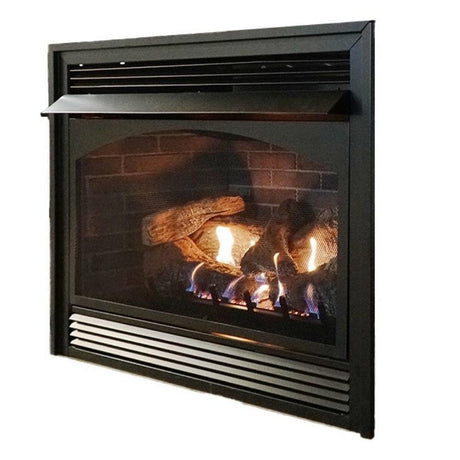
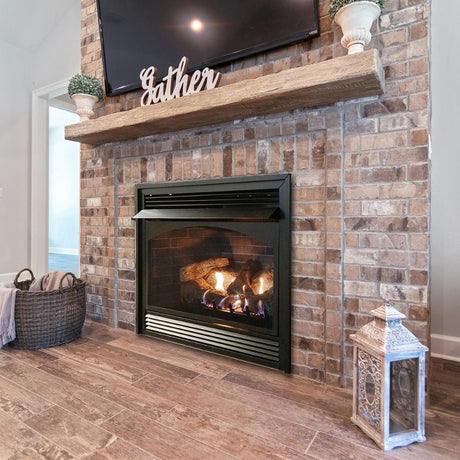
SaleEmpire Vail 36 Premium Vent-Free Gas Fireplace
Sale priceFrom $2,059.00 Regular price $2,676.70Unit price -
 Sale
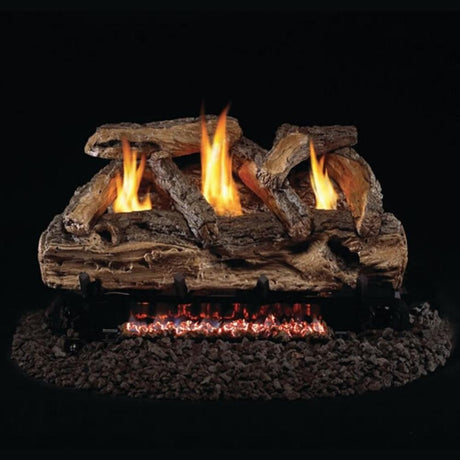
SaleReal Fyre Split Oak Vent-Free Gas Log Set Insert
Sale priceFrom $801.00 Regular price $1,041.30Unit price -
 Sale
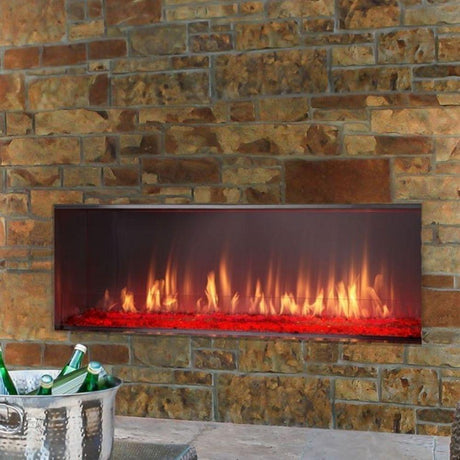
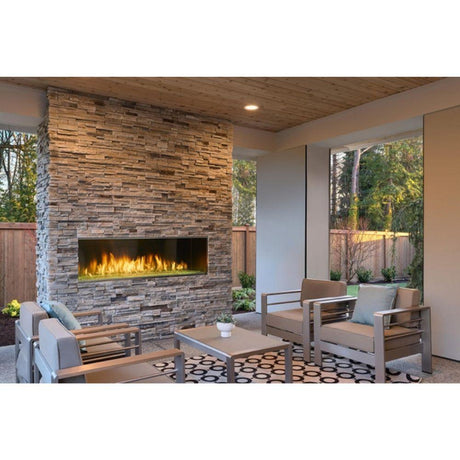
SaleMajestic Lanai Vent-Free Outdoor Natural Gas Fireplace
Sale priceFrom $4,639.00 Regular price $6,030.70Unit price -
Sale
Empire Boulevard 48-Inch Linear Vent-Free See-Through Gas Fireplace
Sale price $3,769.00 Regular price $4,899.70Unit price -
 Sale
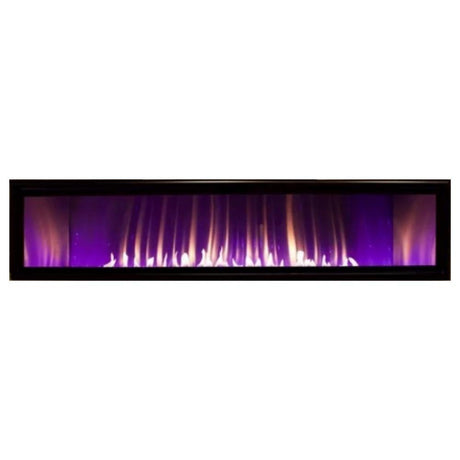
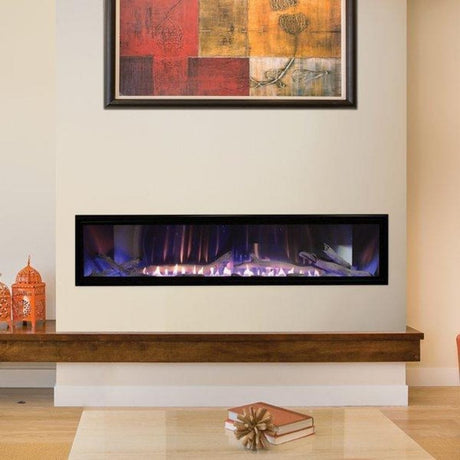
SaleEmpire Boulevard 60-Inch Linear Vent-Free Gas Fireplace
Sale price $5,299.00 Regular price $6,888.70Unit price -
 Easy InstallationSale
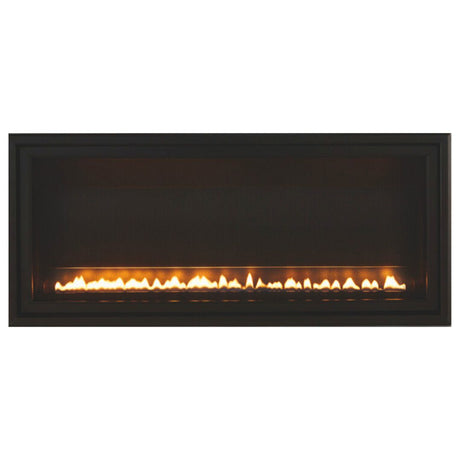
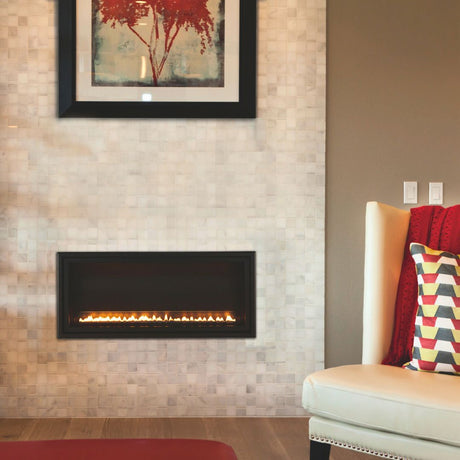
Empire Boulevard SL: 30-Inch Wall Mounted/Recessed Ventless Gas Fireplace
Sale price $2,319.00 Regular price $3,014.70Unit price -
Sale
Firegear Kalea Bay Outdoor Linear Vent Free Gas Fireplace with LED Lights
Sale priceFrom $4,299.00 Regular price $5,588.70Unit price -
 Sale
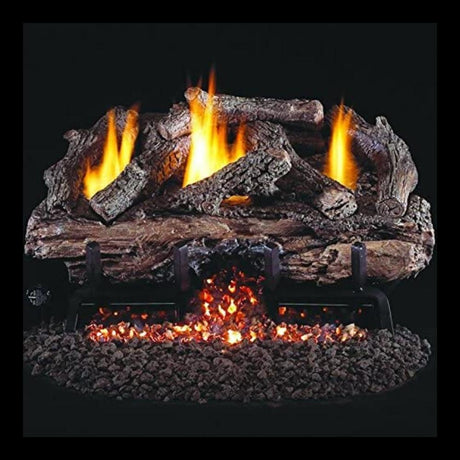
SaleReal Fyre Charred Aged Split Oak Vent-Free Gas Log Set Insert
Sale priceFrom $1,004.00 Regular price $1,305.20Unit price