Weatherproof Outdoor Electric Heaters
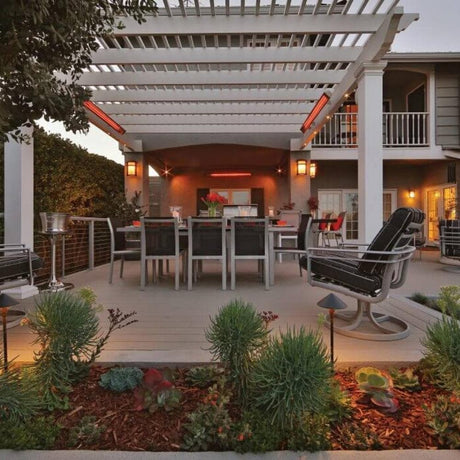
Outdoor electric heaters warm people and surfaces directly with infrared, so they keep working in open air where a fan-forced heater cannot. This collection covers wall, ceiling and flush-mounted models rated for outdoor exposure, in both plug-in and hardwired versions.
Authorized Dealer • Full Warranties • Free US Shipping




-
Get Expert Help
Need help choosing the right model?
Get expert guidance on fuel type, sizing, and installation.
 Sale
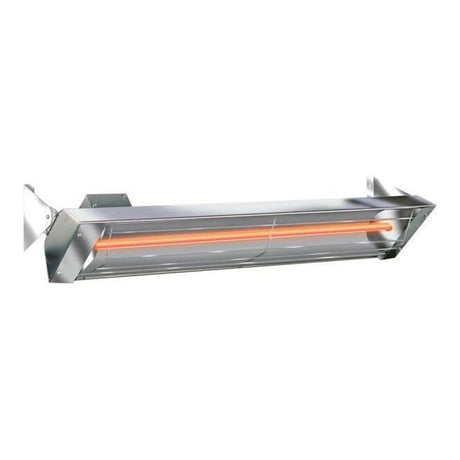
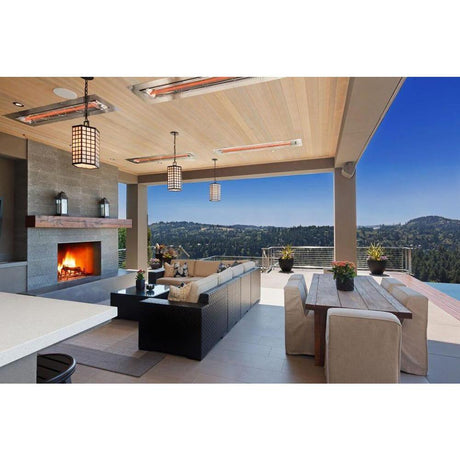
SaleInfratech W Series 33-Inch Single Element 1500W 120V Flush Mounted Infrared Electric Heater
9 colors available
Sale priceFrom $606.00 Regular price $788.00Unit price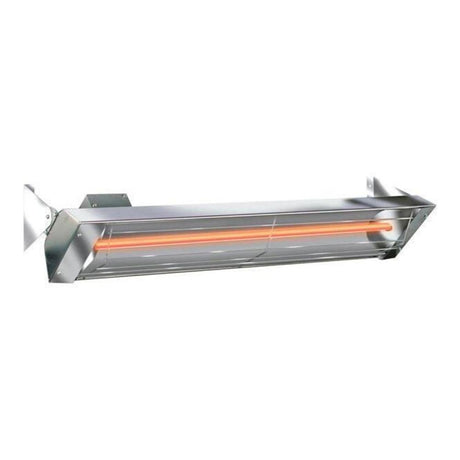
 Sale
SaleInfratech W Series 39-Inch Single Element 2000W Flush Mounted Infrared Electric Heater
9 colors available
Sale priceFrom $673.00 Regular price $875.00Unit price
 Sale
SaleInfratech W Series 61-Inch Single Element 3000W Flush Mounted Infrared Electric Heater
9 colors available
Sale priceFrom $825.00 Regular price $1,073.00Unit price
 Sale
SaleInfratech W Series 33-Inch Single Element 1500W 240V Flush Mounted Infrared Electric Heater
9 colors available
Sale priceFrom $606.00 Regular price $788.00Unit price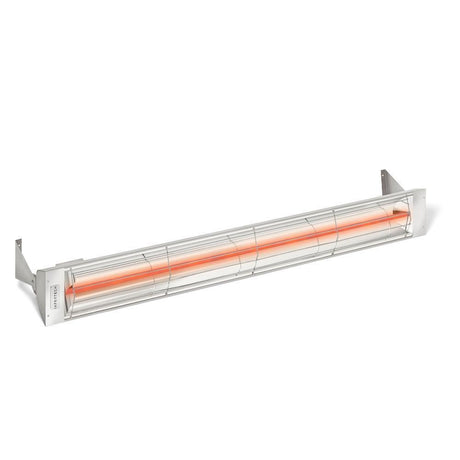
 Sale
SaleInfratech W Series 61-Inch Single Element 4000W Flush Mounted Infrared Electric Heater
9 colors available
Sale priceFrom $843.00 Regular price $1,096.00Unit price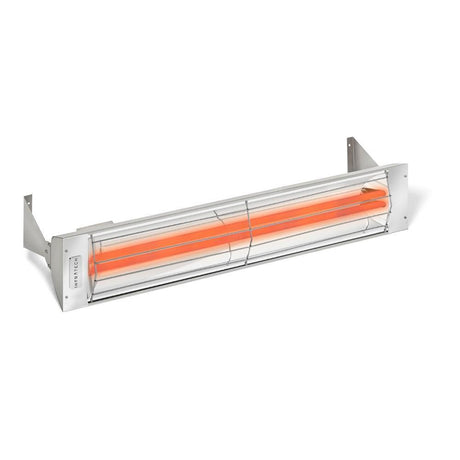
 Sale
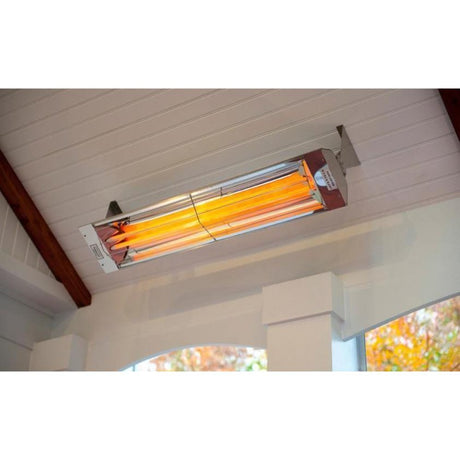
SaleInfratech WD Series 33-Inch Dual Element 3000W Flush Mounted Infrared Electric Heater
9 colors available
Sale priceFrom $803.00 Regular price $1,044.00Unit price
 Sale
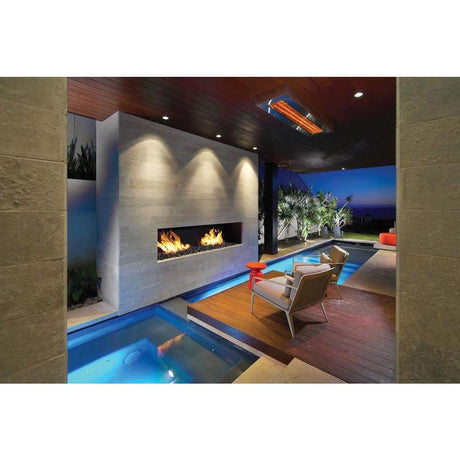
SaleInfratech WD Series 39-Inch Dual Element 4000W Flush Mounted Infrared Electric Heater
9 colors available
Sale priceFrom $820.00 Regular price $1,066.00Unit price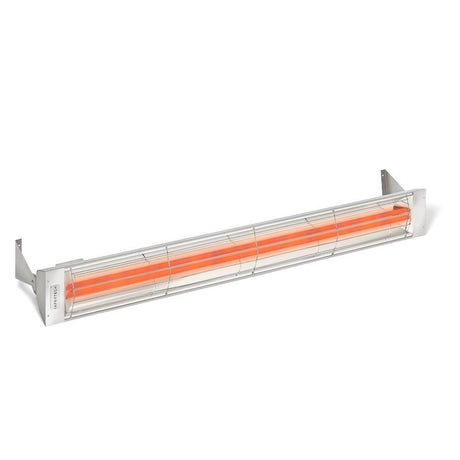
 Sale
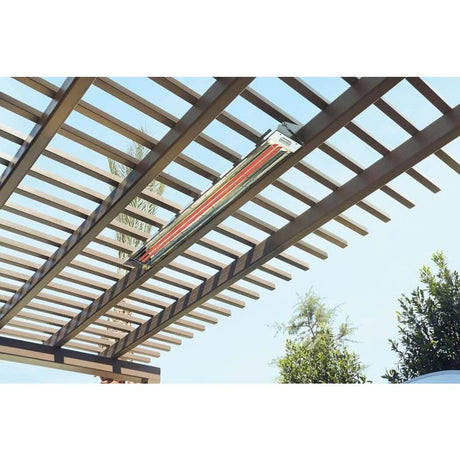
SaleInfratech WD Series 61-Inch Dual Element 6000W Flush Mounted Infrared Electric Heater
9 colors available
Sale priceFrom $966.00 Regular price $1,256.00Unit price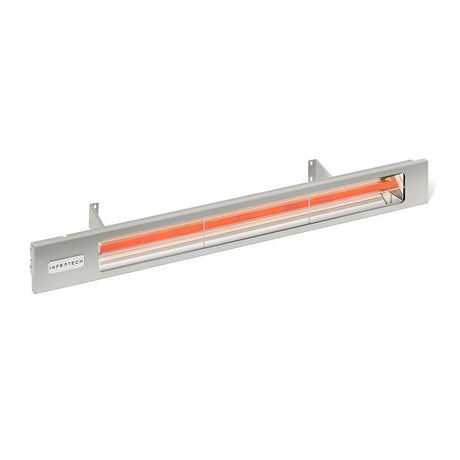
 Sale
SaleInfratech SL Series 42-Inch Single Element 2400W Infrared Electric Heater
2 colors available
Sale price $954.00 Regular price $1,240.00Unit price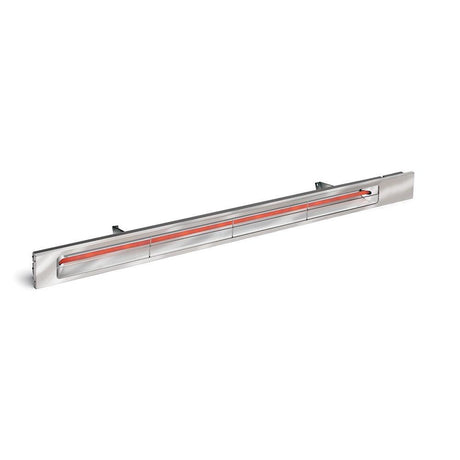
 Sale
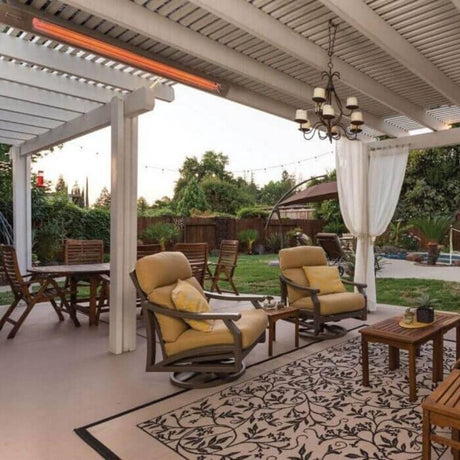
SaleInfratech SL Series 63" Single Element 3000W Infrared Electric Heater
2 colors available
Sale price $1,090.00 Regular price $1,417.00Unit price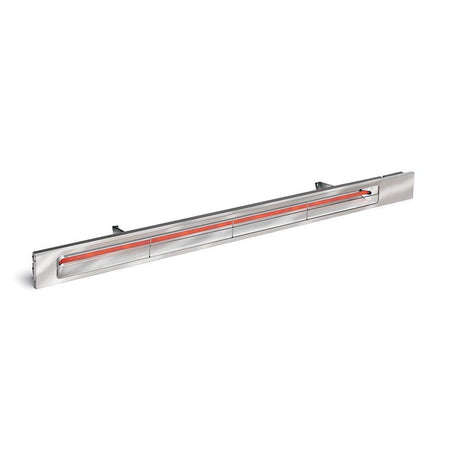
 Sale
SaleInfratech SL Series 63-Inch Single Element 4000W Infrared Electric Heater
2 colors available
Sale price $1,109.00 Regular price $1,442.00Unit price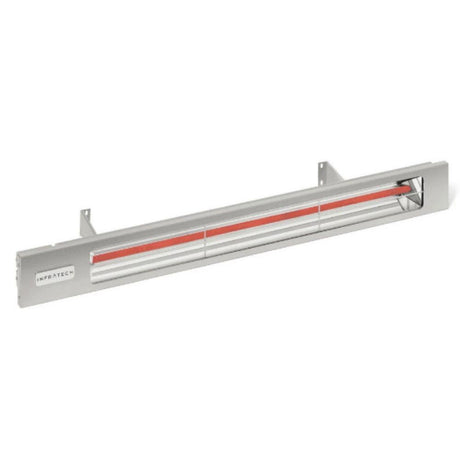
 Sale
SaleInfratech SL Series 29-Inch Single Element 1600W 120V Infrared Electric Heater
2 colors available
Sale price $740.00 Regular price $962.00Unit price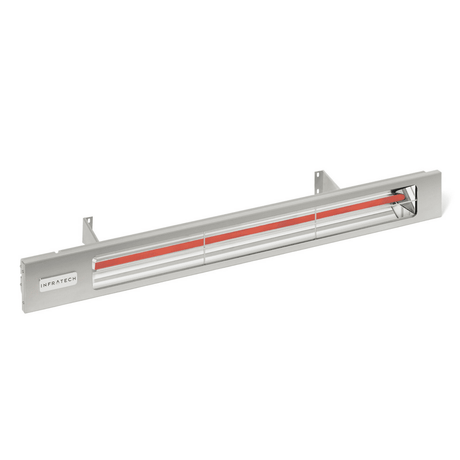
 Sale
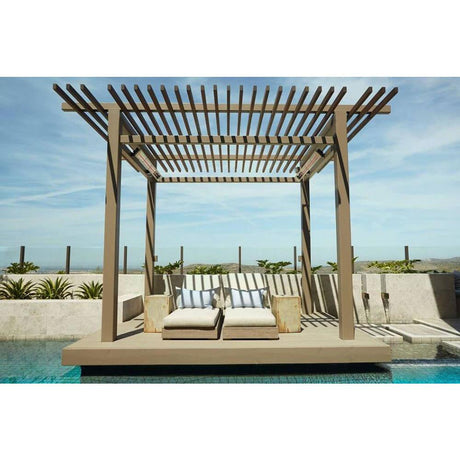
SaleInfratech SL Series 29-Inch Single Element 1600W 240V Infrared Electric Heater
2 colors available
Sale price $740.00 Regular price $962.00Unit price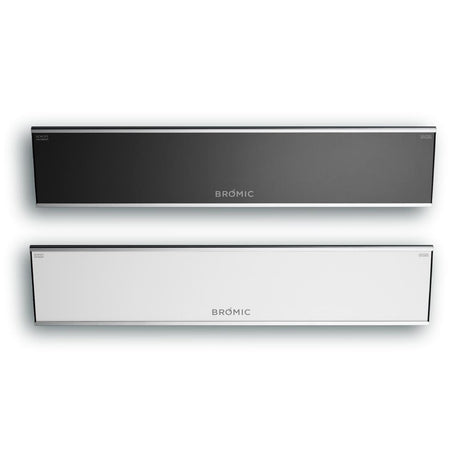
 Sale
SaleBromic Platinum 4500W 53-Inch Wall/Ceiling Patio Heater
2 colors available
Sale priceFrom $2,761.00 Regular price $3,589.30Unit price
 Sale
SaleBromic Tungsten 44-Inch 2000W Single Element Patio Heater
Sale price $798.00 Regular price $1,037.40Unit price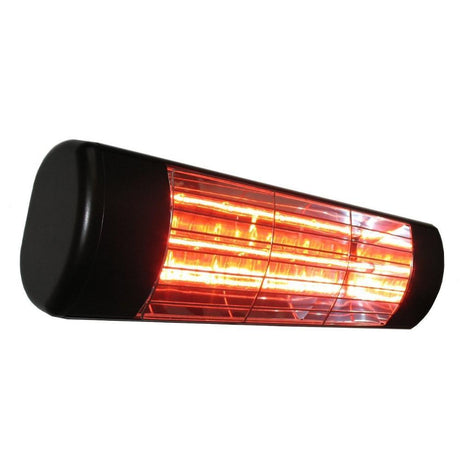

Victory 19-Inch All Weather Infrared Electric Heater - 1500W, 120V, Gold Lamp, 3 Colors
3 colors available
Regular price $195.00Unit price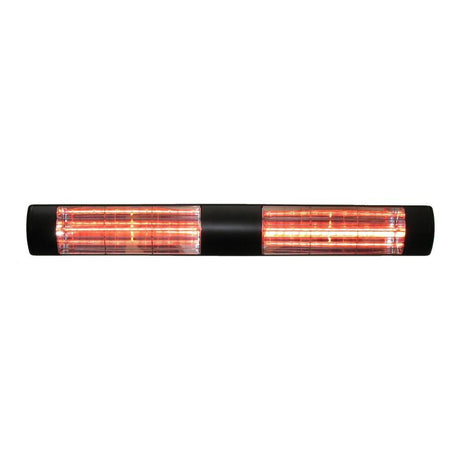
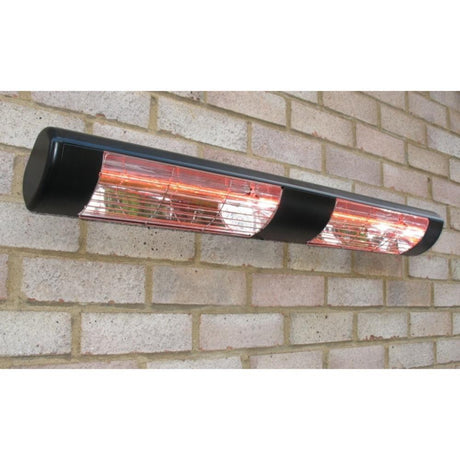
Victory 38-Inch All Weather Electric Infrared Heater - 3000W, 240V, Black
Regular price $285.00Unit price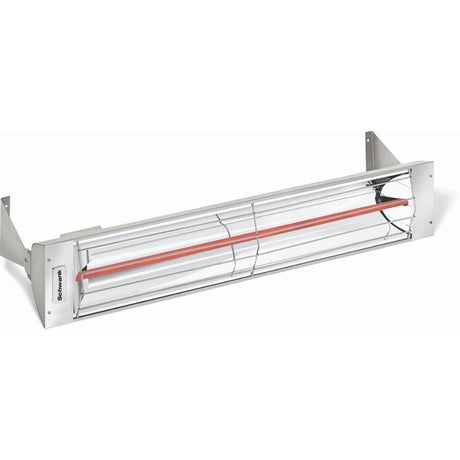

ElectricSchwank 33" Single Element 1000W 120V Infrared Electric Heater (ES-1033)
Regular price $715.00Unit price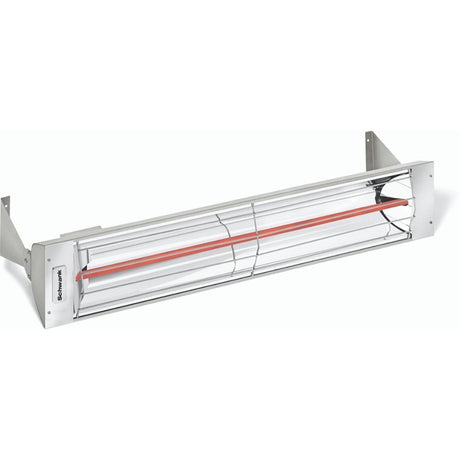

electricSchwank 19-Inch 750W Wall/Ceiling Electric Patio Heater
Regular price $699.00Unit price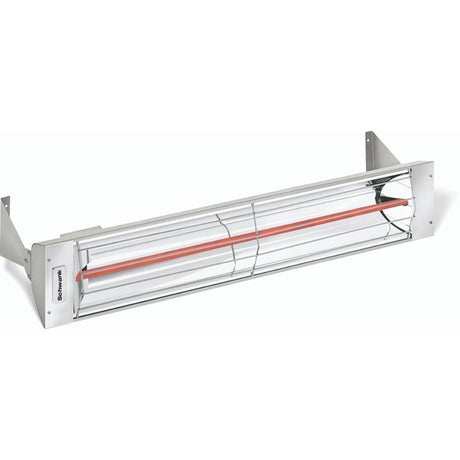
 Sale
SaleElectricSchwank 33" Single Element 1500W Infrared Electric Heater (ES-1533)
Sale priceFrom $558.00 Regular price $744.00Unit price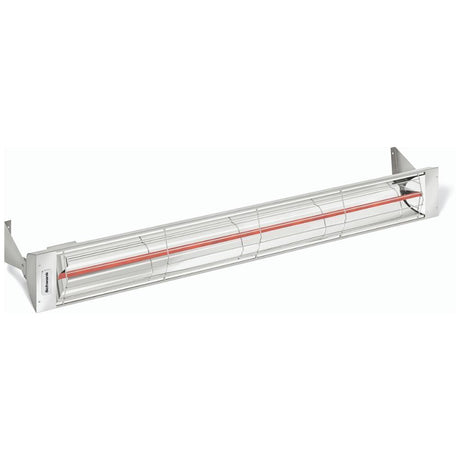
 Sale
SaleElectricSchwank 61-Inch 4000W Wall/Ceiling Electric Patio Heater
Sale price $1,125.18 Regular price $1,462.73Unit price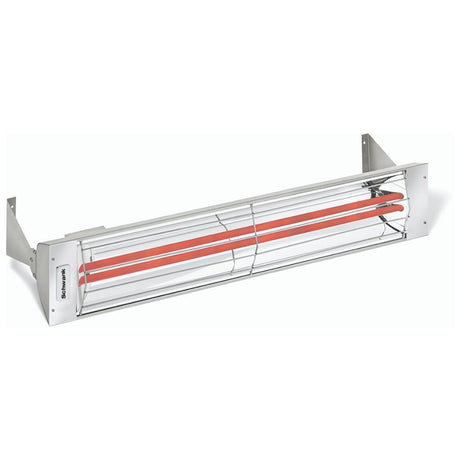
 Sale
SaleElectricSchwank 39-Inch Dual Element 5000W Infrared Electric Patio Heater
Sale price $796.00 Regular price $1,034.80Unit price


Frequently Asked Questions about Weatherproof Outdoor Electric Heaters
Can an outdoor electric heater be left out in the rain?
Can an outdoor electric heater be left out in the rain?
How much area does one outdoor electric heater cover?
How much area does one outdoor electric heater cover?
Do outdoor electric heaters need a dedicated circuit?
Do outdoor electric heaters need a dedicated circuit?
Do electric patio heaters still work in wind?
Do electric patio heaters still work in wind?
Where should an outdoor electric heater be mounted?
Where should an outdoor electric heater be mounted?
Are outdoor electric heaters expensive to run?
Are outdoor electric heaters expensive to run?
-
Victory 38-Inch All Weather Electric Infrared Heater - 3000W, 240V, Black
Regular price $285.00Unit price -
Sale
Bromic Tungsten 44-Inch 2000W Single Element Patio Heater
Sale price $798.00 Regular price $1,037.40Unit price -
Sale
Bromic Platinum 4500W 53-Inch Wall/Ceiling Patio Heater
2 colors available
Sale priceFrom $2,761.00 Regular price $3,589.30Unit price -
Sale
Infratech WD Series 61-Inch Dual Element 6000W Flush Mounted Infrared Electric Heater
9 colors available
Sale priceFrom $966.00 Regular price $1,256.00Unit price -
Victory 19-Inch All Weather Infrared Electric Heater - 1500W, 120V, Gold Lamp, 3 Colors
3 colors available
Regular price $195.00Unit price -
Sale
Infratech WD Series 39-Inch Dual Element 4000W Flush Mounted Infrared Electric Heater
9 colors available
Sale priceFrom $820.00 Regular price $1,066.00Unit price -

 Sale
SaleInfratech CD Series 39-Inch 4000W Dual Element Infrared Electric Heater
9 colors available
Sale priceFrom $856.00 Regular price $1,113.00Unit price -
Sale
Infratech SL Series 63-Inch Single Element 4000W Infrared Electric Heater
2 colors available
Sale price $1,109.00 Regular price $1,442.00Unit price -
 Sale
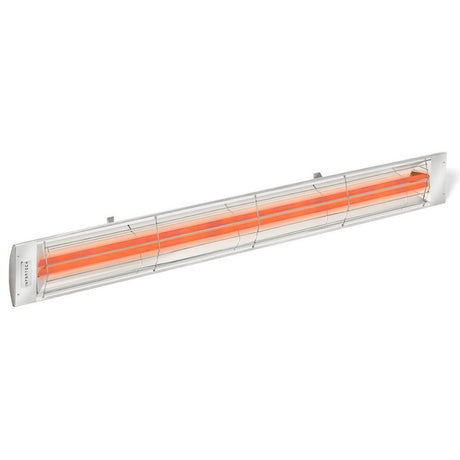
SaleInfratech CD Series 61-Inch 6000W Dual Element Infrared Electric Heater
9 colors available
Sale priceFrom $1,004.00 Regular price $1,305.00Unit price -
 Sold out
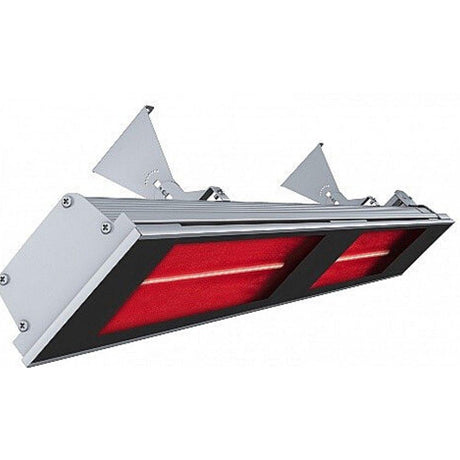
Dimplex DIR Series 51-Inch 3000W 240V Infrared Electric Heater (DIR30A10GR)
Regular price $1,339.99Unit price -
Sale
Infratech WD Series 33-Inch Dual Element 3000W Flush Mounted Infrared Electric Heater
9 colors available
Sale priceFrom $803.00 Regular price $1,044.00Unit price -
Sale
Infratech W Series 61-Inch Single Element 4000W Flush Mounted Infrared Electric Heater
9 colors available
Sale priceFrom $843.00 Regular price $1,096.00Unit price -
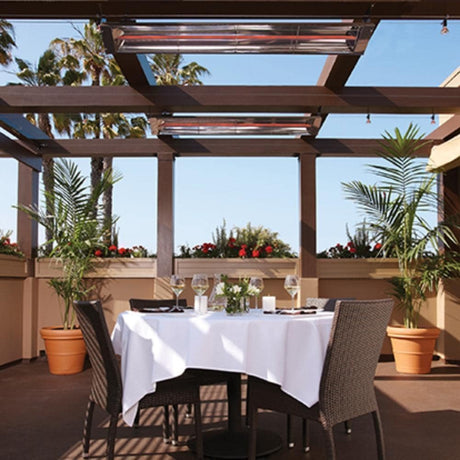 Sale
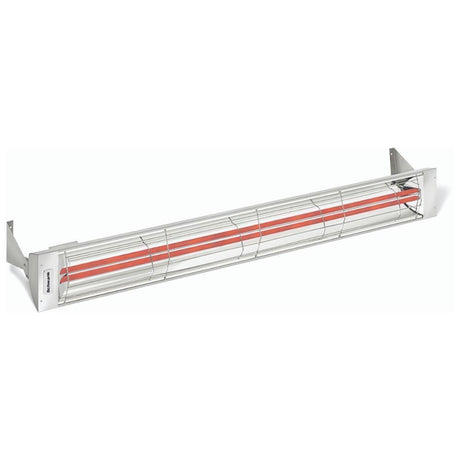
SaleElectricSchwank 61" Dual Element 6000W Infrared Electric Heater (ES-6061)
Sale price $1,347.02 Regular price $1,751.13Unit price -
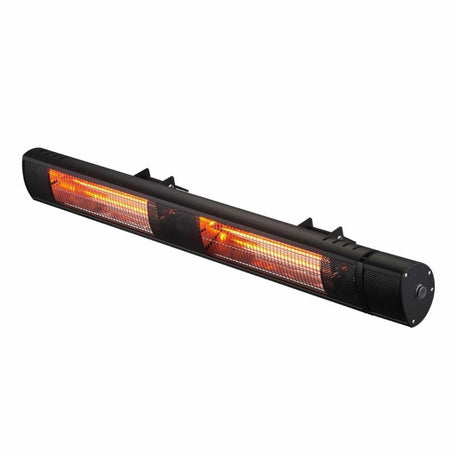

RADtec Genesis Series 38-Inch 3000W 220V Infrared Electric Heater (G30-IR-GEN-SRS)
Regular price $455.00Unit price -
Sale
Infratech W Series 61-Inch Single Element 3000W Flush Mounted Infrared Electric Heater
9 colors available
Sale priceFrom $825.00 Regular price $1,073.00Unit price -
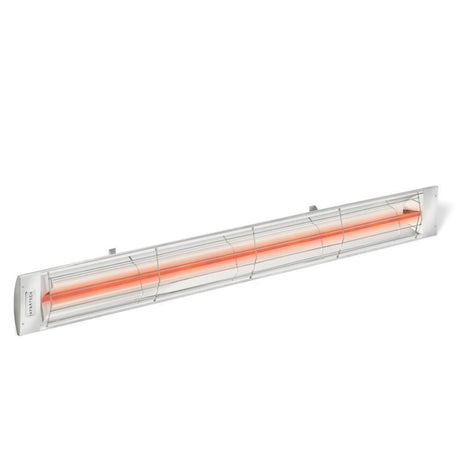
 Sale
SaleInfratech C Series 61-Inch 3000W Single Element Infrared Electric Heater
9 colors available
Sale priceFrom $862.00 Regular price $1,121.00Unit price -
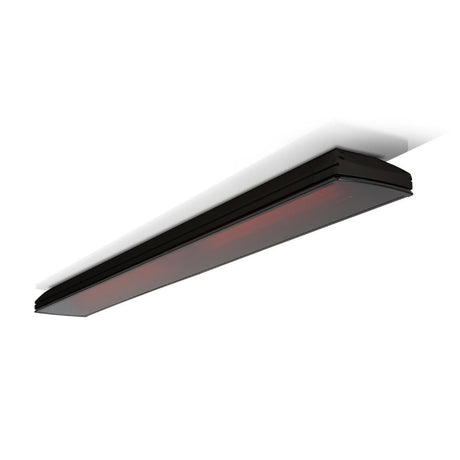
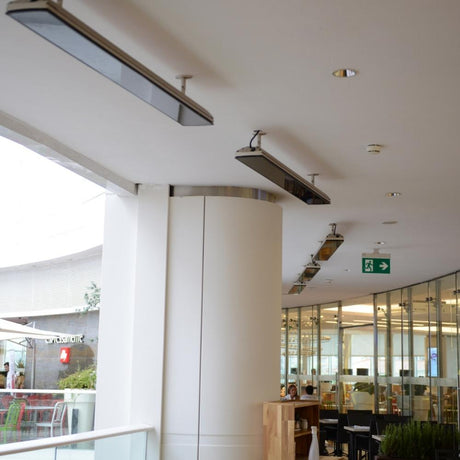
Heatscope Vision 65-Inch Dual Element 3200W 240V Infrared Electric Heater
2 colors available
Regular priceFrom $2,995.00Unit price -
Sale
Infratech W Series 33-Inch Single Element 1500W 120V Flush Mounted Infrared Electric Heater
9 colors available
Sale priceFrom $606.00 Regular price $788.00Unit price -

 Sale
SaleInfratech W Series 33-Inch Single Element 1500W 208V Flush Mounted Infrared Electric Heater
9 colors available
Sale priceFrom $606.00 Regular price $788.00Unit price -
Sale
Infratech SL Series 29-Inch Single Element 1600W 120V Infrared Electric Heater
2 colors available
Sale price $740.00 Regular price $962.00Unit price -
Sale
Infratech SL Series 42-Inch Single Element 2400W Infrared Electric Heater
2 colors available
Sale price $954.00 Regular price $1,240.00Unit price -
Sale
Infratech SL Series 63" Single Element 3000W Infrared Electric Heater
2 colors available
Sale price $1,090.00 Regular price $1,417.00Unit price -
Sale
ElectricSchwank 39-Inch Dual Element 5000W Infrared Electric Patio Heater
Sale price $796.00 Regular price $1,034.80Unit price -
 Sale
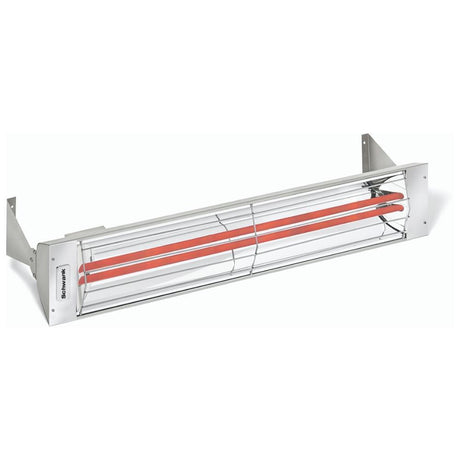
SaleElectricSchwank 33" Dual Element 3000W Infrared Electric Heater (ES-3033)
Sale price $1,027.42 Regular price $1,335.65Unit price