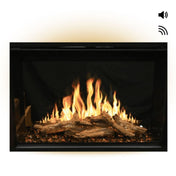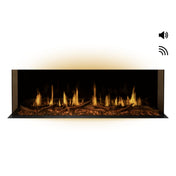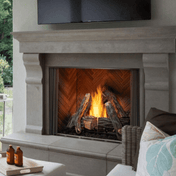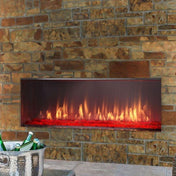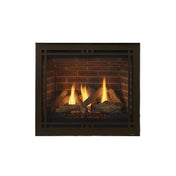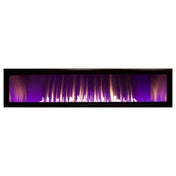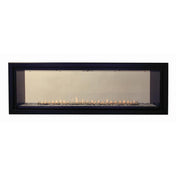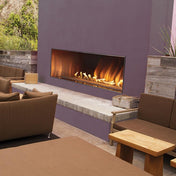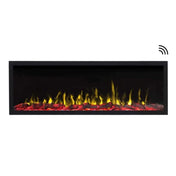
Let's answer some of the most popular questions about ventless fireplaces. Keep in mind that ventless or vent-free fireplaces are not only the gas ones. There is a range of indoor ventless options, including electric fireplaces, ethanol and gel fireplaces, ventless gas fireplaces, and water vapor fireplaces.
New to Ventless Gas?
Read Buying GuideSafety First
Maintenance & CodesShop the Collection
Browse All VentlessAre indoor ventless gas fireplaces safe?
Safety is our top priority. Modern ventless gas fireplaces are engineered with a triple-redundancy safety system, including an Oxygen Depletion Sensor (ODS) that automatically shuts the unit off if oxygen levels drop below 18%. Having served over 19,000 customers since 2012, we only carry brands that meet or exceed ANSI Z21.11.2 national safety standards for vent-free operation.
Ventless Gas Fireplaces vs Other Types of Ventless Fireplaces
| Category | Ventless Gas | Electric | Water Vapor | Ethanol |
|---|---|---|---|---|
| Flame Type | Real Gas Flame | Simulated (LED) | Simulated (Mist) | Real Bio-Ethanol |
| Heat Output | High (Up to 40k BTU) | Moderate (~5k BTU) | None / Ambient | Moderate (~10k BTU) |
| Venting | None Required | None Required | None Required | None Required |
| Safety | Oxygen Sensor (ODS) | Cool-to-touch glass | 100% Safe Water Mist | Spill-proof Burners |
| Best For | Heating large rooms | Ease & Safety | Kids, Pets & Design | Real fire, no gas lines |
| Selection | Shop Gas | Shop Electric | Shop Mist | Shop Ethanol |
Which ventless fireplace is right for your project? See our Chimney-Free Guide
Overall, these ventless fireplaces offer safer alternatives to traditional wood or gas fireplaces, with reduced risks of fire hazards, toxic emissions, and indoor air pollution.
How does a ventless gas fireplace work?
Ventless gas fireplaces use a high-efficiency burner that combusts gas so completely it doesn't require a chimney or flue. They draw room air for combustion and exhaust a tiny amount of water vapor and carbon dioxide back into the room, similar to a gas kitchen stove.
Featured Ventless Gas Models
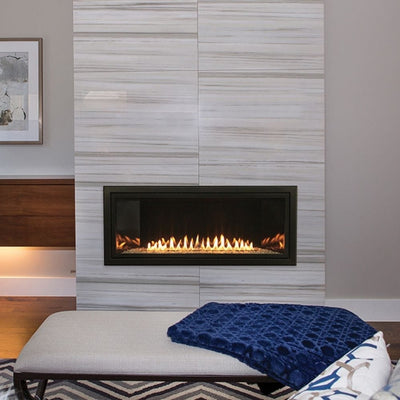
Empire Boulevard Linear Vent-Free Gas Fireplace
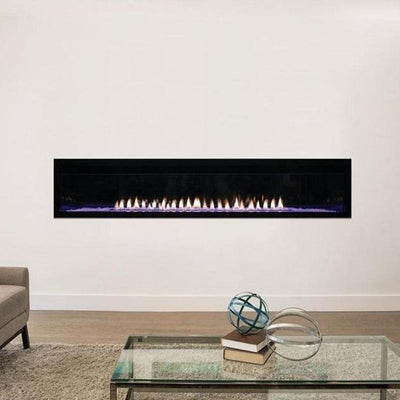
Empire Boulevard 72" Linear Vent-Free Gas Fireplace
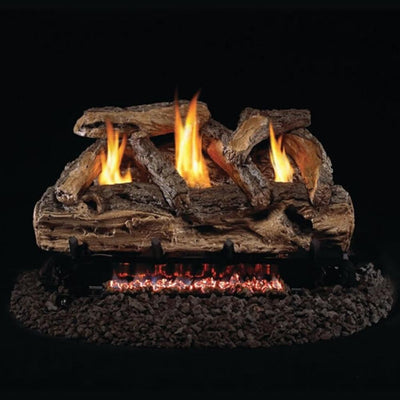
Real Fyre Split Oak Vent-Free Gas Log Set
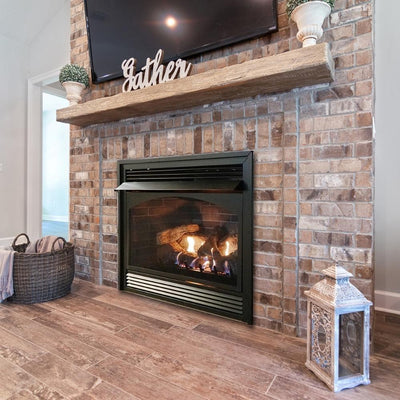
Empire Vail 36" Premium Vent-Free Gas Fireplace
Do ventless gas fireplaces need a chimney?
No, ventless gas fireplaces do not require a chimney, flue, or any external venting. They are designed to burn fuel at nearly 100% efficiency, meaning all the heat stays in your home rather than escaping through a chimney. This makes them a perfect solution for homes where installing a traditional vent is impossible or too expensive.
Can I put a ventless gas fireplace in an existing fireplace?
Yes, you can easily convert an existing wood-burning fireplace using a ventless gas insert or a ventless gas log set. Because these units do not require venting, you can simply close your chimney damper to keep 100% of the heat in your room. This is one of the most popular ways to improve heating efficiency without the cost of a full chimney renovation.
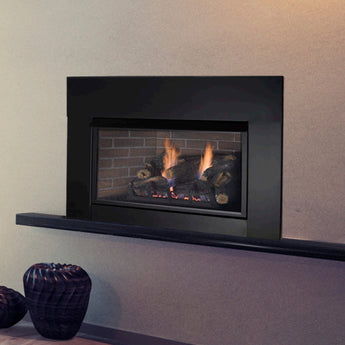
Monessen Solstice Vent-Free Gas Fireplace Insert
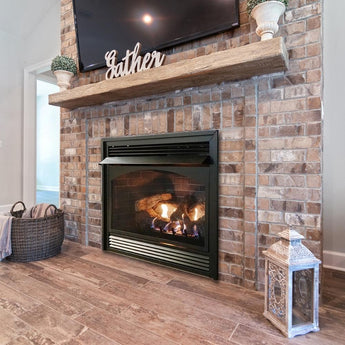
Empire Innsbrook Small Vent-Free Fireplace Insert
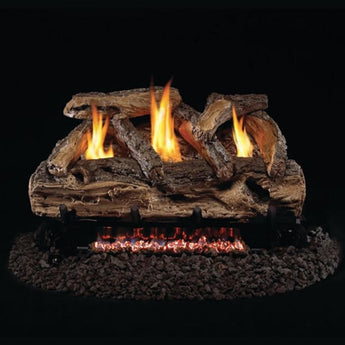
Real Fyre Split Oak Vent-Free Gas Log Set
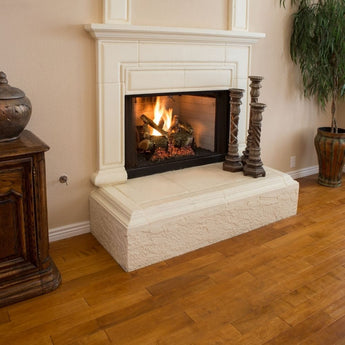
Grand Canyon Weathered Oak Vent-Free Gas Log Set
What are the disadvantages of a ventless fireplace?
Electric, water vapor, gas and ethanol fireplaces offer unique advantages but also come with some disadvantages.
- Electric fireplaces might not provide the same level of warmth as traditional ones, as they're often more suited for ambiance than as primary heat sources.
- Water vapor fireplaces, while incredibly safe and providing a realistic flame illusion, have the same heating limitation as electric fireplaces and some models do not emit any heat at all, which could be a downside for those seeking warmth.
- Ethanol fireplaces, although offering real flames and some heat, require regular refueling. Additionally, they need proper ventilation to avoid indoor air quality issues, and their fuel cost can be slightly higher compared to other heating options.
- Ventless gas fireplaces while offering convenience and efficiency, can introduce moisture into your living space, which might contribute to mold growth if not properly managed. Additionally, sensitive individuals might experience discomfort from the trace combustion byproducts released into the room.
Pro-Tip: Safety First
Proper maintenance is the #1 way to ensure ventless safety. We've summarized the national codes, oxygen depletion sensor (ODS) requirements, and yearly cleaning schedules for you in one easy guide.
Can you put a ventless gas fireplace in a house?
Ventless fireplaces can be installed in virtually any room, eliminating the need for a chimney or external venting. However, for some types of ventless fireplaces lke ventless gas or ethanol, it's essential to ensure the room is well-ventilated to avoid potential air quality issues.
Where do the fumes go on a ventless fireplace?
While vented fireplaces expel exhaust outside, ventless units are designed to operate at high efficiency, with minimal byproducts that are safe to release indoors under correct usage conditions. Some ventless fireplaces produce no fumes at all like in the case of electric or water vapor fireplaces.
Which is safer vented or ventless fireplace?
Strictly speaking, Direct Vent gas fireplaces are the safest and most popular option today. They use a completely sealed combustion system that pulls fresh air from outside and expels 100% of exhaust back outdoors, ensuring your indoor air quality remains pristine. Because they don't require a traditional masonry chimney—just a small vent through an exterior wall—they offer incredible installation flexibility.
However, for rooms where running a vent pipe isn't feasible, modern ventless technology offers a highly safe, ODS-certified alternative with 99% heat efficiency. As an authorized dealer, we help you weigh these options based on your room size and budget. For a full breakdown of safety, costs, and installation, see our Ultimate Gas Fireplace Guide.
What states ban ventless fireplaces?
There are currently no restrictions on electric and ethanol ventless fireplaces, however there are some states and municipalities that restrict or ban ventless gas fireplaces due to concerns about indoor air quality.
Currently, ventless gas fireplaces are banned in California. New York along with Alaska, Montana, Minnesota, and Massachusetts have lifted their statewide bans on ventless fireplaces (link to source). However it's crucial to check local codes before installing a ventless gas fireplace unit.
Living in CA, MA, or NYC?
Ventless gas fireplaces face a total ban in California and heavy local restrictions or caps in Massachusetts and New York City. If local codes prevent a gas installation, these premium alternatives offer the same "no-chimney" installation legally:
Does a ventless fireplace produce carbon monoxide?
- - A ventless electric fireplace does not produce carbon monoxide because it does not involve any combustion.
- - Similarly, water vapor fireplaces do not emit carbon monoxide as they merely use water mist and lights to simulate the effect of a flame.
- However, ethanol fireplaces, despite being ventless, do involve real combustion and can produce a tiny amount of carbon monoxide along with other combustion by-products. Therefore, it's important to ensure proper room ventilation when using an ethanol fireplace to maintain indoor air quality.
- Ventless gas fireplaces do produce minimal amounts of carbon monoxide and other byproducts, proper installation, room size, and ventilation can mitigate potential risks, making them a practical option for many homeowners.
Do ventless fireplaces heat a room?
- Ventless gas fireplaces are known for their ability to efficiently heat a room, offering both warmth and ambiance. They produce the most heat compare to all other types of ventless fireplaces.
- Ventless electric, water vapor and ethanol fireplaces can indeed heat a room. Electric fireplaces and water vapor fireplaces with heaters convert electrical energy into heat, offering a reliable source of supplemental warmth. Ethanol fireplaces burn bioethanol fuel to produce heat, making them effective for raising the temperature in a space.
While ventless fireplaces serve as excellent supplemental heat sources, they should not be relied upon as the sole heating method in extreme cold.
Are ventless fireplaces worth it?
Many homeowners find ventless fireplaces to be a worthwhile investment, enjoying the comfort and aesthetic appeal they bring to their indoor spaces.
Are ventless fireplaces healthy?
- Electric and water vapor fireplaces are the healthiest options as they emit no harmful by-products.
- Ethanol fireplaces are a cleaner option but require good ventilation.
- Ventless gas fireplaces pose more significant indoor air quality concerns and should be used with caution, ensuring the space is well-ventilated and that the fireplace is properly maintained.