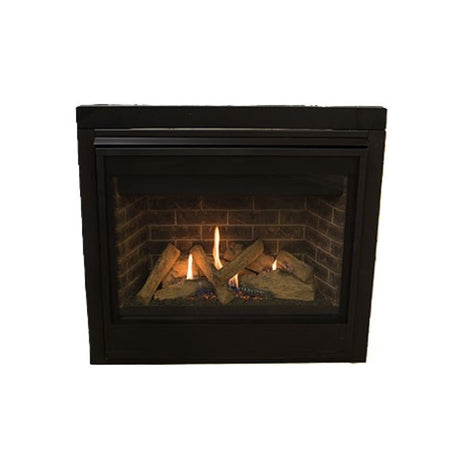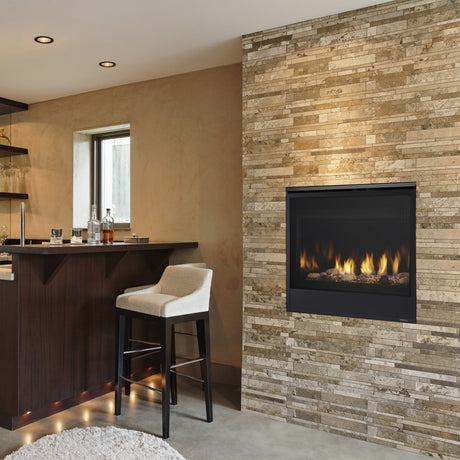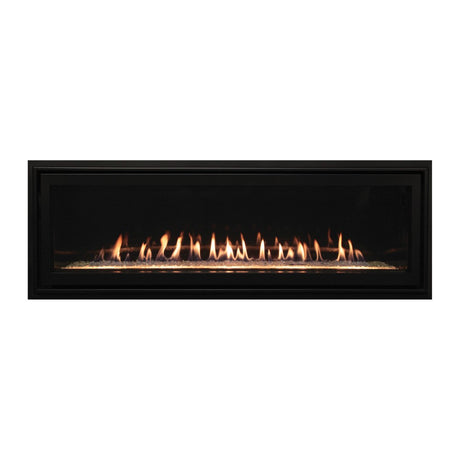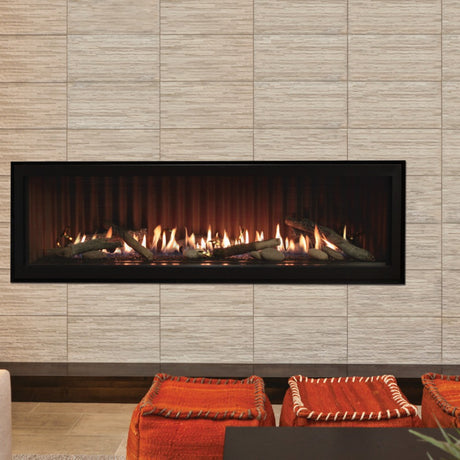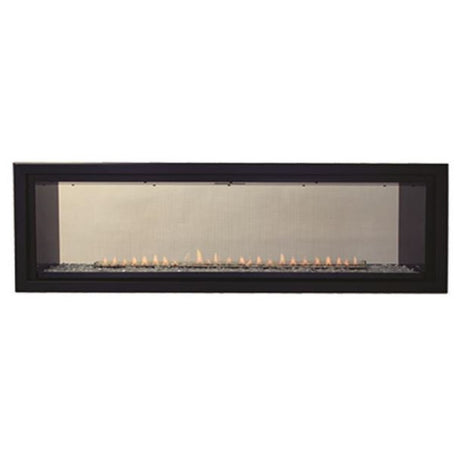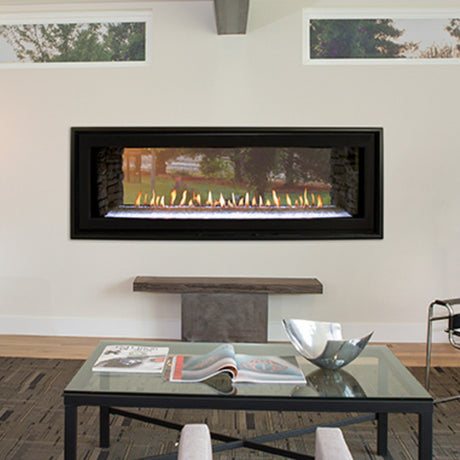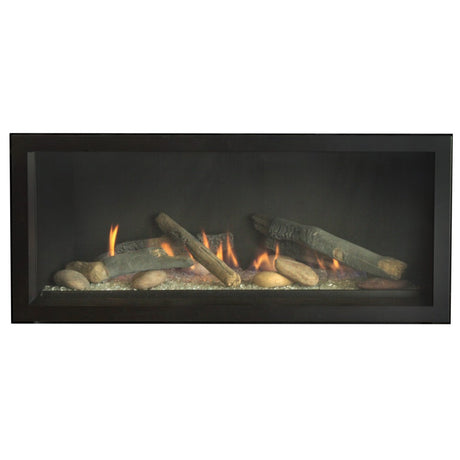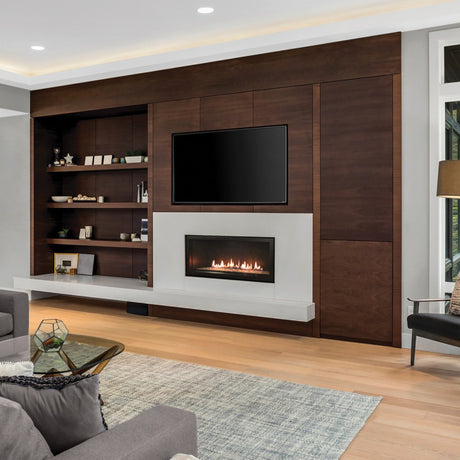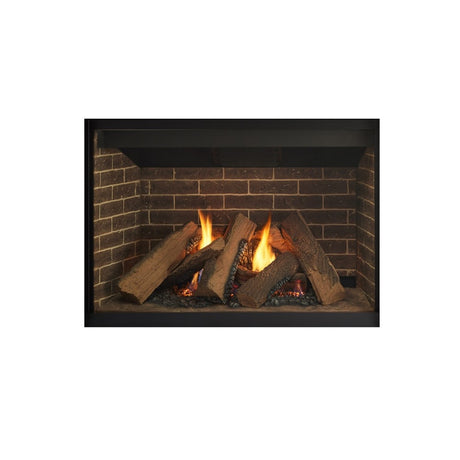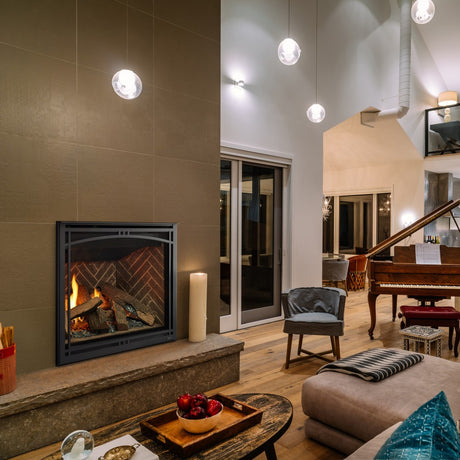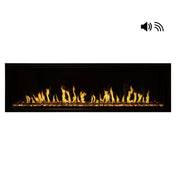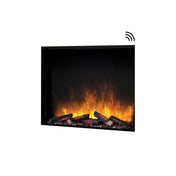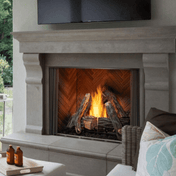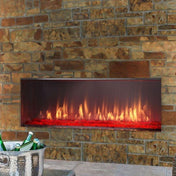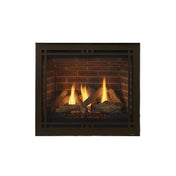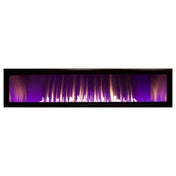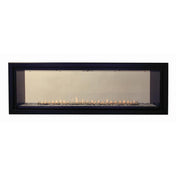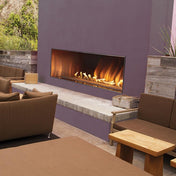

A gas fireplace is a factory‑built appliance that burns natural gas or propane to create visible flames and heat, using either an open design (common with many B‑vent and vent‑free models) or a glass-fronted firebox (common with direct‑vent units).
Gas fireplaces have become one of the hottest hearth products on the market for both new and existing homes. With hundreds of designs, styles, and sizes, there's a gas fireplace for almost any home in North America. If you are ready to shop our full inventory, click here to browse our Gas Fireplaces Collection. These units offer numerous benefits, including incredible installation flexibility and the convenience of an instantaneous fire. The best news is how closely the fire looks and performs like real wood.
Three Crucial Facts Before You Shop
- CHECK LOCAL CODES FIRST: Vent-free gas fireplaces have greater installation flexibility but require that you double-check with local code bodies to find out what is allowable.
- TO HEAT OR NOT TO HEAT: Some gas fireplaces are designed exclusively for aesthetic and decorative use, while others are built to heat a room. Some are even "heater-rated" and provide efficiency and heat output similar to a central furnace.
- PROFESSIONAL INSTALLATION IS REQUIRED: To ensure safe and reliable installation, the HPBA recommends working with a specialty retailer and a certified professional installer.
Types of Gas Fireplaces: Understanding Venting & Heating
Choosing the right type of gas fireplace is dictated by the regional climate, the age and construction of your home, and the amount of heat required. There are three main types, categorized by their venting.
| Type | Venting Path | Key Feature |
|
Natural Vent (B-Vent)
|
Vents through the roof using B-vent gas pipe. | Operates similarly to traditional wood-burning fireplaces; requires vertical venting. |
| Direct Vent | Vents through the wall behind the fireplace. | Sealed combustion system; no chimney, vents vertically or horizontally out of an extirior wall or roof. |
| Vent-Free (Ventless) | Requires no venting whatsoever. |
No chimney or vent required. Maximum installation flexibility, but requires following specific sizing guidelines and checking local codes. |
Direct Vent: The Sealed Combustion Advantage
Direct vent units operate with a sealed combustion system. This means the firebox is completely closed off from the air inside your home by a glass face. The venting system uses a coaxial (pipe-within-a-pipe) design:
- Inner Pipe: Vents all exhaust gases and combustion byproducts (like carbon monoxide) directly outside.
- Outer Pipe: Draws 100% of the fresh air needed for combustion from outdoors.
This design ensures that the fireplace never draws oxygen from your room and that no combustion gases can enter your home, making it one of the safest and most efficient options available. Visit our detailed guide on direct vent technology for further information.

Vent-Free (Ventless) Fireplaces: Installation Flexibility
Vent-Free fireplaces, also known as Ventless or Unvented, are the ultimate solution for installation flexibility because they require zero venting components. This makes them ideal for well-ventilated apartments, basements, home offices, and areas where venting is impractical or impossible.
How it Works: These units draw air from the room for combustion and vent the resulting heat and combustion byproducts back into the room.
Safety Technology: Vent-Free systems are engineered to burn gas cleanly and efficiently. They are equipped with an Oxygen Depletion Sensor (ODS) that automatically shuts off the unit if the oxygen level in the room drops below a safe threshold.
Considerations:
- Local Codes: Vent-Free fireplaces are highly efficient but may be prohibited by code in certain jurisdictions (especially in California and Canada). Always verify local regulations before purchasing.
- Aesthetics: Because the combustion gases remain in the room, some homeowners report a slight odor or moisture buildup. They are best used intermittently for supplemental heat, not as a primary heat source.
Ideal for: Homeowners seeking the easiest installation, lowest upfront cost, and greatest placement versatility, especially in homes that truly lack a chimney or simple exterior wall access.
B-Vent (Natural Vent) Fireplaces: The Traditional Option
B-Vent (or Natural Vent) fireplaces operate much like a traditional wood-burning fireplace, in that they draw air for combustion directly from the room they are installed in.
- How it Works: Exhaust gases travel up a single-wall, metal vent pipe and rely on natural buoyancy (the chimney effect) to safely exit the home.
- Safety & Efficiency Note: Because B-vent systems are open to the room, they are not as efficient as sealed Direct Vent units and are restricted to using a dedicated vertical vent pipe.
Key Takeaway for Modern Installation: While common in older construction, B-Vent systems are less popular today due to their lower heat output and the requirement for a traditional, vertical chimney chase. They are not considered a "chimney-free" option and are not suitable for many modern installations.
Installation Flexibility and Location
Gas fireplaces have incredible installation flexibility. This is due to zero-clearance construction, where little space is needed between the unit and combustible materials like wood or wallboard.
A gas fireplace can be installed almost anywhere in the home as long as natural gas or propane is available. Installation can occur along an outside wall or even in the middle of a room.
- Vent-free units have the greatest flexibility and can be installed against or recessed into many interior or exterior walls.
- Direct vent fireplaces offer strong installation flexibility since they don’t require a chimney and can vent either vertically or horizontally.
Gas Fireplaces: Total Cost of Ownership (TCO) & Budgeting
The Total Cost of Ownership (TCO) for a gas fireplace involves more than just the retail price. To create an accurate budget, you must factor in the following components and potential price ranges:
1. Gas Fireplace Unit
- $2,000–$7,000+ (Linear and premium brands can exceed this range.)
2. Chimney and/or Venting Components
- $500–$3,500 Depends on vent type (direct vent vs. B-vent), run length, and roof penetration. For a standard direct vent through a wall, the cost is typically lower ($500–$1,000). Higher range of $3,500 is for complex vertical B-vent runs, roof penetrations, or conversion liners, which is excellent coverage.
3. Installation & Delivery
- Delivery: Free with Modern Blaze
- Installation: $1,500–$5,000+ Ranges widely based on framing, venting complexity, local labor rates, and finish work.
4. Gas Line Extension (Inside the Home)
- $300–$2,000 A short, accessible run can be near the low end. Trenching, long runs, or running the line through difficult construction areas pushes the cost toward $2,000 or more.
5. Annual Fuel Costs
- $50–$600 per year Varies with usage, efficiency, and local prices. Note: Natural gas is typically more affordable and widely used. Propane (LP) is often more expensive, sometimes double the cost of natural gas, and requires on-site tank maintenance.
6. Annual Maintenance
- $150–$350 per year Covers cleaning, inspecting the vent, checking the burner, and verifying safe operation. Most basic inspections/cleanings run $100–$200. $350 factors in regions with higher labor costs (like major metropolitan areas) and bundled service packages that include glass cleaning and component adjustment.
Safety, Maintenance, and Professional Installation
While gas fireplaces are clean-burning and require little maintenance, gas fireplace safety, maintenance, and codes are important issues.
Professional Maintenance
The HPBA recommends that a gas fireplace be professionally serviced at least once a year to ensure top performance and aesthetic appearance. A qualified professional will inspect and test the burner, fan, venting, pilot light, and thermostat, and also clean the glass.
For all vented gas fireplaces, the HPBA recommends that all vents be inspected on an annual basis by a chimney sweep certified by the Chimney Safety Institute of America.
Safety Precaution
The HPBA recommends the installation of a carbon monoxide (CO) detector with all gas hearth products.
Working with Experts
No matter the installation options, it is important to work with a professional to follow the manufacturer's guidelines. A specialty retailer is a trained gas fireplace expert who can arrange for the safe and reliable installation by a certified professional.
Design Styles: From Traditional to Ultra-Modern
There are hundreds of design options from which to choose. Gas fireplaces come in a wide variety of shapes and sizes, with styles ranging from traditional to contemporary to ultra-modern.

- Realism: The look is enhanced by gas logs designed to simulate the appearance of natural firewood.
- Unique Designs: Arched and unique shaped contours are available.
- See-Through: Some models are see-through, allowing the fire to be viewed both in and outside the house.
- Customization: Regardless of the design, adding unique tiles and mantel combinations to the exterior can enhance the final appearance.
The Top-Rated Gas Fireplace Models
Based on our years of experience in the hearth industry, the best gas fireplaces combine high-efficiency performance with ultra-realistic flame technology and robust safety features. We've curated a list of our customer favorites across the most popular categories.
Best Direct Vent Model for Efficiency: Majestic Quartz Direct Vent Gas Fireplace

Best Vent-Free Insert for Existing Fireplaces: Grand Canyon Weathered Oak Vent-Free Indoor Gas Log

Best Modern Linear Gas Fireplace: Direct Vent Empire Boulevard; Ventless Empire Boulevard

Ready to browse? Click here to view our entire collection of Top-Rated Gas Fireplaces engineered for both stunning ambiance and reliable home heating.