
Direct vent gas fireplaces are the safest and most flexible option for modern homeowners who want a realistic flame without relying on a traditional chimney, messy wood, or complicated venting. Thanks to a sealed combustion system that pulls air from outdoors and sends exhaust safely outside, these units deliver real flames with minimal impact on indoor air quality. In this guide, you’ll learn exactly how that sealed system works and what it means for your home across the three things that matter most: safety, installation flexibility, and overall cost.
What is a Direct Vent Gas Fireplace? (Sealed Combustion Explained)
A direct vent gas fireplace is a factory-built fireplace that burns natural gas or propane in a closed firebox and uses a sealed vent system to bring in combustion air from outside and send exhaust back outdoors.
This “sealed combustion system” is the key difference from older, open-hearth designs and from many B-vent or ventless models. It keeps the flame isolated from room air, improves efficiency, and helps protect indoor air quality by making sure all combustion starts and ends outside the living space.
The Sealed Combustion Advantage
With a direct vent fireplace, combustion happens inside a sealed chamber behind glass, and the unit uses a special coaxial vent pipe with two passages: one pulls fresh air in from outdoors, and the other pushes exhaust gases out.
 Because the fireplace does not use room air for combustion, it avoids depressurizing the room and reduces drafts, backdrafting, and indoor pollutants compared with open or naturally vented systems. This sealed approach also allows manufacturers to fine-tune the burner and air mix for consistent flames, better heat output, and more predictable performance in modern, tightly built homes.
Direct Vent Safety: Why the Sealed System is Superior to B-Vent & Wood
Unlike B-Vent (Natural Vent) fireplaces, which pull combustion air from the room and rely on a vertical metal vent to carry exhaust up and out, direct vent units use a sealed coaxial vent that brings in outside air and sends flue gases back outside in one controlled loop. This sealed combustion system reduces drafts, backdrafting, and the risk of combustion gases spilling into the living space, especially in tightly built homes.
Compared with traditional wood fireplaces, which use an open flue that can actually pull warm air out of the house even when the fire is off, direct vent fireplaces are designed to keep conditioned air indoors while still providing real flames. Instead of an open chimney that can leak heat and smoke, you get a closed glass front, balanced venting, and a controlled burn that delivers consistent heat with far fewer indoor air quality concerns.
Direct Vent Installation Flexibility: Horizontal vs. Vertical Venting
The flexibility of the sealed direct vent system is a core feature, liberating you from the limitations of a chimney. This allows for diverse placement options - whether you want a standard wall unit or a modern feature like a 2-sided gas fireplace that opens to two rooms - because the vent pipe can be routed either straight out the wall or up through the roof.
What is Venting Termination? In the context of a Direct Vent fireplace, the term "termination" refers to the specialized cap installed at the very end of the coaxial vent pipe. This cap serves two essential functions:
- Safety: It prevents rain, snow, debris, and pests (birds/insects) from entering the venting system.
- Function: It is designed to allow the inner pipe to safely expel combustion gases while simultaneously allowing the outer pipe to draw in fresh air for the combustion process.
Horizontal vs. Vertical Termination
The difference between the two methods simply defines where the cap is located:
Horizontal Termination
- Definition: The vent pipe runs straight out the back or side of the fireplace, through the wall, and the termination cap is installed on the exterior wall of the home.
- Pros: This is the most common and generally easiest/cheapest installation method, as it requires the shortest pipe run.
Ideal For: Installations on a ground-level exterior wall.

Vertical Termination
- Definition: The vent pipe runs from the fireplace, usually up through the ceiling and attic, and the termination cap is installed on the roof.
- Pros: It provides the most flexible placement options for the fireplace within the room and offers a cleaner aesthetic on the exterior wall.
Ideal For: Installations where the fireplace is centrally located inside the home, or when local codes require venting above the roofline.
Direct Vent Installation Scenarios (New Build vs. Insert Conversion)
- New construction or major remodel. In a new build or full remodel, a direct vent fireplace is usually the easiest to integrate. The framer can build a chase or bump-out to spec, the plumber or gas fitter can route the gas line directly to the unit, and the vent can be planned early to take the shortest, cleanest path - most often straight out an exterior wall. This “blank slate” scenario typically gives you the widest range of models, sizes, and layouts to choose from.

- Converting an existing wood fireplace. If you already have a masonry or factory-built wood fireplace, the usual approach is to use a direct vent gas fireplace insert. The insert is sized to slide into the existing firebox, and a flexible or rigid coaxial liner (or two-pipe system, depending on the manufacturer) is run up the existing chimney chase to a termination cap at the top. This lets you reuse the existing structure while upgrading to a sealed, efficient direct vent system that no longer draws room air or sends most of your heat up the flue.

Crucial Safety Note: Regardless of the installation type, the Hearth, Patio & Barbecue Association (HPBA) strongly recommends that you use a certified professional installer to ensure the installation meets all local and state installation codes and manufacturer guidelines.
Direct Vent Fireplace Cost: Understanding Total Cost of Ownership (TCO)
A direct vent gas fireplace represents a long-term investment in your home’s aesthetic and efficiency. To budget accurately - and avoid unexpected surprises - you must look beyond the unit price and account for all the essential components and specialized trades required to make the system safe, code-compliant, and ready to use. Over time, many homeowners find that the higher up-front cost is offset by efficient zone heating, lower maintenance, and a long service life.
Understanding the True Total Cost of a Direct Vent Fireplace
- Direct Vent Unit Price. This is the base price of the fireplace or insert itself, varying by size, brand, BTU output, and features like electronic ignition and decorative media. Linear and high-design models generally cost more than basic traditional units.

- Coaxial Venting Components. Every system needs a compatible vent kit, which includes coaxial pipe sections, elbows, firestops, and the termination cap. Crucially, this kit is sold separately and must be purchased. The cost depends on the length of the run (horizontal or vertical) and the number of turns required.
- Gas Line Installation. A licensed gas fitter or plumber must run a properly sized gas line from your main supply to the unit's location, install a safety shutoff valve, and pressure-test the system.
- Framing, Chase, and Finish Work. This includes the carpentry to build the supporting structure (chase) and the non-combustible material (tile, stone, etc.) needed to finish the surrounding feature wall. This often represents a significant portion of the total project cost.
- Electrical and Controls. An electrician may be needed to add 120V power for electronic ignition, blowers, and smart controls. Upgrades like wall switches or thermostats will also factor in here.
- Ongoing Maintenance and Operating Costs. While low-maintenance, these systems still require periodic inspection, glass cleaning, and burner checks. Fuel cost (natural gas or propane) is the main ongoing expense.
Framing your pricing discussion around these six required elements helps customers see the full picture: the appliance, the vent system, the trades involved, and the long-term operating profile, not just the sticker price on the box.
Choosing the Right Direct Vent Model: Sizing, Style & Features
- BTUs and heating efficiency
Choosing the correct size is the most important functional decision. Too small a unit will struggle to warm the space, while an oversized unit may cycle on and off or feel uncomfortably hot, even on low settings.
As a rough guideline, determine the square footage of your room (Length $\times$ Width) and multiply that number by a BTU Factor (20 to 30) to find your required output.

Look for heater-rated models with published efficiency data and check manufacturer room-size recommendations in the spec sheet before you buy.
- Style and design
Direct vent fireplaces come in a wide range of looks, so it helps to start with the role the fireplace will play in your room.
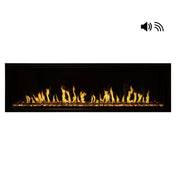
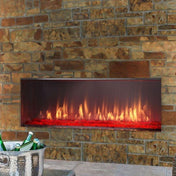
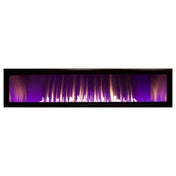
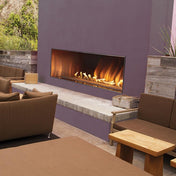
Linear models stretch horizontally with a wide, modern flame bed, making them ideal for contemporary feature walls and media installations.

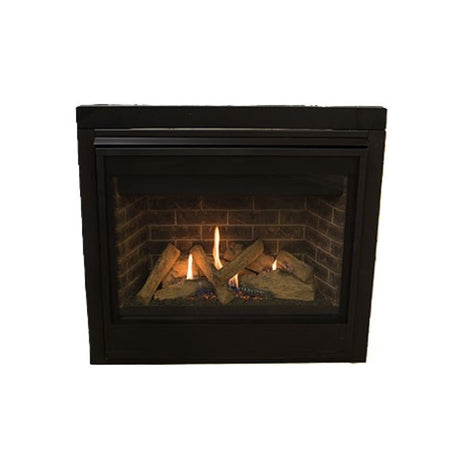
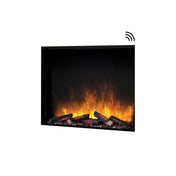
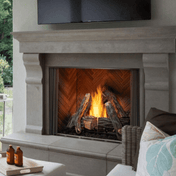
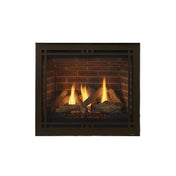
Traditional units and direct vent inserts offer a more classic square look. Direct vent inserts are great for converting existing wood fireplaces without changing the architecture of the room.

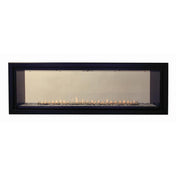
Two-sided direct vent gas fireplaces are great for installations in a dividing wall between two living spaces like living and dining room or the bedroom and bathroom.

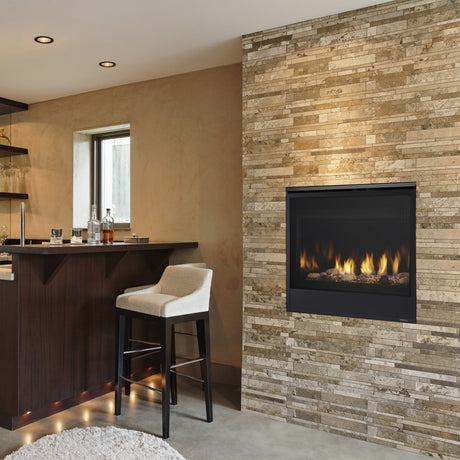
When choosing the fireplace style, consider proportions (height vs. width), media (logs, glass, stones), and framing options to ensure the unit fits both your wall layout and design vision.
Features to look for
Modern direct vent fireplaces add comfort and control features that dramatically improve day-to-day use.
- Remote controls and wall thermostats make it easy to adjust flame height, temperature, and on/off settings without bending down or opening panels.
- Variable-speed blowers help move warm air into the room more evenly.
- Interior linings (such as brick, black porcelain, or steel panels) and accent lighting enhance flame depth and create a more realistic or dramatic presentation, even when the fire is off.
Prioritize features that match how you actually live - if you’ll use the unit as zone heat, a good blower and thermostat usually matter more than extra decorative media.
Direct vent gas fireplaces offer a rare combination of safety, efficiency, and design flexibility by sealing the combustion system from your living space while still delivering real flames and comfortable heat. By understanding BTU sizing, total cost, and installation requirements, you are ready to make an informed choice.
Ready to find the perfect model?
Shop our full selection of Direct Vent Gas Fireplaces.
Need help with sizing, code compliance, or installation planning? Contact our design experts today.