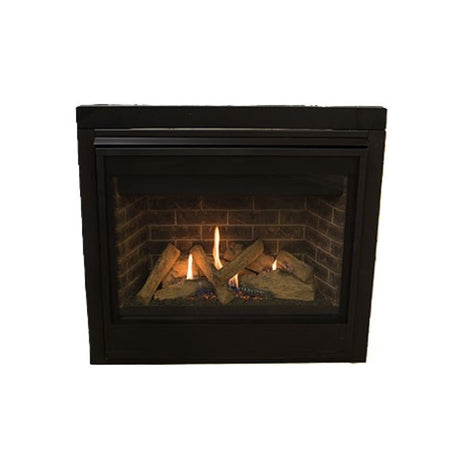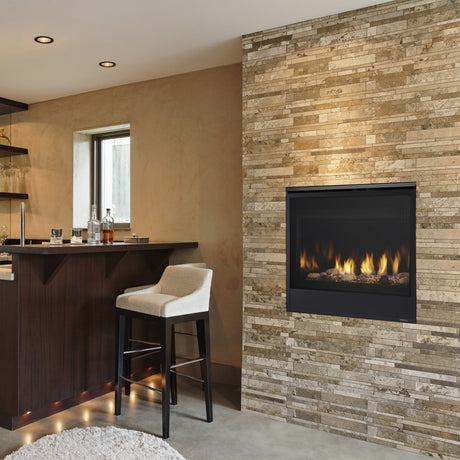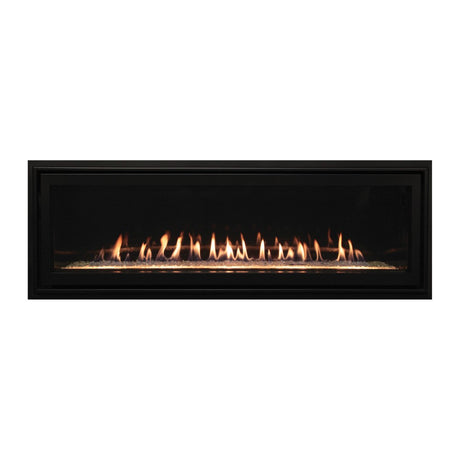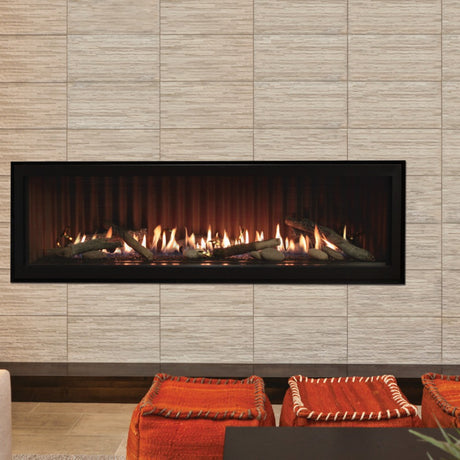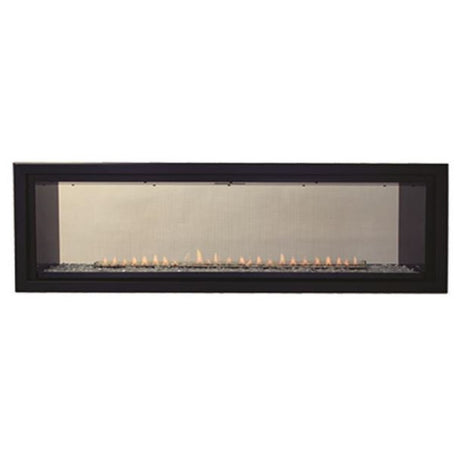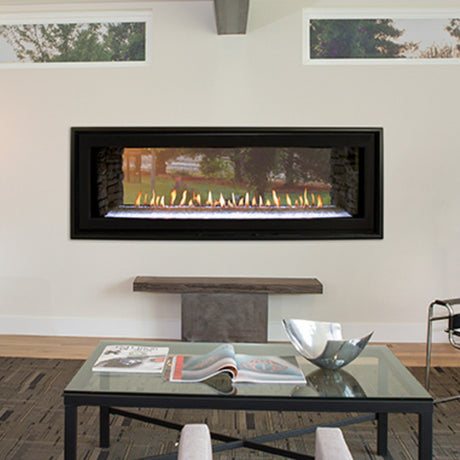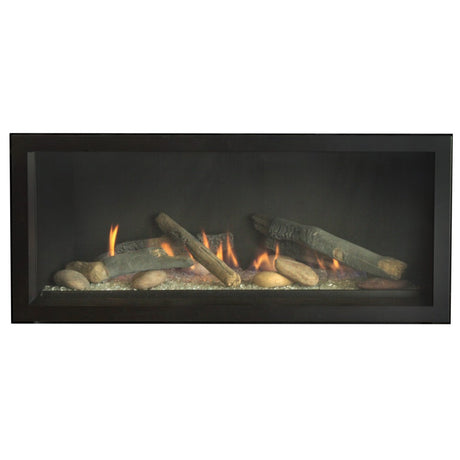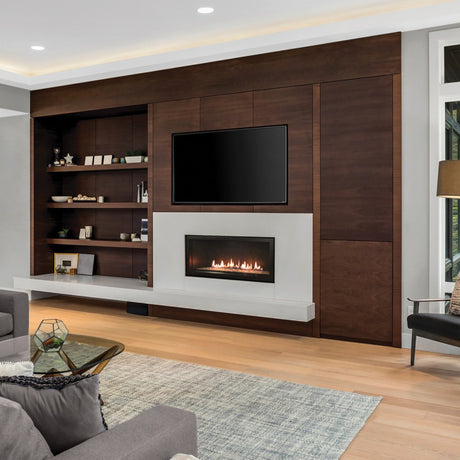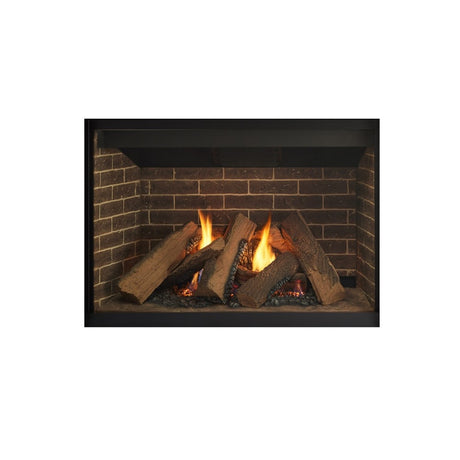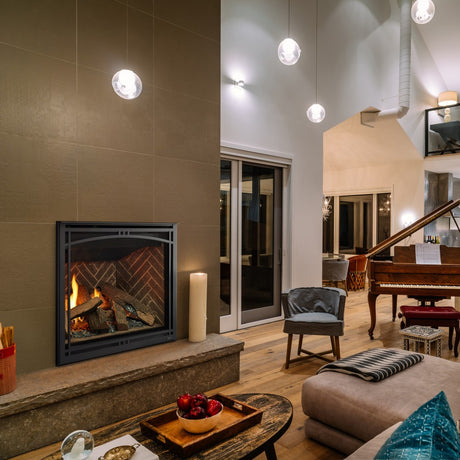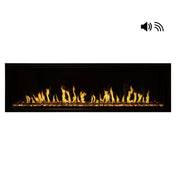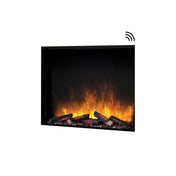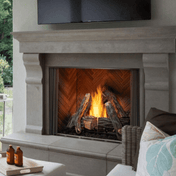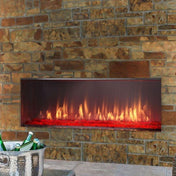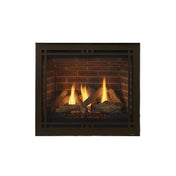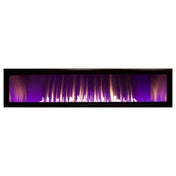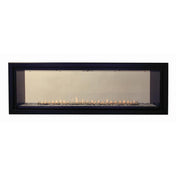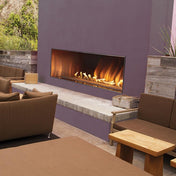

Gas fireplaces offer incredible convenience and a realistic, wood-like fire. They are a popular choice for new and existing homes due to their installation flexibility and ease of use. However, as with any gas-fueled appliance, safe operation and professional installation are non-negotiable requirements.
This guide provides the essential safety and maintenance information you need to own and operate your gas fireplace with confidence.
1. The Critical Role of Professional Installation
Regardless of your home's construction or the fireplace model you choose, proper installation is the foundation of a safe hearth system.
Use a Certified Professional Installer and Understand Codes. To ensure the safe and reliable installation of a gas fireplace, the Hearth, Patio & Barbecue Association (HPBA) recommends that you utilize a specialty retailer (like Modern Blaze) and a certified professional installer.
- The certified professional installer is trained to assess your home's structure and guarantee that the installation adheres strictly to all manufacturer guidelines and all local, state, and national installation codes (such as NFPA 54 and NFPA 211).
- Local Codes dictate specifics like minimum clearances to combustibles, required venting distances from windows/doors, and the type of unit permitted (e.g., whether Vent-Free is allowed).
Modern Blaze Advantage: As gas fireplace experts, we can help you navigate the installation process. We maintain a network of trusted, qualified certified professional installers across the country and can assist you in connecting with a reputable professional in your area to ensure your new unit meets all local installation codes.
2. Understanding Carbon Monoxide (CO) and Venting
All gas fireplaces, whether they are heater-rated or purely decorative, require attention to proper venting and carbon monoxide monitoring.
Carbon Monoxide Alarm Requirements
The HPBA strongly recommends the installation of a carbon monoxide detector with all gas hearth products. Since CO is an odorless, colorless gas, a detector is the only way to ensure safety.
Recommended Placement of CO Detectors: To ensure the earliest possible warning, place CO alarms according to these safety guidelines:
- On Every Floor: Install a detector on every level of the home, including the basement.
- Near Bedrooms: Place a detector outside of every separate sleeping area.
- In the Fireplace Room: Install one in the room where the gas fireplace is located, ensuring it is positioned according to the manufacturer's height instructions.

How Venting Affects Safety
The type of venting your fireplace uses dictates how it manages combustion gases and air flow:
- Direct Vent Systems: These are sealed combustion systems, which means they are completely closed off from the room air. They use a coaxial pipe (pipe-within-a-pipe) to draw 100% of the air for combustion from outside and safely expel all exhaust gases outside, making them one of the safest and most efficient options. Direct vented units vent through the wall behind the fireplace.

-
B-Vent (Natural Vent): These open-combustion fireplaces draw air from the room itself. They vent through the roof using B-vent gas pipe. They are generally less efficient and rely on the chimney effect to draft properly.
Vent-Free (Ventless) Fireplaces: These units require no venting and feature an Oxygen Depletion Sensor (ODS) to ensure safety. However, it is important to follow specific sizing guidelines for proper operation and double-check with local code bodies to find out what is allowable.
3. Annual Maintenance Checklist
Gas fireplaces are clean-burning and require relatively little maintenance. However, annual service is vital for safety, efficiency, and appearance.
Professional Annual Servicing
The HPBA recommends that a gas fireplace be professionally serviced at least once a year to ensure top performance and aesthetic appearance.
During an annual service, a qualified professional will perform a comprehensive inspection, including:
- Checking the burner, pilot light, and thermostat.
- Inspecting the fan and verifying safe operation.
- Cleaning the glass.
- Inspecting all vents for vented gas fireplaces.
Venting Inspection Requirement
For all vented gas fireplaces, the HPBA also recommends that all vents be inspected on an annual basis by a chimney sweep certified by the Chimney Safety Institute of America. This ensures no blockages or damages have occurred to the vent path.
4. Fuel and Routine Operation
Fuel Considerations (Natural Gas vs. Propane). Gas fireplaces can operate on one of two available fuels: natural gas or propane (LP). The safety guidelines regarding installation, maintenance, and CO detection apply regardless of the fuel type used.
Routine Operating Instructions
- Starting: Modern units typically use a remote, wall switch, or electronic ignition system (which may require a wall timer or switch). Always ensure the gas supply valve is open and, if applicable, the pilot light is lit before attempting to start the unit.
- Shutting Down: Use the dedicated wall switch or remote control to turn the unit off. For extended periods (such as summer months), you should consider turning the pilot light off.
- Troubleshooting: If the unit fails to ignite or the flame is poor, the first steps should be to check the gas supply valve, confirm the pilot light is lit, and ensure the vent is clear. If these steps fail, contact your local qualified service technician. Never attempt to repair internal gas components yourself.
A properly installed and maintained gas fireplace is an asset to any home, providing realistic, instantaneous fire and warmth. By committing to professional installation, using CO alarms, and scheduling annual maintenance, you can ensure your gas fireplace operates safely and efficiently for years to come.