
Before the first fire of the season, clear out the leaves and spider webs, check the gas hose and connections, make sure the media is dry and off the pilot, and book the yearly inspection for anything that burns gas. That is the difference between a fire that lights on the first try and one that won't.
Below is the checklist, then the details for gas fire pits, outdoor gas fireplaces, outdoor electric fireplaces and patio heaters.
If you smell gas, shut off the gas to the appliance, put out any open flame, and don't relight it until a technician has checked it.
The Fall Startup Checklist
- Clear out leaves and debris from the burner pan, the firebox and around the base.
- Look for spider webs and insect nests around the burner, pilot and air openings.
- Check the gas hose and connections, then leak-test with soapy water, never a flame.
- Check the media. It should be dry, loosely placed and clear of the pilot or igniter.
- Clear the drain holes in the burner pan or base so water can get out.
- Replace the remote and igniter batteries if they are more than a year old.
- Book the yearly inspection for anything that runs on gas.
Gas Fire Pits and Fire Tables
Before the First Fire
- Take the cover off and clear the bowl. Leaves and debris collect in the burner pan over the off-season.
- Inspect the propane hose. Replace a cracked or frayed hose before you turn on the gas.
- Leak-test the connections with soapy water. Bubbles mean a leak: close the valve and call a technician. Test at the start of the season and every time you reconnect a propane tank.
- On a new installation, expect a few tries. Air in the gas line has to clear before gas reaches the burner.
Spiders and Insects
Spiders and insects nest in the small openings of a gas burner, including the air mixer on propane units. One manufacturer warns this can fill the fire pit with gas instead of burning it.
Look for webs around the burner and pilot, and brush away loose debris. Leave the inside of the burner, the air mixer and the orifice to a technician as part of the yearly inspection.
Media: Lava Rock and Fire Glass

- Use only media rated for fire features, such as fire-rated lava rock or fire glass made for burners. Skip gravel, pebbles and river rock unless your manufacturer sells or approves them. Stone that holds moisture can crack apart when heated.
- Don't bury the burner. Fire pit manuals set the limit at 1 to 2 inches of media over the burner, so check yours. Too much media blocks the gas and is a common reason a fire pit won't light.
- Keep media off the pilot and igniter. A buried pilot can't light.
- Lay it loosely, and don't pour lava rock straight from the bag. The dust ends up in the drain holes, which then hold water.
Wet Media Can Pop
Wet lava rock and fire glass can pop and crack as the trapped water heats up. After rain or a humid spell, light the fire and let it burn for at least 30 minutes while you watch from a distance. One manufacturer says to stay 15 feet back. Gather around once the popping stops.
Drainage
Water in the burner pan means the drain is blocked. Dust from the media is a common culprit. Take the media out, clear the drain holes, and put back clean media. Don't run a fire pit in heavy rain. If any part has been underwater, don't use it until a technician has checked it.
Cleaning the Table
- Concrete: wash with mild soap and water, use a vinyl brush on stubborn stains, and rinse with a garden hose. Skip pressure washers, acids and harsh abrasive cleaners, which can strip the sealed finish. One manufacturer recommends a coat of masonry sealer once a year. Fine hairline cracks come with age and weather.
- Teak: wash with soapy water and a soft nylon brush. If it sits out in sun and rain, the manufacturer recommends teak oil every 6 to 12 months.
- Stainless steel: wipe off dirt promptly, because grime left on stainless can rust it. A golden or brown tint where it gets hot is normal.
Ignition
- Battery spark igniters: if the burner won't light, change the battery first, and check the contacts for corrosion.
- Electronic ignition: many models plug into a GFCI outlet. If nothing happens, check the GFCI and the breaker.
- Match-lit burners: if the gas doesn't catch within about 10 seconds, turn it off. Wait the time on your lighting label, usually 5 minutes, before trying again.
Propane Tanks
- Store tanks outdoors, never in a garage, shed or other enclosed space. Never keep a spare tank under or near the fire pit.
- Keep any tank enclosure vented. Propane is heavier than air and pools in a closed space. Keep the vent openings in your fire table base clear.
- Turn the tank valve off after each use.
Outdoor Gas Fireplaces
Have an outdoor gas fireplace inspected and cleaned by a qualified service person every year, ideally at the start of the season. That covers the burner, pilot and controls you can't safely reach yourself.

What you can do:
- Clear leaves and branches out of the firebox and away from the fireplace.
- Keep the burner's air openings clean. A blocked air opening causes soot.
- Clear the drain holes in the base. Outdoor fireplaces are built to handle some rain, but the water has to get out.
- Keep media at the depth your manual gives, and off the pilot.
- Clean soot off with hot water and a few drops of dish soap. Skip metal scrub brushes, which scratch.
Is a yellow flame normal? It depends on the fireplace. Some burners are designed for a fully yellow flame. Others warn that yellow tips can mean more carbon monoxide. Compare your flame with the picture in your manual, and call a technician if it doesn't match.
Outdoor Electric Fireplaces
An outdoor electric fireplace needs a roof over it. Depending on the model, the overhang has to reach out at least a third to a half of its height above the fireplace. Check yours before a wet winter.

- Use the cover if your model has one. Some manufacturers require their stainless steel cover on outdoor installs to keep the warranty valid.
- Clean with a damp cloth. For the glass, spray a non-abrasive glass cleaner on the cloth, not the fireplace. Never hose it down.
- Keep the air vents clear of dust and leaves.
- Inspect it every season. At least one manufacturer asks for a seasonal check on outdoor installs, compared with yearly indoors.
- Turn the power off at the breaker before cleaning, and unplug plug-in models when they aren't in use.
If it shuts itself off, turn it off, let it cool, and reset it at the breaker. If it keeps happening, call the manufacturer's technical support.
Patio Heaters
Gas patio heaters get the same routine: clear spider webs from the burner and pilot, check the hose, leak-test the connections, and book the yearly inspection.
Electric patio heaters need cleaning only once they're off at the breaker and cool. Use what your manual allows, because manufacturers disagree: some allow a hose, others forbid water entirely. Never touch a quartz lamp with bare fingers, because skin oil burns into the quartz. Never cover an electric heater while it's on or still warm.
End of Season
- Turn off the gas at the source when the fire feature won't be used.
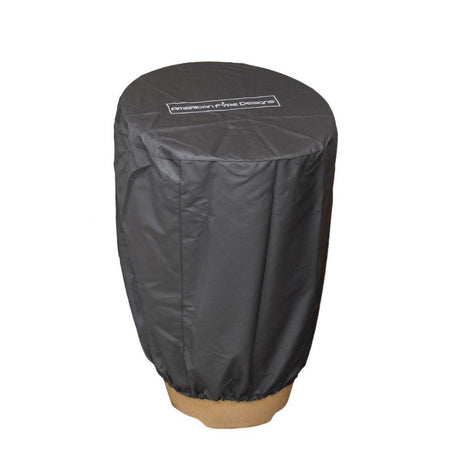
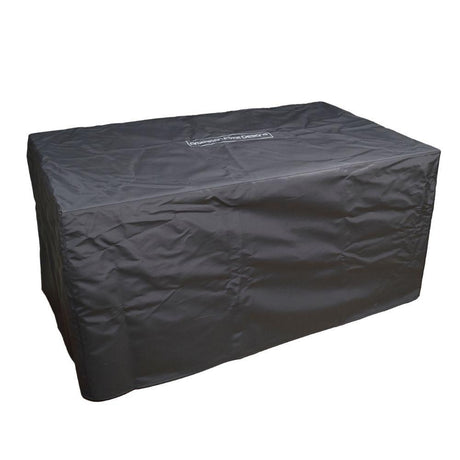
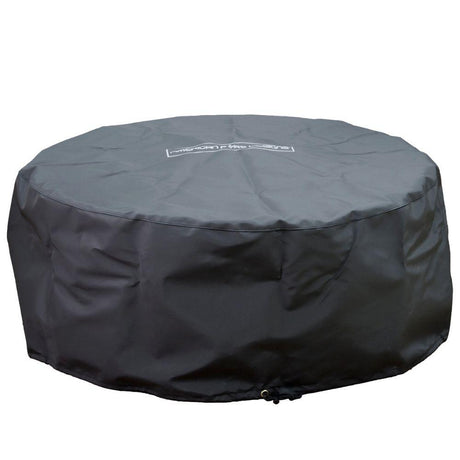
- Cover it once it's off and completely cool. A cover keeps out rain and debris and cuts down on popping media next season. Always take it off before lighting.
- Store a gas fire pit indoors only once it's disconnected from the gas. The propane tank always stays outside.
- Store electric fireplaces somewhere dry if you take them down.

What about hard freezes? None of the manuals we checked gives a winterizing procedure beyond shutting off the gas, keeping the drains clear and using a cover. If you live where the ground freezes, ask your installer whether your setup needs more.
When to Call a Technician
- The yearly inspection for any gas fire pit, fireplace or heater
- Anything inside the burner, air mixer, pilot, valve or regulator
- A leak found in the soapy-water test
- A gas smell, or headaches, nausea or dizziness near the fire
- Any appliance that has been underwater
- A flame that doesn't match the picture in your manual, or heavy soot
- An electric fireplace that keeps shutting itself off
For indoor gas fireplaces, see our guide to gas fireplace safety and maintenance.
Protect It Between Seasons
A fitted cover is the easiest way to keep rain, leaves and spiders out of a fire pit or gas fireplace, and it means less cleanup next fall. Browse our outdoor covers to find one that fits.