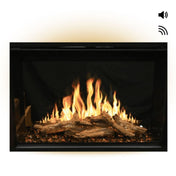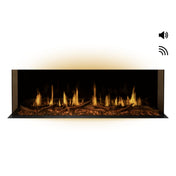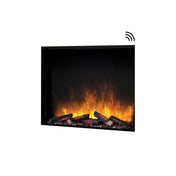
Ventless Gas Fireplace Inserts
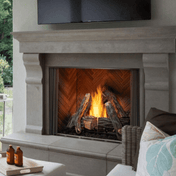
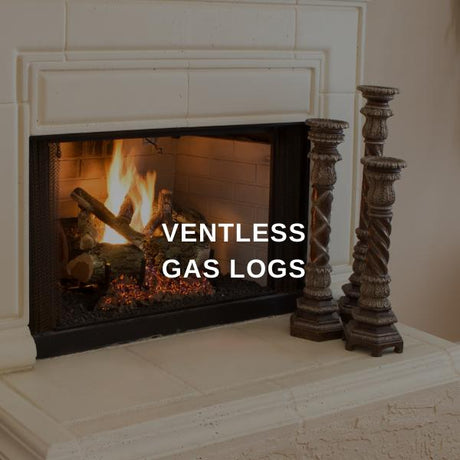
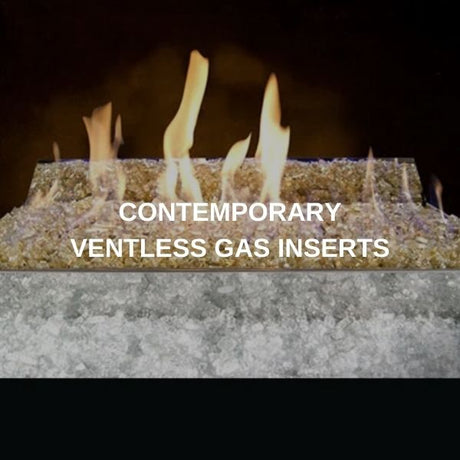
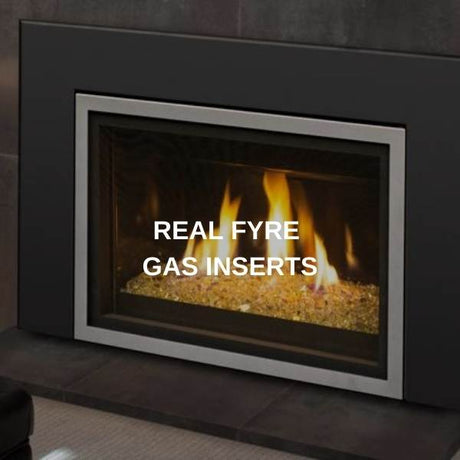
Ventless gas fireplace inserts upgrade wood-burning fireplaces into clean, efficient gas hearths without new venting. They slide into existing fireboxes for real flames, fast heat, and easy control. This collection offers vent-free gas log inserts, fire glass burners, 2-sided designs, and complete firebox-log systems.

-
Contact us
Need help deciding?
We are here to answer any questions, including product selection and design.
-
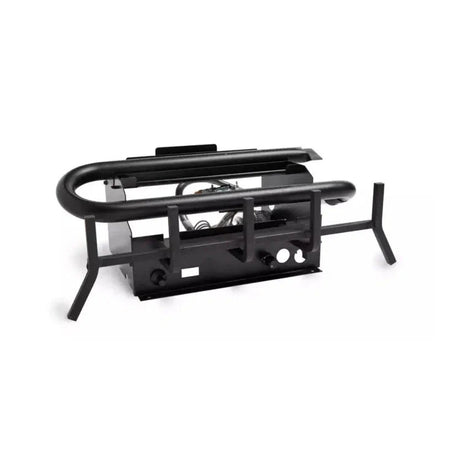 Up to $245.70 off
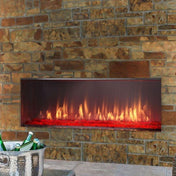
Monessen Lumonessen Vent-Free Outdoor Gas Burner
Sale price $819.00 Regular price $1,064.70Unit price /Unavailable -
Up to $396.30 off
Real Fyre Split Oak Vent-Free Gas Log Set Insert
Sale price From $778.00 Regular price $1,011.40Unit price /Unavailable -
-
Up to $604.80 off
Real Fyre Charred Aged Split Oak Vent-Free Gas Log Set Insert
Sale price From $975.00 Regular price $1,267.50Unit price /Unavailable -
-
Up to $441.30 off
Grand Canyon Weathered Oak Vent-Free Indoor Gas Log
Sale price From $1,051.00 Regular price $1,366.30Unit price /Unavailable -
-
Up to $289.80 off
Real Fyre Valley Oak 9500 BTUs Vent-Free Gas Log Set Insert
Sale price From $557.00 Regular price $724.10Unit price /Unavailable -
-
Up to $604.80 off
Real Fyre Charred Alpine Birch Vent-Free Gas Log Set Insert
Sale price From $975.00 Regular price $1,267.50Unit price /Unavailable -
-
Up to $629.70 off
Monessen Solstice 33-Inch Ventless Gas Fireplace Insert with Firebox, Logs & Blower
Sale price From $1,999.00 Regular price $2,598.70Unit price /Unavailable -
-
Up to $557.40 off
Real Fyre Contemporary 30-Inch Vent-Free Gas Fire Glass Set Insert
Sale price $1,858.00 Regular price $2,415.40Unit price /Unavailable -
-
Up to $296.70 off
Monessen Lyric 24-Inch Vent-Free Gas Burner
Sale price $989.00 Regular price $1,285.70Unit price /Unavailable -
-
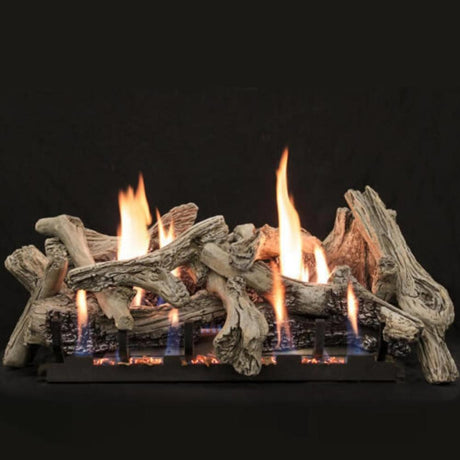 Up to $817.50 off
Empire Driftwood Burncrete Slope Glaze Vent-Free Gas Log
Sale price From $1,565.00 Regular price $2,347.50Unit price /Unavailable -
Up to $643.50 off
Real Fyre Evening Fyre Charred Vent-Free Gas Log Set Insert
Sale price From $1,107.00 Regular price $1,439.10Unit price /Unavailable -
-
Up to $441.30 off
Grand Canyon Red Oak Vent-Free Indoor Gas Log
Sale price From $1,051.00 Regular price $1,366.30Unit price /Unavailable -
-
Up to $350.70 off
Monessen Natural Blaze 27-Inch See-Through Gas Log
Sale price $1,169.00 Regular price $1,519.70Unit price /Unavailable -
-
Up to $1,034.50 off
Empire Innsbrook 31-Inch Ventless Gas Fireplace Insert with Firebox and Log Set
Sale price From $1,865.00 Regular price $2,797.50Unit price /Unavailable -
-
Up to $472.20 off
Real Fyre Golden Oak 24-Inch See-Through Vent-Free Gas Log Set Insert
Sale price $1,574.00 Regular price $2,046.20Unit price /Unavailable -
-
Up to $472.20 off
Real Fyre Split Oak 24-Inch See-Through Vent-Free Gas Log Set Insert
Sale price $1,574.00 Regular price $2,046.20Unit price /Unavailable -
-
Up to $632.40 off
Real Fyre Foothill Oak Vent-Free Gas Log Set Insert
Regular price From $1,089.00Unit price /Unavailable -
-
Up to $534.60 off
Real Fyre Contemporary 24-Inch Vent-Free Gas Fire Glass Set Insert
Sale price $1,782.00 Regular price $2,316.60Unit price /Unavailable -
-
Up to $622.80 off
Real Fyre Contemporary 24-Inch See-Through Vent-Free Gas Fire Glass Set Insert
Sale price $2,076.00 Regular price $2,698.80Unit price /Unavailable -
-
Up to $854.50 off
Empire Carol Rose Loft Outdoor Stainless Steel Gas Insert
Sale price From $1,605.00 Regular price $2,407.50Unit price /Unavailable -
-
Up to $1,202.50 off
Empire Innsbrook 28-Inch Ventless Gas Fireplace Insert with Firebox and Log Set
Sale price From $2,205.00 Regular price $3,307.50Unit price /Unavailable -
-
Up to $396.30 off
Real Fyre Golden Oak Designer Vent-Free Gas Log Set Insert
Sale price From $778.00 Regular price $1,011.40Unit price /Unavailable -
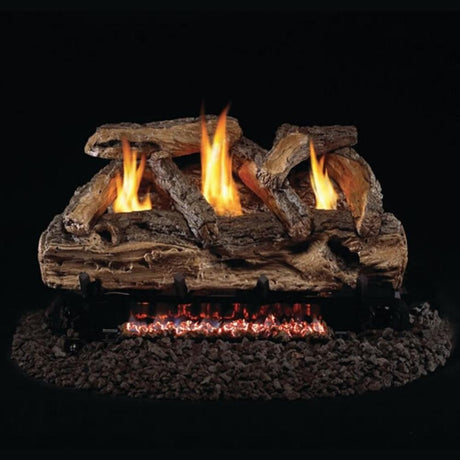
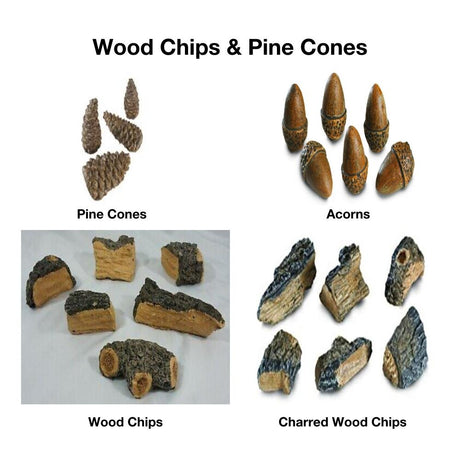
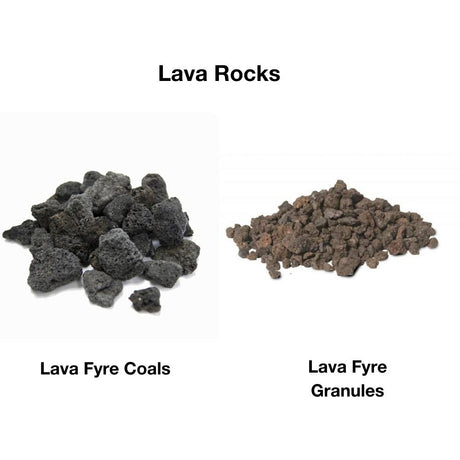
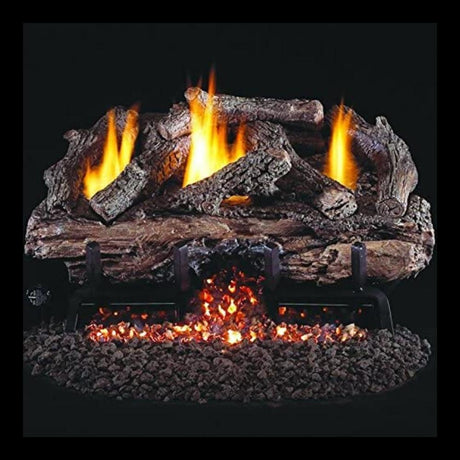
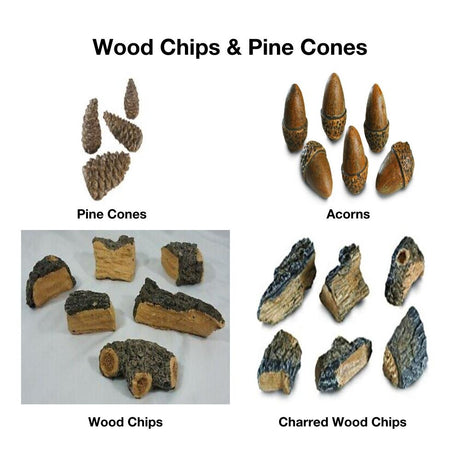
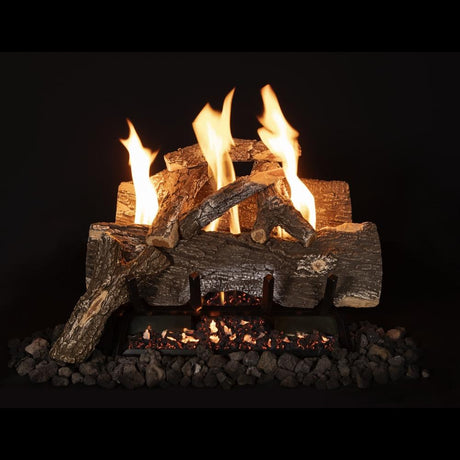
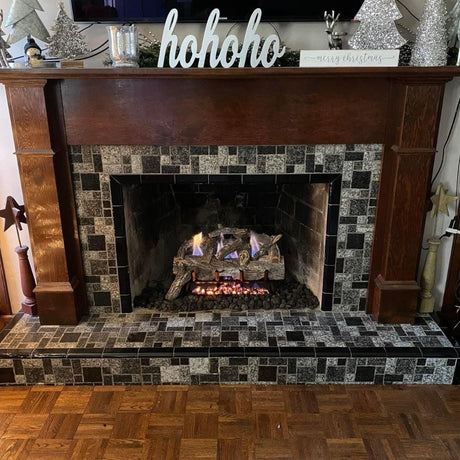
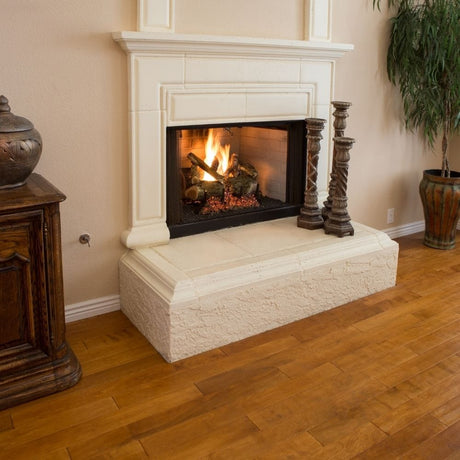
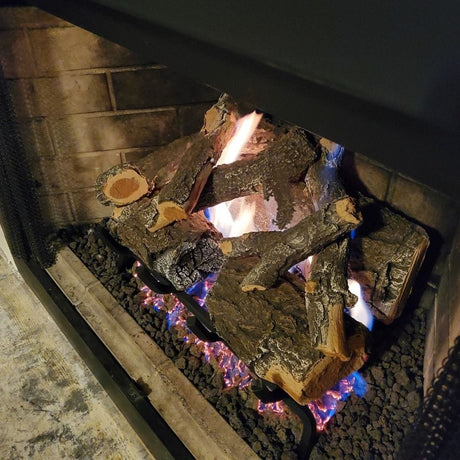
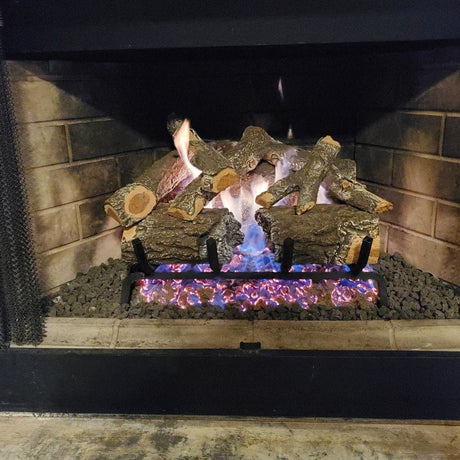
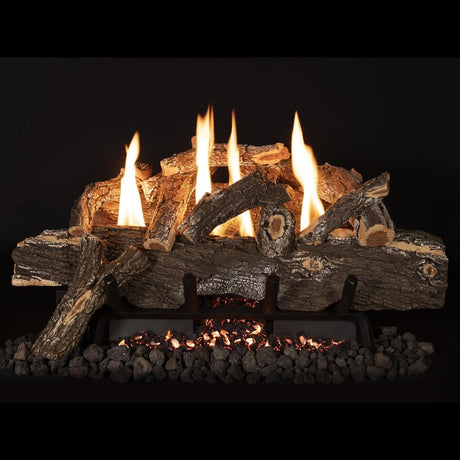
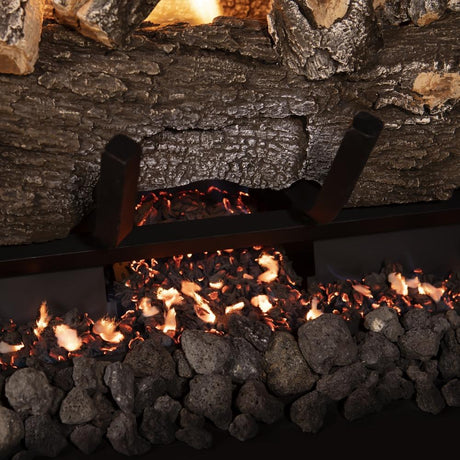
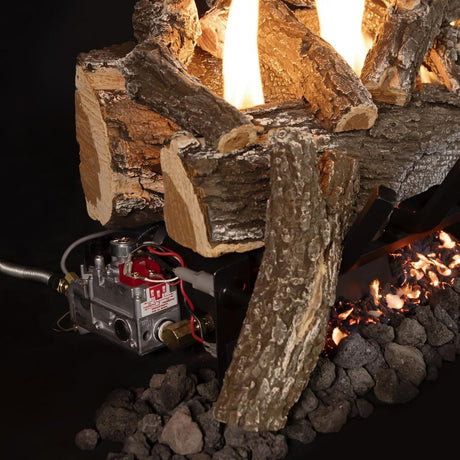
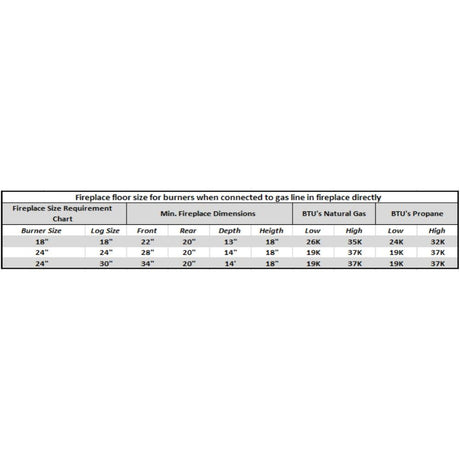
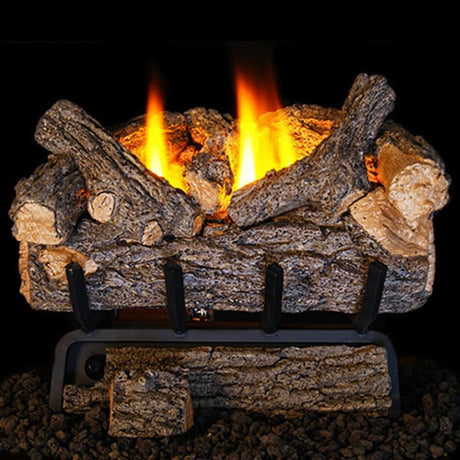
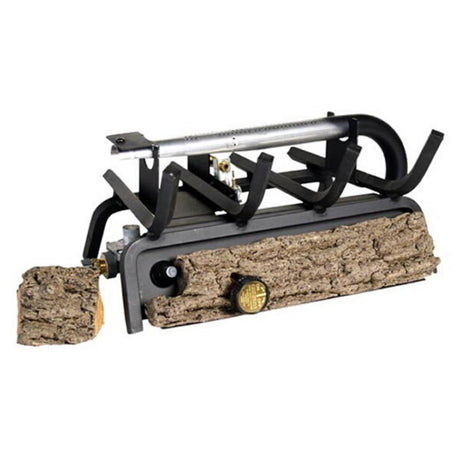
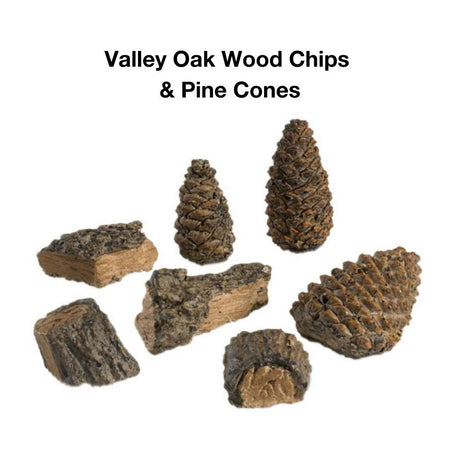
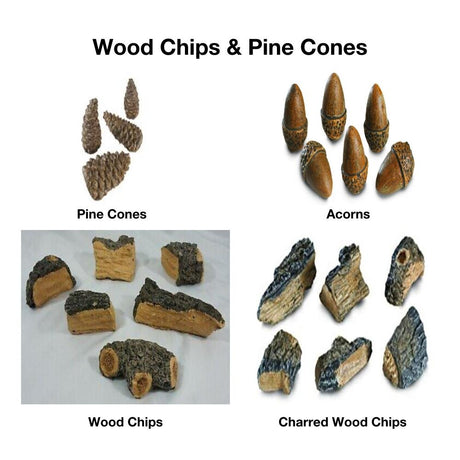
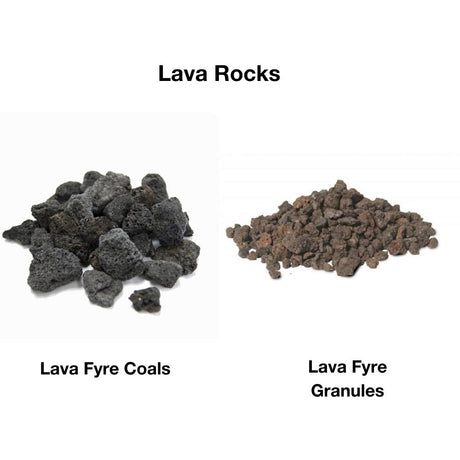
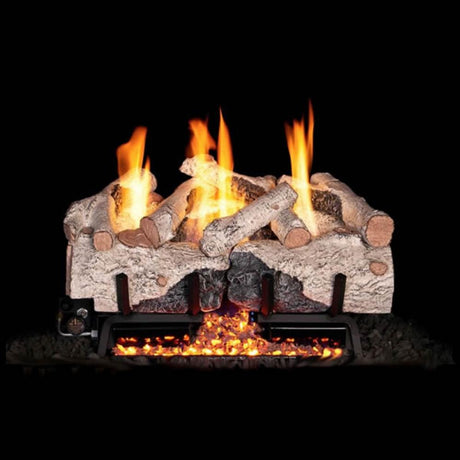
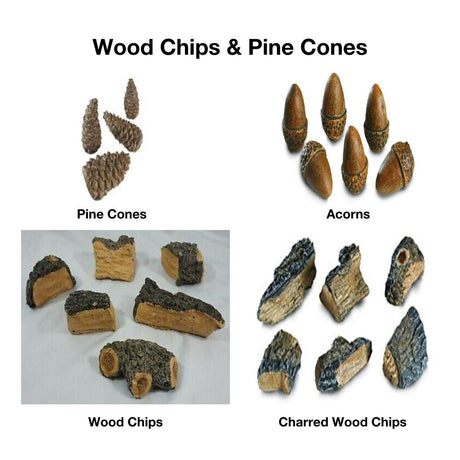
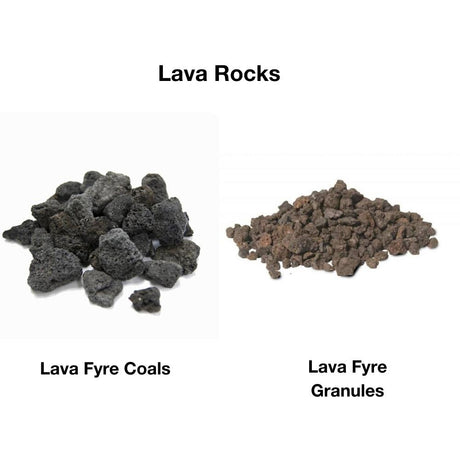
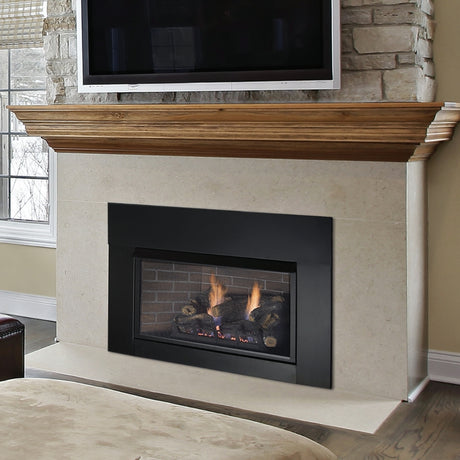
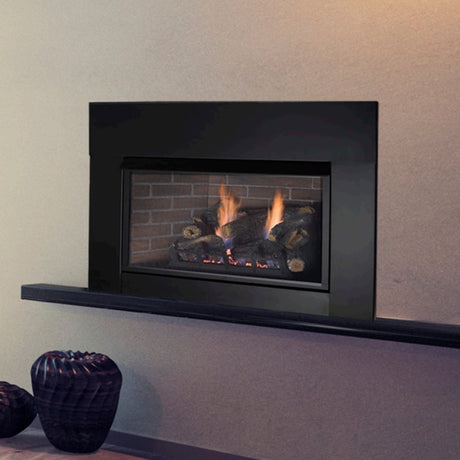
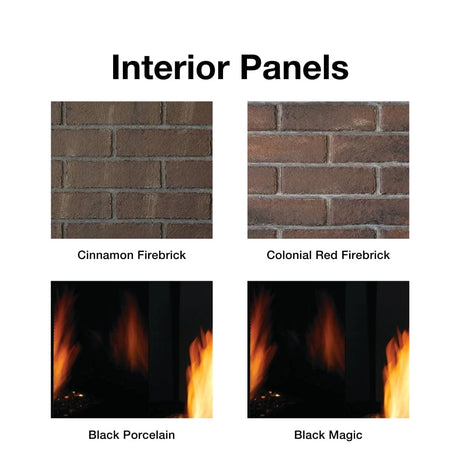
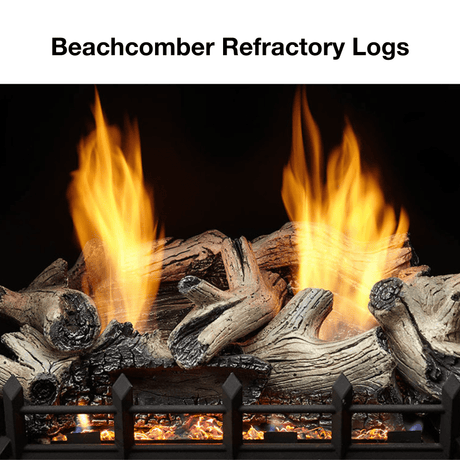
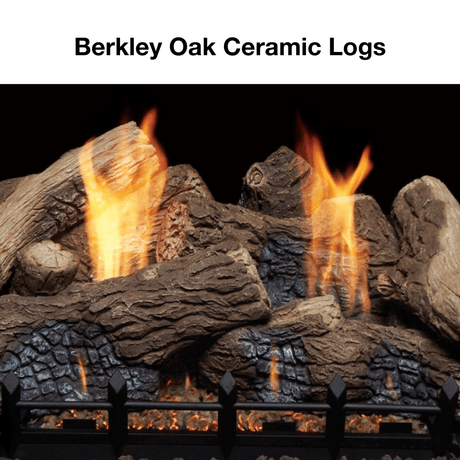
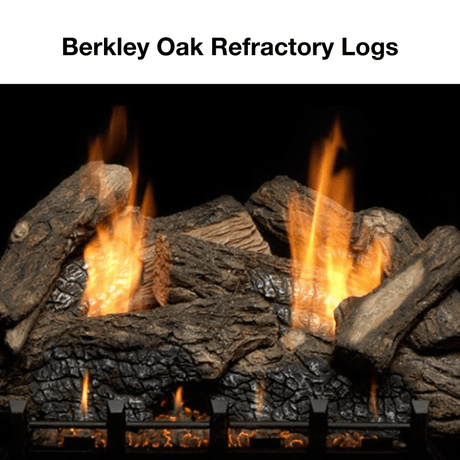
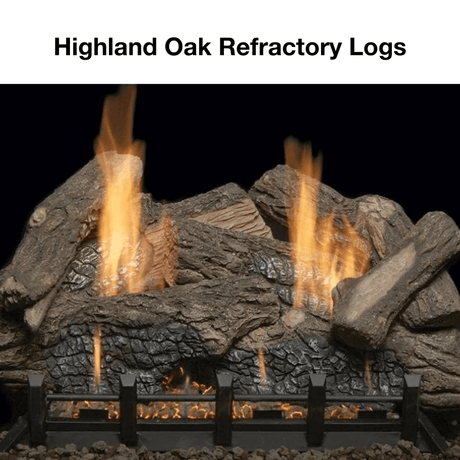
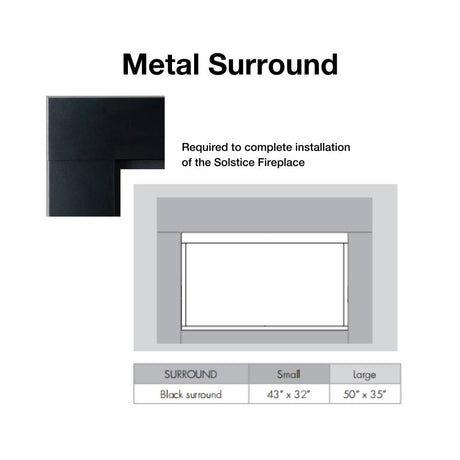
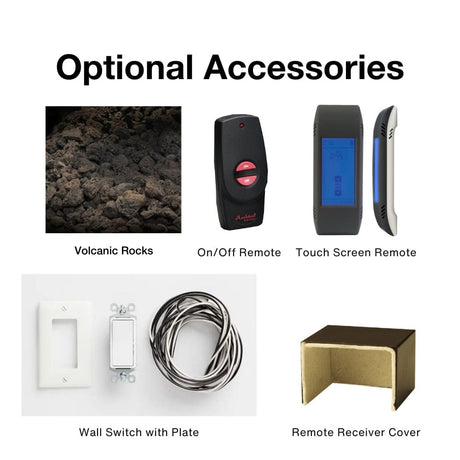
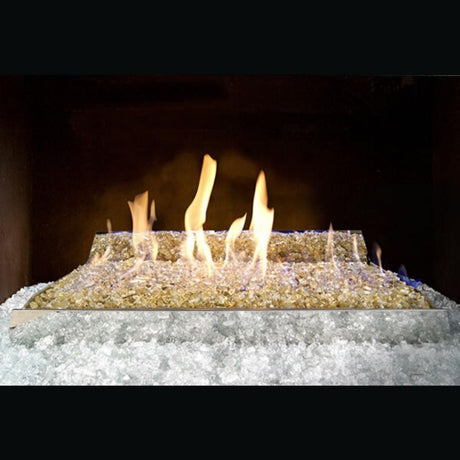
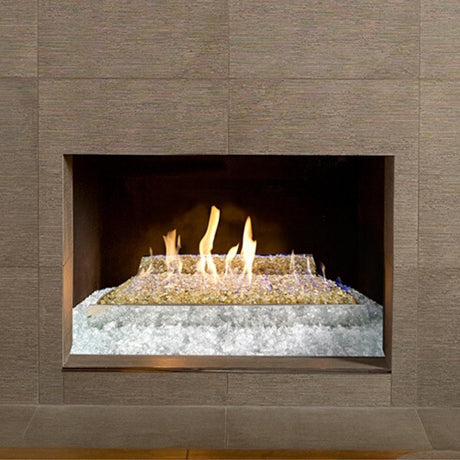
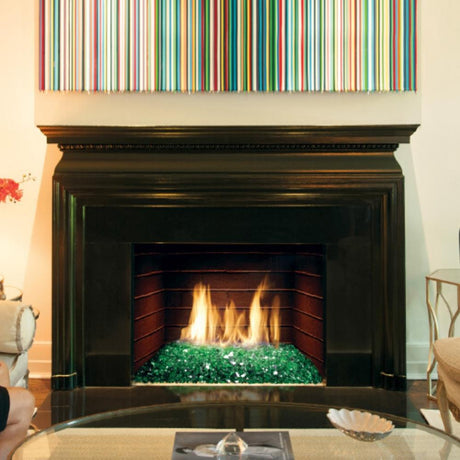
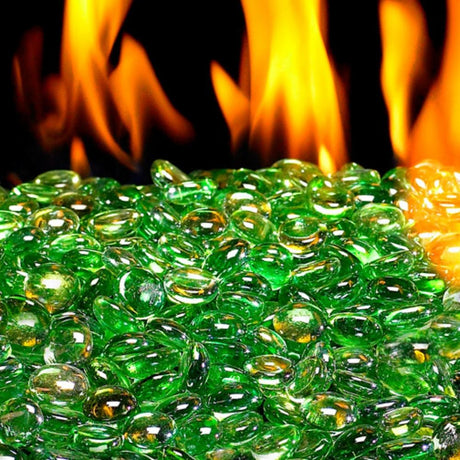
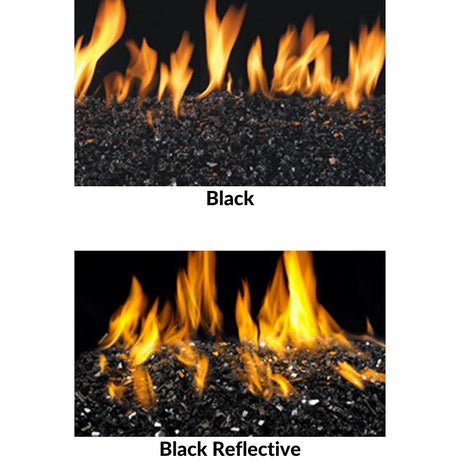
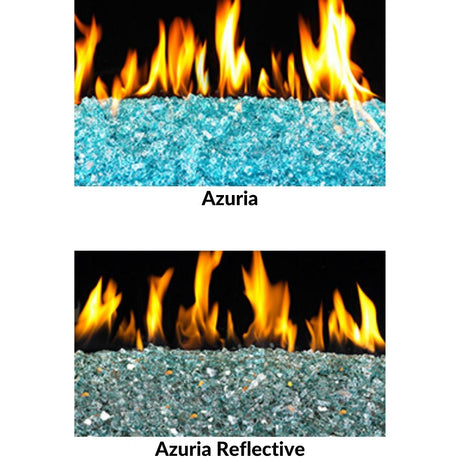
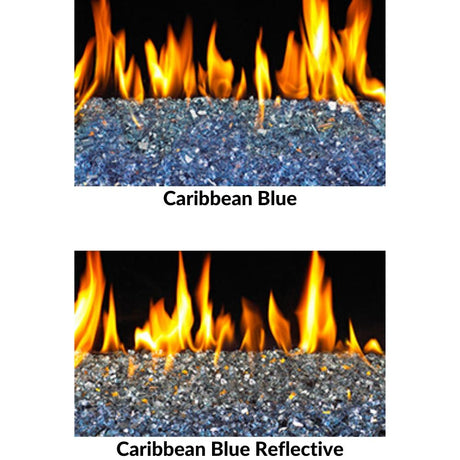
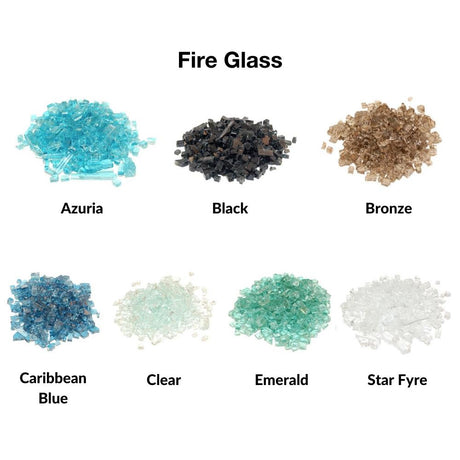
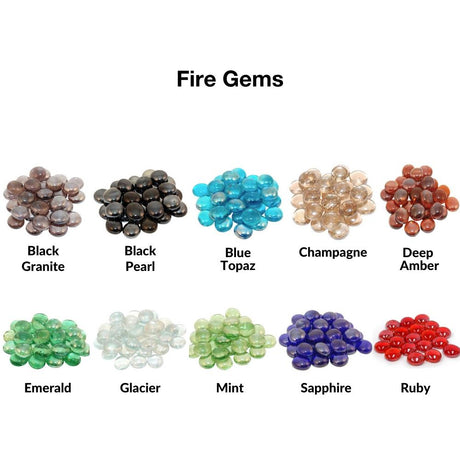
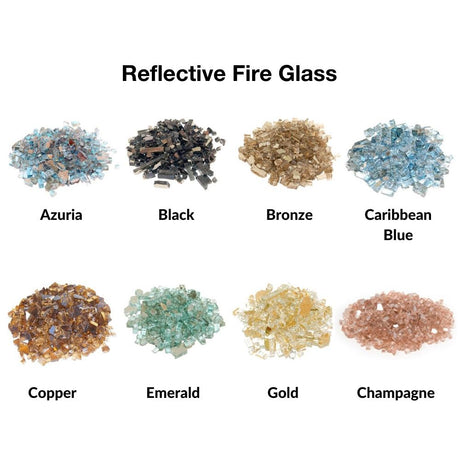
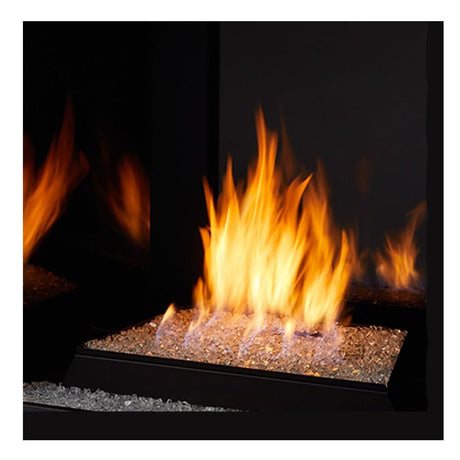
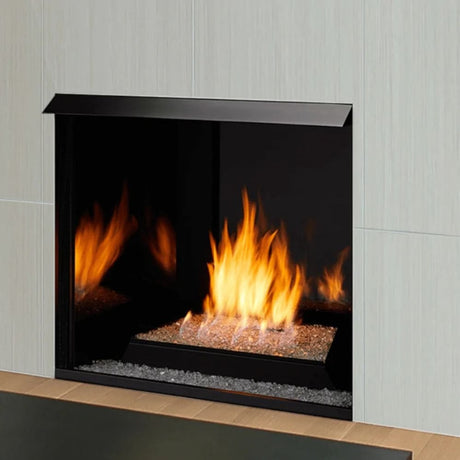
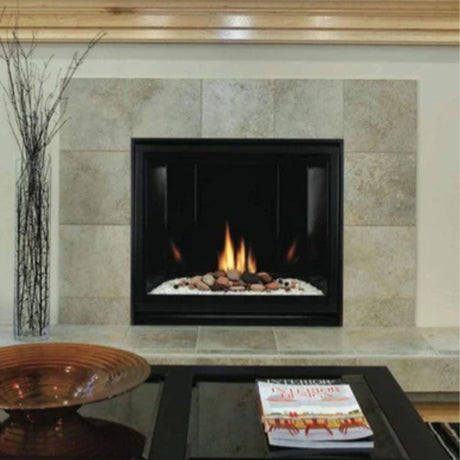
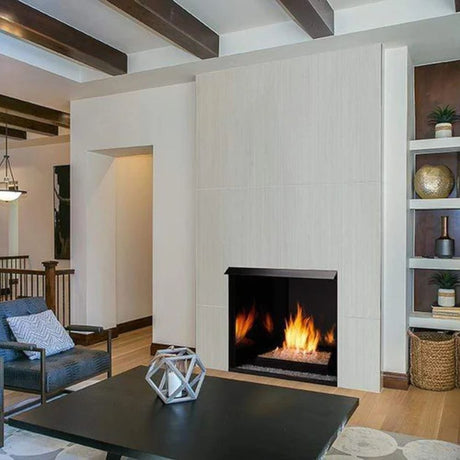
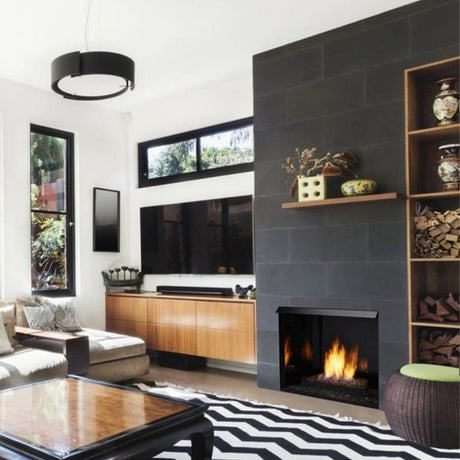
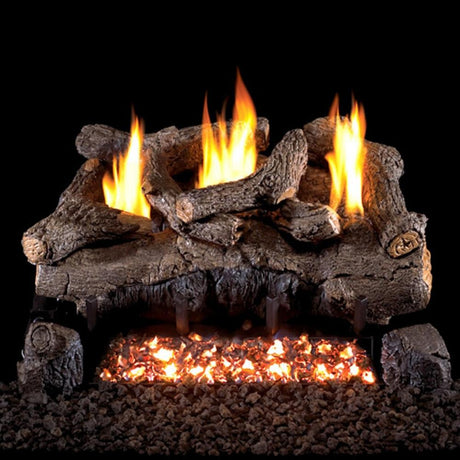
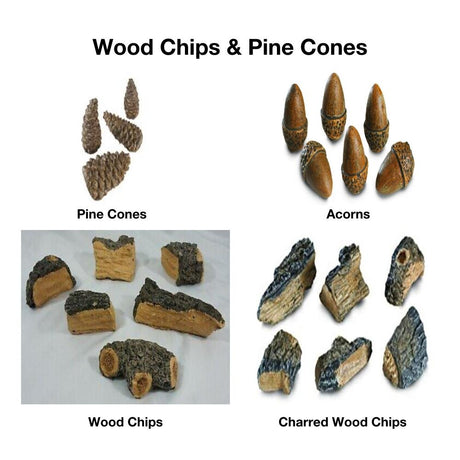
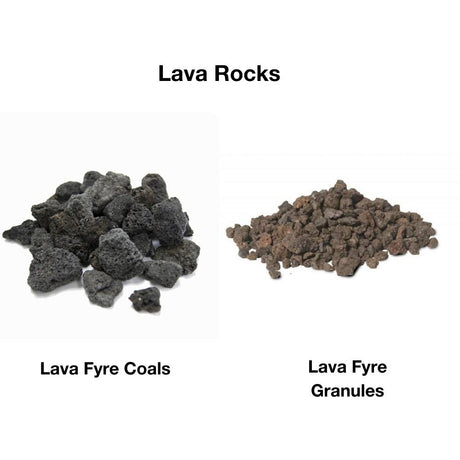
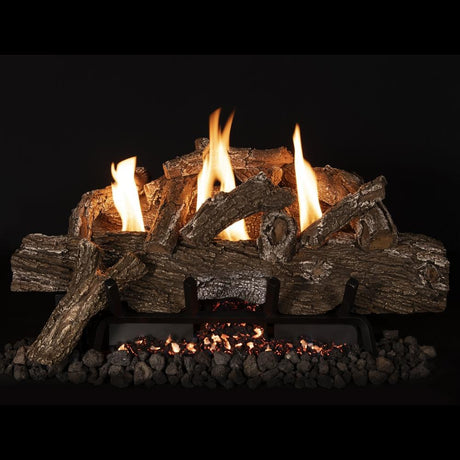
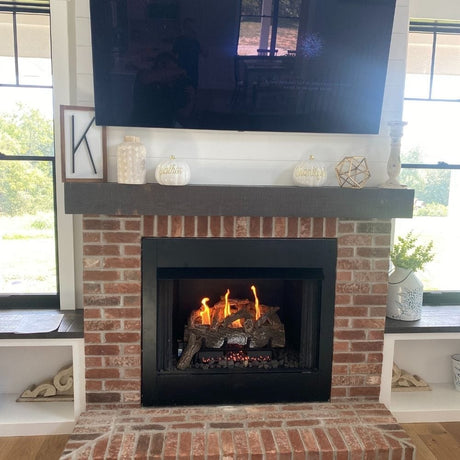
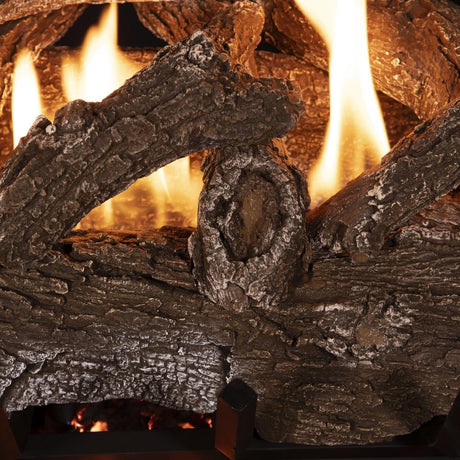
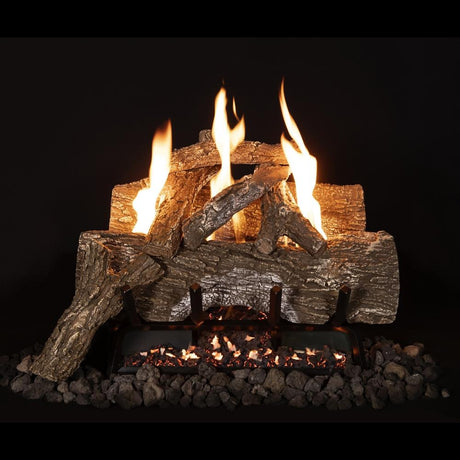
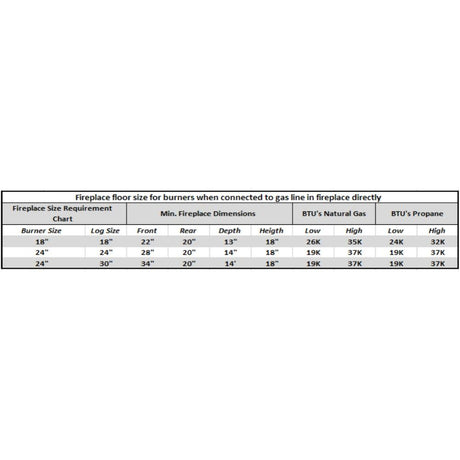
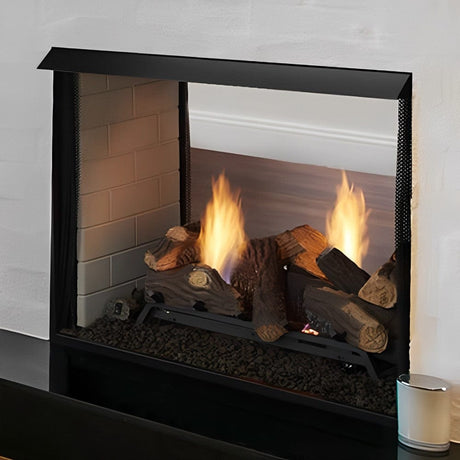
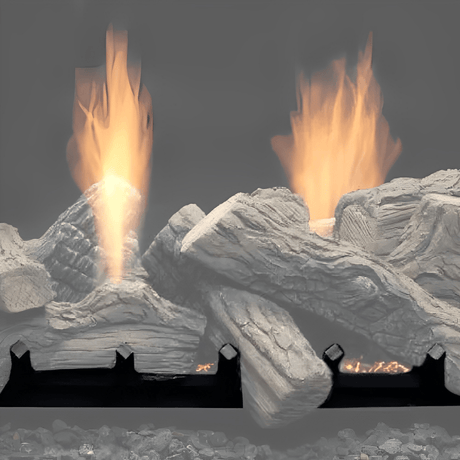
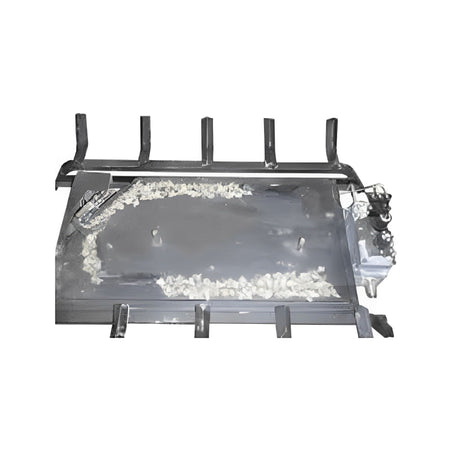
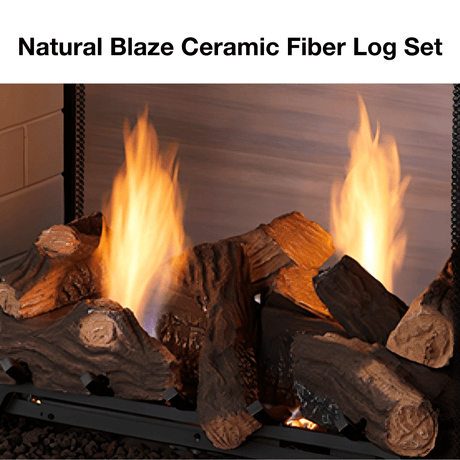
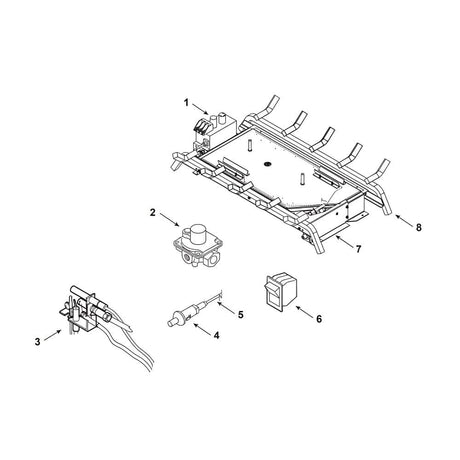


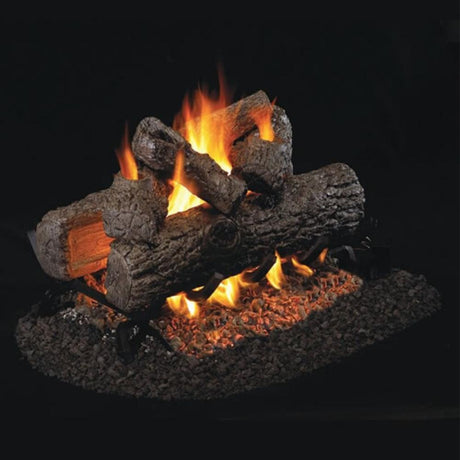
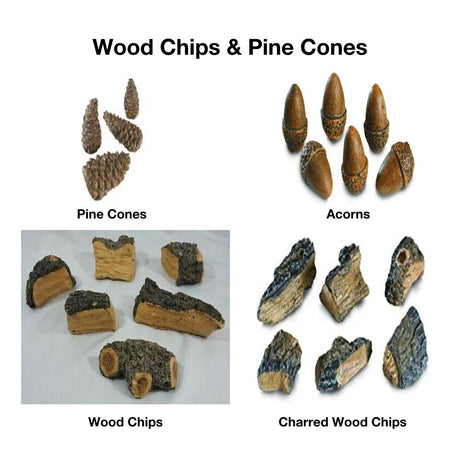
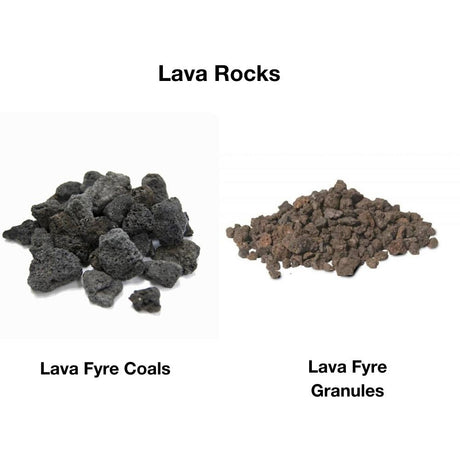
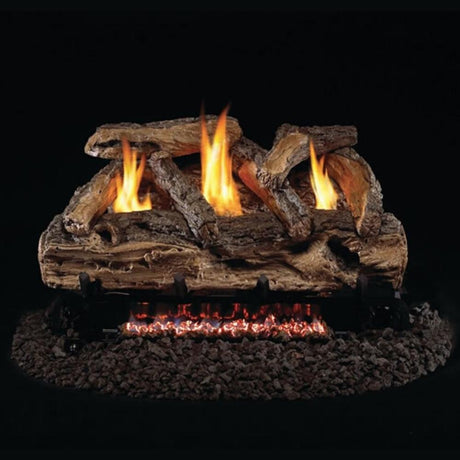
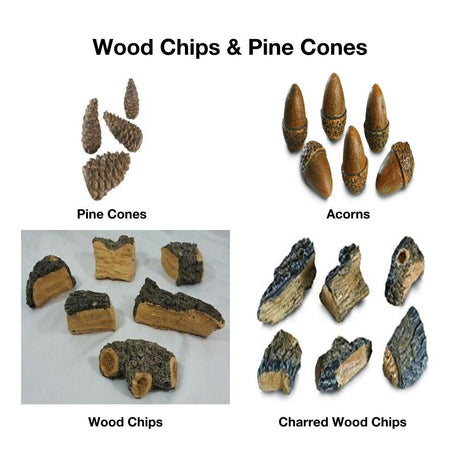
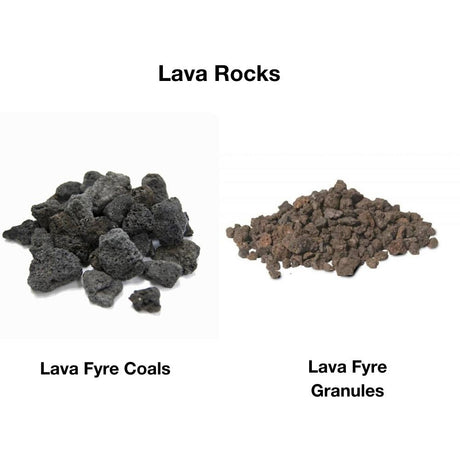
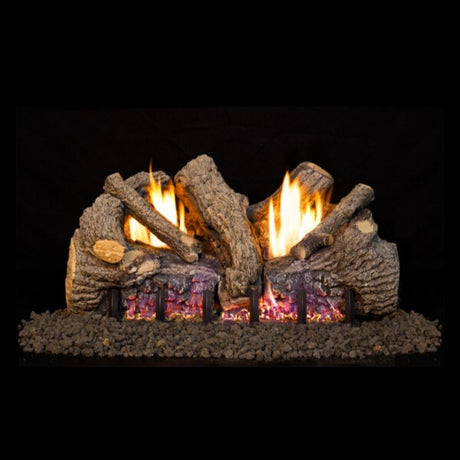
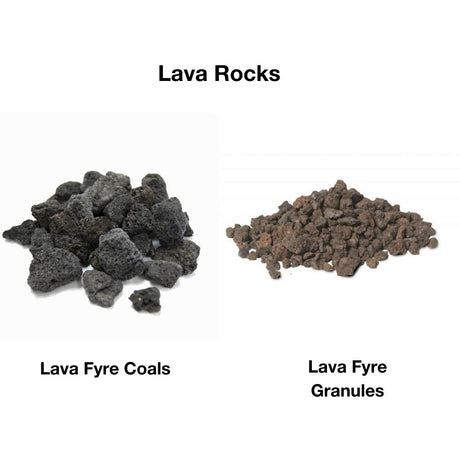
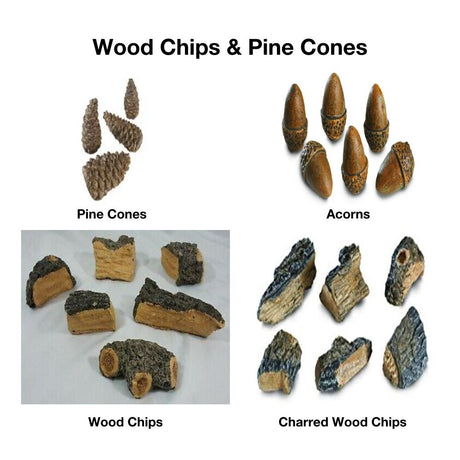
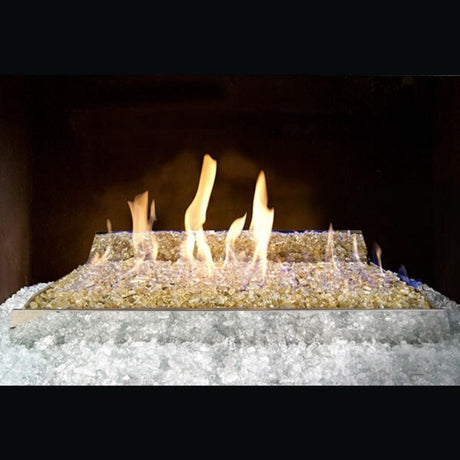
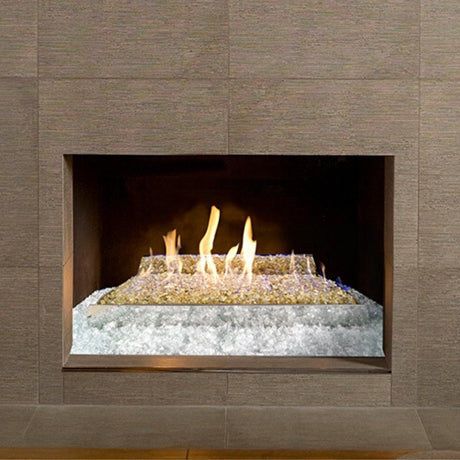
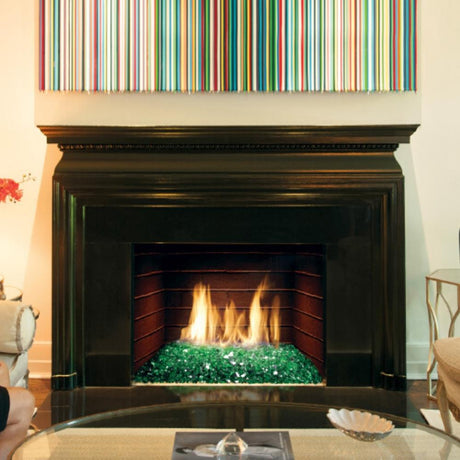
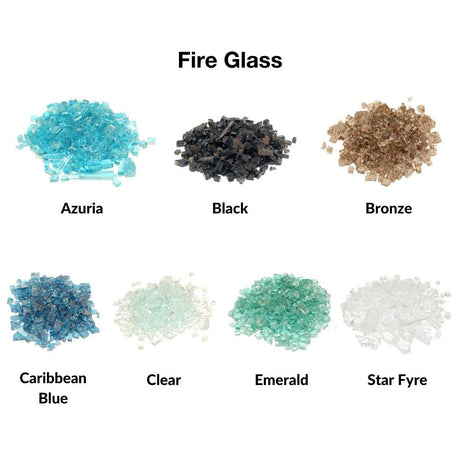
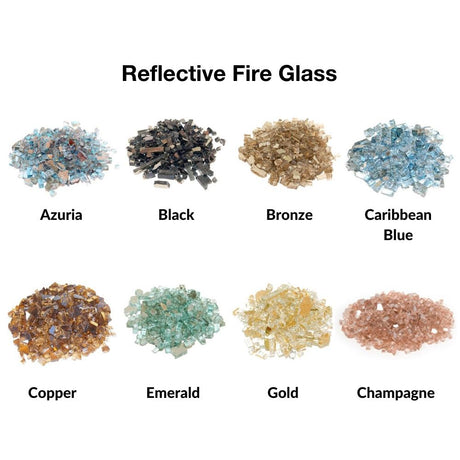
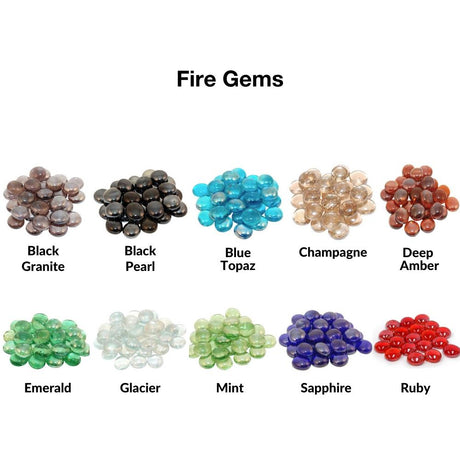
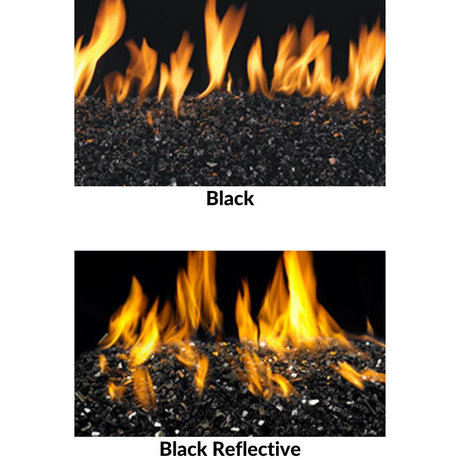
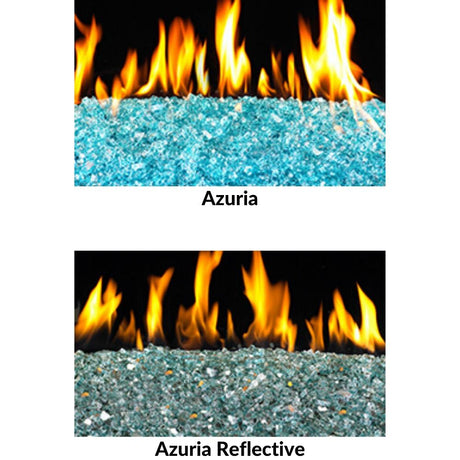
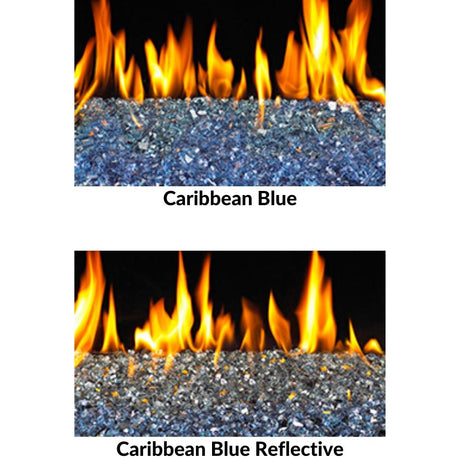
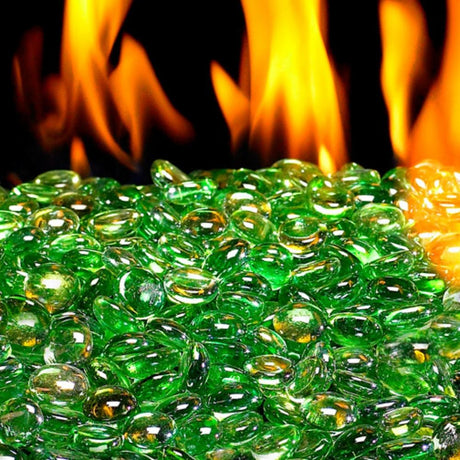
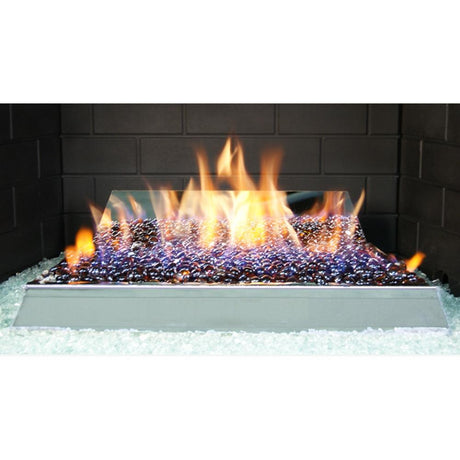
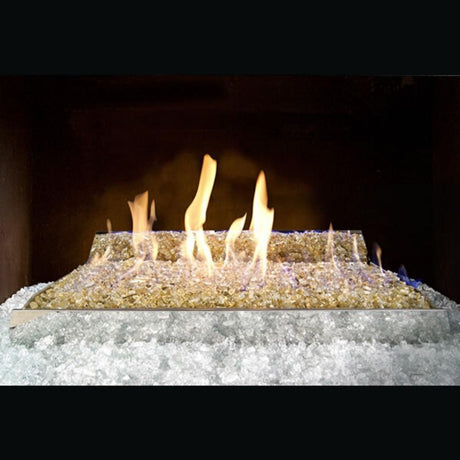
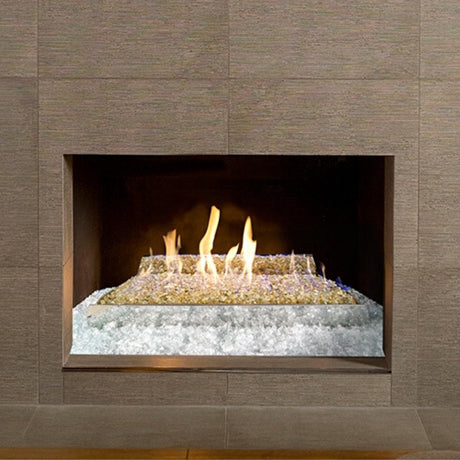
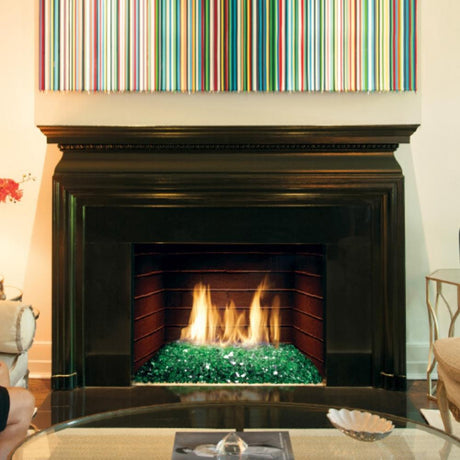
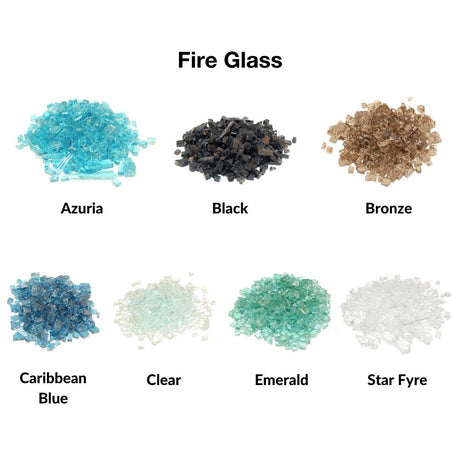
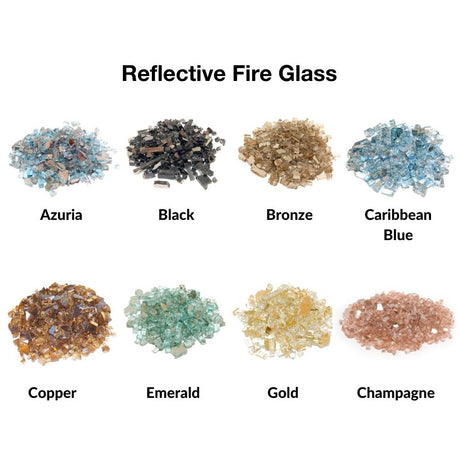
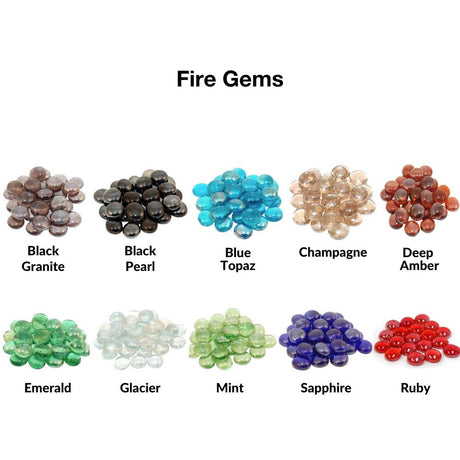
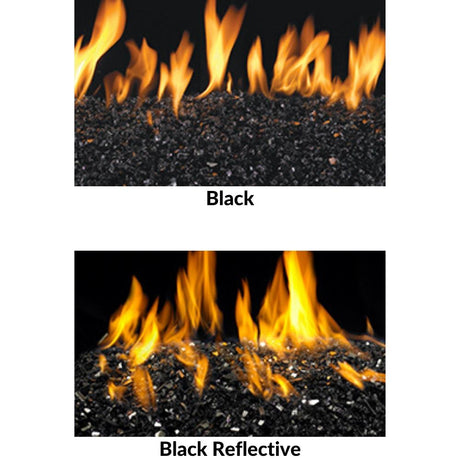
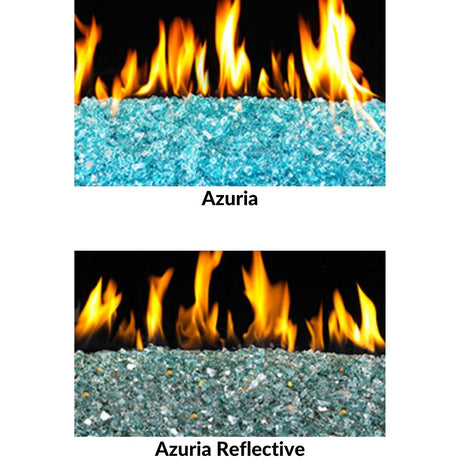
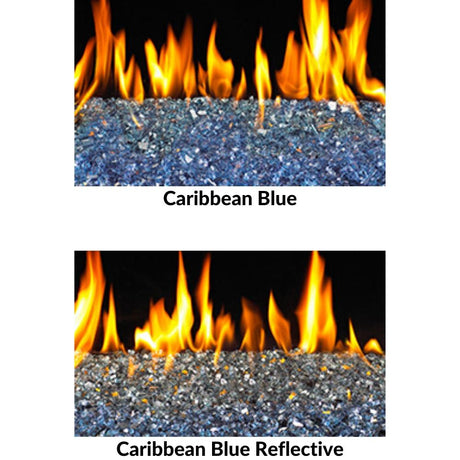
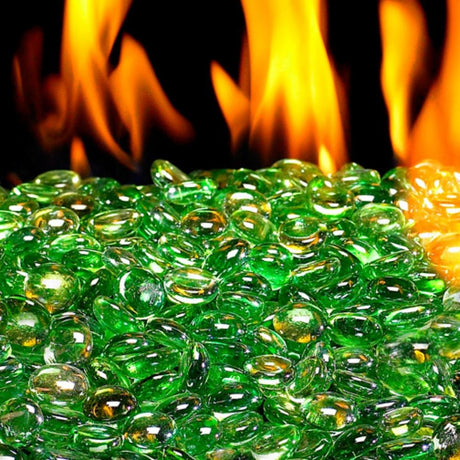


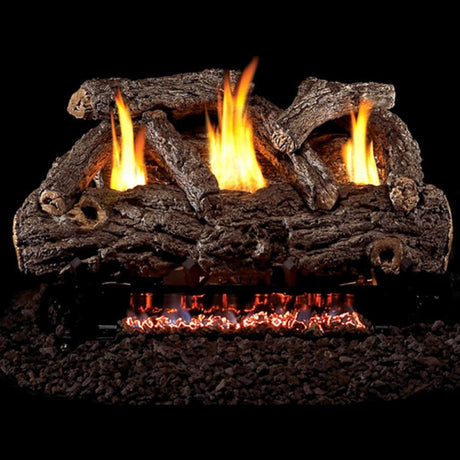
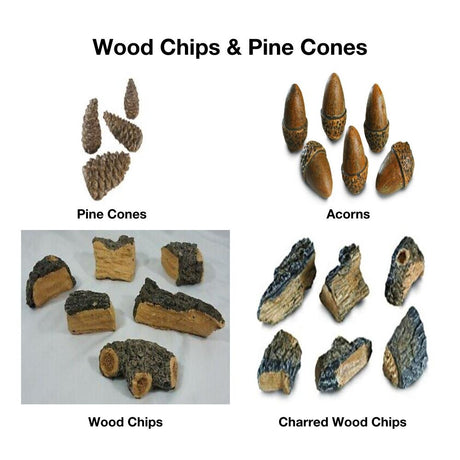
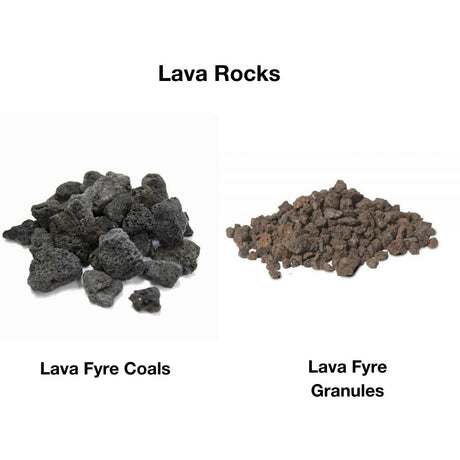

Ventless gas fireplace inserts are designed to upgrade an existing wood-burning fireplace into a clean, convenient, and efficient gas hearth without adding new venting. They slide into your existing firebox and connect to a gas line, letting you enjoy real flames, quick heat, and easy control with remotes or wall switches. This collection includes vent-free gas log inserts, contemporary burner inserts with fire glass, 2‑sided inserts, and complete systems that include a firebox, burner, and gas logs for a full ventless fireplace conversion.
What Is A Ventless Gas Fireplace Insert and How Does It Work?
The primary use case for a ventless gas fireplace insert is converting an existing, underused wood-burning fireplace into an efficient, low‑maintenance gas heater without adding a chimney liner or external vent. Homeowners who want real flames, better heat, and push‑button convenience often choose a no‑vent gas insert instead of rebuilding or fully remodeling their fireplace.
Ventless gas fireplace inserts are vent‑free appliances that draw combustion air from the room and exhaust the combustion byproducts back into the same space. To do this safely, they are engineered to burn gas very cleanly and include key safety components such as an Oxygen Depletion Sensor (ODS) that shuts off the burner if oxygen levels drop below a safe threshold. Many models also use specialized burner designs and, in some cases, catalytic or similar technologies to help reduce emissions and keep operation within strict safety limits. Place a simple diagram or labeled image here showing room air entering the burner, combustion occurring, and warm air returning to the room, along with the ODS sensor location.
Types of Ventless Gas Fireplace Inserts
In this collection, you’ll find several types of vent‑free gas fireplace inserts:
- Traditional ventless gas log inserts that preserve a classic log-and-flame look in a masonry fireplace
- Contemporary burner inserts with fire glass that create a modern, linear flame presentation
- 2‑sided ventless inserts that allow viewing from two rooms or two sides of the same space
- Complete systems that include a dedicated firebox plus a ventless log set and burner, ideal for framed‑in or remodel applications
Key Benefits for Homeowners (Why Buy Ventless?)
Ventless gas fireplace inserts are popular because they maximize usable heat and minimize renovation work. Since they do not vent outdoors, nearly all of the heat they produce stays in the room, making them an efficient source of supplemental heat compared with many vented options.
For many homes, a ventless fireplace conversion is appealing because it does not require relining a chimney, cutting a new vent, or adding complex venting components. Professional installation is typically faster and less invasive than a vented gas fireplace, and there is no ash, soot, or wood storage to manage. Homeowners who want more warmth, lower mess, and convenient controls often find a vent‑free fireplace insert to be a smart upgrade.
Ventless vs. Vented: Know the Difference
Both ventless and vented gas fireplace inserts upgrade an old wood-burning opening, but they serve slightly different priorities. Vented inserts (especially direct‑vent models) are usually chosen for the most realistic flame appearance and for sending combustion byproducts directly outside through a dedicated vent. They can be ideal when ambiance and a traditional fireplace feel are the top goals.
Ventless gas fireplace inserts, by contrast, are designed for maximum usable heat and installation flexibility. Because they do not require a chimney or direct vent, they can often be installed in existing fireplaces where adding a vent would be difficult or expensive. They prioritize high efficiency and simpler installation over a perfectly wood‑like flame pattern, making them a strong option when supplemental heat and ease of use rank highest.
Crucial Safety and Regulations
Safety and compliance are essential when considering any no‑vent gas insert. Ventless appliances are not legal in every state or city, and some jurisdictions (for example, California and certain parts of Massachusetts) restrict or prohibit their use. Customers should always check local building codes and regulations before purchasing a vent‑free fireplace insert and, when in doubt, consult local authorities or a licensed gas professional.
Modern ventless gas fireplace inserts are engineered with multiple safety features. All reputable units include an Oxygen Depletion Sensor (ODS) that continuously monitors oxygen levels in the room and automatically shuts off the gas if they fall below a safe threshold. Many manufacturers also specify minimum room sizes, maximum BTU limits, and recommended run times to help maintain indoor air quality and minimize moisture buildup. These units are rated and marketed as supplemental heat, not as a whole‑house primary heating system, and should be used according to the manufacturer’s instructions.
Installation: What to Expect
Ventless gas fireplace inserts simplify the upgrade process, but they still require proper installation to be safe and code‑compliant. Modern Blaze does not provide installation services, and that is intentional: these appliances should be installed and connected by a certified HVAC or gas professional who understands local code, gas line sizing, and clearances.
The typical installation process for a vent‑free fireplace insert includes verifying that your existing firebox and chimney are suitable for conversion, confirming that ventless units are allowed in your area, and running or adapting a gas line to the fireplace location. The installer will position the insert or complete system (for example, a framed‑in firebox with ventless logs), check clearances, connect the gas line, and test for leaks and proper burner performance. Compared with vented units, there is usually no need to cut an exterior vent or modify the chimney significantly, which is why many homeowners find ventless gas fireplace inserts to be a faster, cleaner upgrade path.
Best Ventless Gas Fireplace Insert for You
When choosing from this collection, consider how you use your fireplace and what look you want:
- If you have an existing masonry fireplace and want a traditional appearance, a ventless gas log insert is often the most natural fit.
- If your style is more modern, a contemporary burner insert with fire glass gives a clean, linear flame that pairs well with minimalist interiors.
- If your home layout allows for it, 2‑sided inserts can create a dramatic focal point between two rooms or along a feature wall.
- If you want an efficient system that provides maximum heat, choose a complete integrated system with a firebox, ventless burner, and a log set.
- If you are building out a new wall or fully remodeling, check our collection of ventless gas fireplaces that offer a complete turnkey solution.
Considering other insert options? Check out our collection of Fireplace Inserts,
Best Selling Ventless Gas Fireplace Inserts
-
Up to $245.70 off
Monessen Lumonessen Vent-Free Outdoor Gas Burner
Sale price $819.00 Regular price $1,064.70Unit price /Unavailable -
Up to $396.30 off
Real Fyre Split Oak Vent-Free Gas Log Set Insert
Sale price From $778.00 Regular price $1,011.40Unit price /Unavailable -
-
Up to $604.80 off
Real Fyre Charred Aged Split Oak Vent-Free Gas Log Set Insert
Sale price From $975.00 Regular price $1,267.50Unit price /Unavailable -
-
Up to $441.30 off
Grand Canyon Weathered Oak Vent-Free Indoor Gas Log
Sale price From $1,051.00 Regular price $1,366.30Unit price /Unavailable -
-
Up to $289.80 off
Real Fyre Valley Oak 9500 BTUs Vent-Free Gas Log Set Insert
Sale price From $557.00 Regular price $724.10Unit price /Unavailable -
-
Up to $604.80 off
Real Fyre Charred Alpine Birch Vent-Free Gas Log Set Insert
Sale price From $975.00 Regular price $1,267.50Unit price /Unavailable -
-
Up to $629.70 off
Monessen Solstice 33-Inch Ventless Gas Fireplace Insert with Firebox, Logs & Blower
Sale price From $1,999.00 Regular price $2,598.70Unit price /Unavailable -
-
Up to $557.40 off
Real Fyre Contemporary 30-Inch Vent-Free Gas Fire Glass Set Insert
Sale price $1,858.00 Regular price $2,415.40Unit price /Unavailable -
-
Up to $296.70 off
Monessen Lyric 24-Inch Vent-Free Gas Burner
Sale price $989.00 Regular price $1,285.70Unit price /Unavailable -
-
Up to $817.50 off
Empire Driftwood Burncrete Slope Glaze Vent-Free Gas Log
Sale price From $1,565.00 Regular price $2,347.50Unit price /Unavailable -
Up to $643.50 off
Real Fyre Evening Fyre Charred Vent-Free Gas Log Set Insert
Sale price From $1,107.00 Regular price $1,439.10Unit price /Unavailable -
-
Up to $441.30 off
Grand Canyon Red Oak Vent-Free Indoor Gas Log
Sale price From $1,051.00 Regular price $1,366.30Unit price /Unavailable -
-
Up to $350.70 off
Monessen Natural Blaze 27-Inch See-Through Gas Log
Sale price $1,169.00 Regular price $1,519.70Unit price /Unavailable -
-
Up to $1,034.50 off
Empire Innsbrook 31-Inch Ventless Gas Fireplace Insert with Firebox and Log Set
Sale price From $1,865.00 Regular price $2,797.50Unit price /Unavailable -
-
Up to $472.20 off
Real Fyre Golden Oak 24-Inch See-Through Vent-Free Gas Log Set Insert
Sale price $1,574.00 Regular price $2,046.20Unit price /Unavailable -
-
Up to $472.20 off
Real Fyre Split Oak 24-Inch See-Through Vent-Free Gas Log Set Insert
Sale price $1,574.00 Regular price $2,046.20Unit price /Unavailable -
-
Up to $632.40 off
Real Fyre Foothill Oak Vent-Free Gas Log Set Insert
Regular price From $1,089.00Unit price /Unavailable -
-
Up to $534.60 off
Real Fyre Contemporary 24-Inch Vent-Free Gas Fire Glass Set Insert
Sale price $1,782.00 Regular price $2,316.60Unit price /Unavailable -
-
Up to $622.80 off
Real Fyre Contemporary 24-Inch See-Through Vent-Free Gas Fire Glass Set Insert
Sale price $2,076.00 Regular price $2,698.80Unit price /Unavailable -
-
Up to $854.50 off
Empire Carol Rose Loft Outdoor Stainless Steel Gas Insert
Sale price From $1,605.00 Regular price $2,407.50Unit price /Unavailable -
-
Up to $1,202.50 off
Empire Innsbrook 28-Inch Ventless Gas Fireplace Insert with Firebox and Log Set
Sale price From $2,205.00 Regular price $3,307.50Unit price /Unavailable -
-
Up to $396.30 off
Real Fyre Golden Oak Designer Vent-Free Gas Log Set Insert
Sale price From $778.00 Regular price $1,011.40Unit price /Unavailable -
Frequently Asked Questions about Ventless Gas Fireplace Inserts
Is a ventless gas fireplace insert safe?
Is a ventless gas fireplace insert safe?
How much heat do ventless gas inserts put out?
How much heat do ventless gas inserts put out?
Can I install a ventless gas insert myself?
Can I install a ventless gas insert myself?
What states have banned ventless fireplaces?
What states have banned ventless fireplaces?
How do I measure my existing fireplace for a ventless insert?
How do I measure my existing fireplace for a ventless insert?
Can ventless gas inserts be used with propane or natural gas?
Can ventless gas inserts be used with propane or natural gas?