Gas Fire Pit Kits
A gas fire pit kit supplies the working parts, burner, pan and ignition, so you build the enclosure yourself in stone, block or concrete instead of buying a finished pit. This collection covers round, square and linear formats in natural gas and liquid propane, sized from small bowls to long architectural runs.
Authorized Dealer • Full Warranties • Free US Shipping
-
Get Expert Help
Need help choosing the right model?
Get expert guidance on fuel type, sizing, and installation.

 Sale
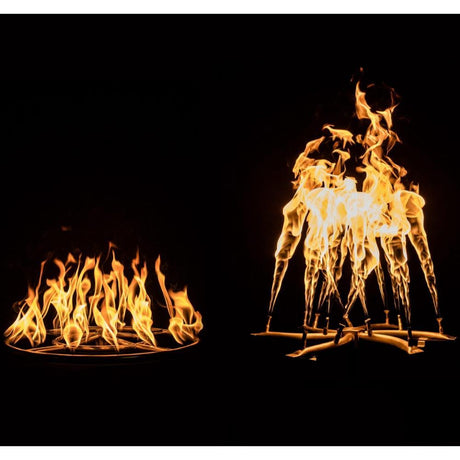
SaleGrand Canyon Outdoor Round Tall Stack Gas Log Burner
Sale priceFrom $438.00 Regular price $569.40Unit price
 Sale
SaleGrand Canyon Outdoor Tee-Pee Stack Gas Log Burner
Sale priceFrom $977.00 Regular price $1,270.10Unit price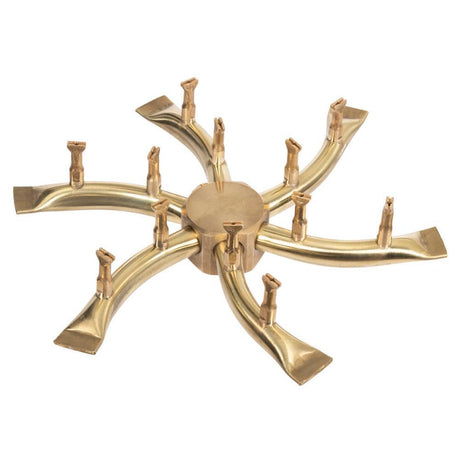
 Sale
SaleTop Fires Triple "S" Bullet Gas Burner - Match Lit, Sizes: 8" - 48" Diameter
Sale priceFrom $249.00 Regular price $273.00Unit price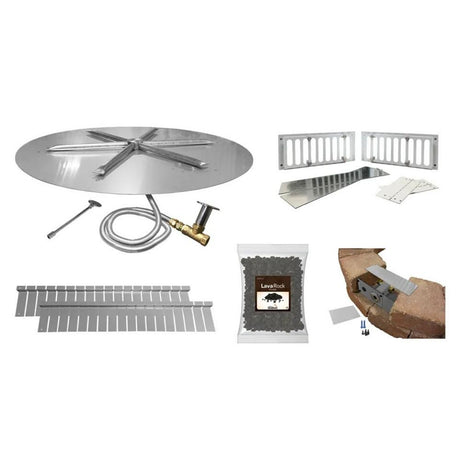
 Sale
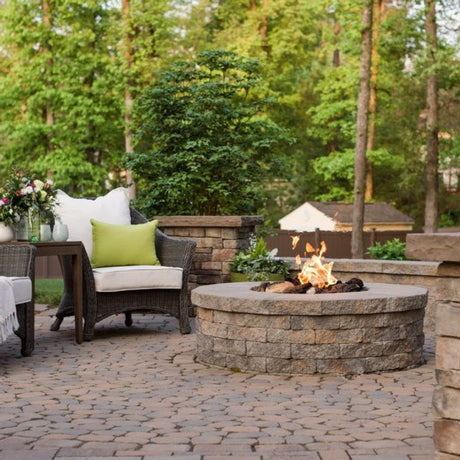
SaleFiregear DIY Fire Pit Kit - Round
Sale priceFrom $1,509.00 Regular price $1,961.70Unit price
 Sale
SaleGrand Canyon Outdoor Round Flat Stack Gas Log Burner
Sale priceFrom $345.00 Regular price $448.50Unit price
 Sale
SaleHPC Square Flat Gas Fire Pit Insert with Push Button Ignition
Sale priceFrom $1,569.40 Regular price $1,652.00Unit price
 Sale
SaleHPC Interlink Gas Fire Pit Insert with Hi/Lo Smart Electronic Ignition
Sale priceFrom $4,314.90 Regular price $4,542.00Unit price
 Sale
SaleHPC H-Burner Gas Fire Pit Insert with On/Off Electronic Ignition
Sale priceFrom $4,532.45 Regular price $4,771.00Unit price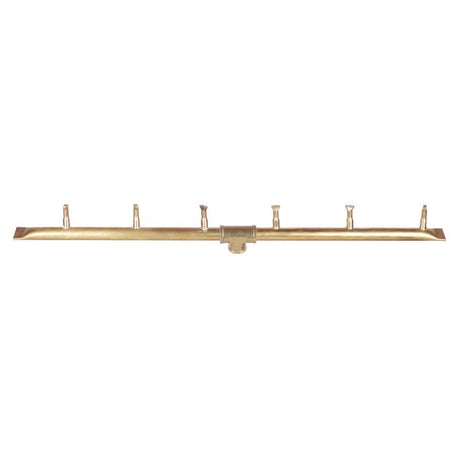
 Sale
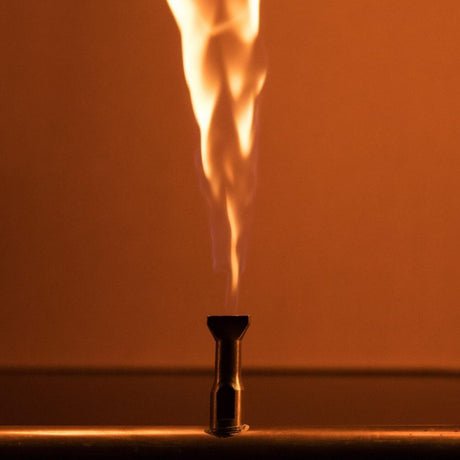
SaleTop Fires Linear Bullet Gas Burner - Match Lit, 18 to 96-Inch Long Sizes
Sale priceFrom $166.00 Regular price $182.00Unit price
 Sale
SaleHPC Round Bowl Gas Fire Pit Insert with Push-Button Ignition
Sale priceFrom $1,405.05 Regular price $1,479.00Unit price
 Sale
SaleHPC Interlink Gas Fire Pit Insert with Match Lit Ignition
Sale priceFrom $633.65 Regular price $667.00Unit price
 Sale
SaleHPC Interlink Gas Fire Pit Insert with Push Button Ignition
Sale priceFrom $1,686.25 Regular price $1,775.00Unit price
 Sale
SaleHPC Interlink Gas Fire Pit Insert with On/Off Electronic Ignition
Sale priceFrom $3,629.95 Regular price $3,821.00Unit price
 Sale
SaleHPC Linear Trough Gas Fire Pit Insert with Match Lit Ignition
Sale priceFrom $623.20 Regular price $656.00Unit price
 Sale
SaleHPC Linear Trough Gas Fire Pit Insert with Push Button Ignition
Sale priceFrom $1,770.80 Regular price $1,864.00Unit price
 Sale
SaleHPC Linear Trough Gas Fire Pit Insert with On/Off Electronic Ignition
Sale priceFrom $4,013.75 Regular price $4,225.00Unit price
 Sale
SaleHPC Linear Trough Gas Fire Pit Insert with Hi/Lo Smart Electronic Ignition
Sale priceFrom $4,710.10 Regular price $4,958.00Unit price
 Sale
SaleHPC H-Burner Gas Fire Pit Insert with Match Lit Ignition
Sale priceFrom $977.55 Regular price $1,029.00Unit price
 Sale
SaleHPC H-Burner Gas Fire Pit Insert with Push Button Ignition
Sale priceFrom $2,237.25 Regular price $2,355.00Unit price
 Sale
SaleHPC H-Burner Gas Fire Pit Insert with Hi/Lo Smart Electronic Ignition
Sale priceFrom $5,217.40 Regular price $5,492.00Unit price
 Sale
SaleHPC Square Flat Gas Fire Pit Insert with Match Lit Ignition
Sale priceFrom $605.15 Regular price $637.00Unit price
 Sale
SaleHPC Square Flat Gas Fire Pit Insert with On/Off Electronic Ignition and Torpedo Burner
Sale priceFrom $4,030.85 Regular price $4,243.00Unit price


Gas fire pit kits supply the working parts and leave the enclosure to you. A burner, a pan to hold it and the media, and an ignition system, designed to drop into a structure you build from stone, block, concrete or a custom surround.
When a kit is the right answer
When the fire feature has to match something else. A finished fire pit is a product you place on a patio. A kit is a component you design around, which is what lets the enclosure use the same stone as the paving, sit at a height chosen for your seating, or run as a long linear feature along a retaining wall.
If none of that matters, a finished gas fire pit is less work and arrives ready to use. The kit route is for a designed installation, and it makes you responsible for the enclosure and the gas connection.
Formats
Round burners suit a classic bowl or a circular seating group. Square and rectangular pans fit block-built enclosures with the least cutting. Linear runs give the long, low flame line that suits contemporary hardscape and reads well along a wall or a pool edge. Sizes here run from compact bowls to architectural lengths.
Two things the enclosure must get right
Clearance. Manufacturers publish a required gap between the burner pan and the inside faces of the enclosure. It is not a tolerance, it is combustion air and heat management. Size the burner to your opening minus that clearance, and confirm the number before any block is laid, because a masonry enclosure is expensive to correct.
Ventilation. The enclosure needs vents, positioned as the manufacturer specifies. They let combustion air reach the burner and let leaked gas escape rather than collect, which matters most with propane because it is heavier than air and pools. A sealed box around a gas burner is dangerous, not merely inefficient.
Fuel, ignition, and who does the work
Choose natural gas or propane at purchase rather than converting later, since conversion changes the orifice and generally voids the warranty if done in the field. Propane additionally needs a ventilated tank space designed into the enclosure.
Ignition ranges from match lit, which is simplest and cheapest, through push-button spark, to full electronic systems with flame sensing that shut the gas off if the flame goes out. For an installation that will run unattended or in a commercial setting, electronic with flame sensing is worth the difference.
The gas connection is licensed work in most places. Plan on a licensed gas fitter for the line and the pressure test, whoever builds the enclosure.
Finishing the build? See fire glass for burner media, and fire pit accessories for covers and controls. Read the ultimate fire pit buying guide if you are still weighing a kit against a finished pit.
Frequently Asked Questions about Gas Fire Pit Kits
What comes in a gas fire pit kit?
What comes in a gas fire pit kit?
Why buy a kit instead of a finished fire pit?
Why buy a kit instead of a finished fire pit?
Do I need a professional to install one?
Do I need a professional to install one?
Can a kit be used with propane instead of natural gas?
Can a kit be used with propane instead of natural gas?
What size burner do I need for my enclosure?
What size burner do I need for my enclosure?
Does the enclosure need ventilation?
Does the enclosure need ventilation?
-
 Sale
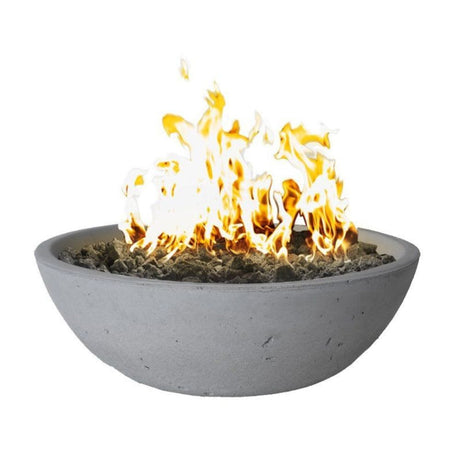
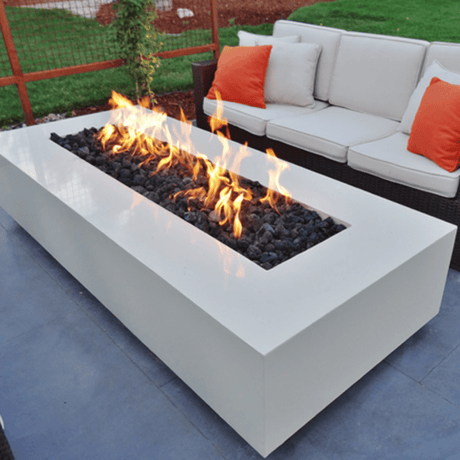
SaleModern Blaze Smooth Outdoor Gas Fire Bowl
6 colors available
Sale priceFrom $2,069.32 Regular price $2,690.11Unit price -
 Sale
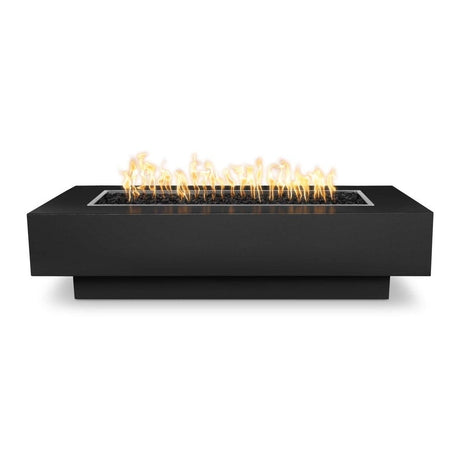
SaleTop Fires Coronado 15-Inch Tall Powder Coated Steel Gas Fire Pit - Match Lit
4 colors available
Sale priceFrom $3,050.00 Regular price $3,355.00Unit price -

 Sale
SaleThe Fire Pit Gallery 37-Inch Up North Steel Fire Pit
Sale price $2,600.00 Regular price $3,380.00Unit price -
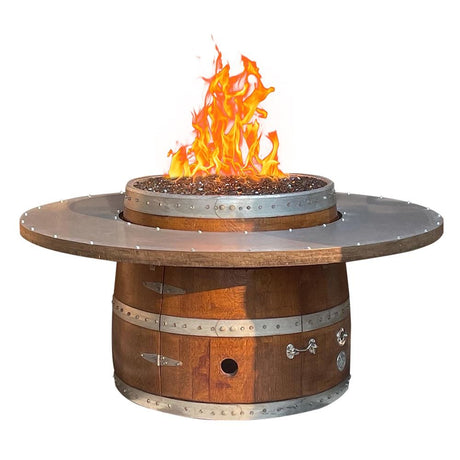

Wine Barrel Dude Coffee Table 46-Inch Wooden Gas Fire Pit Table
Regular price $1,898.00Unit price -
 Customers' FavoriteSale
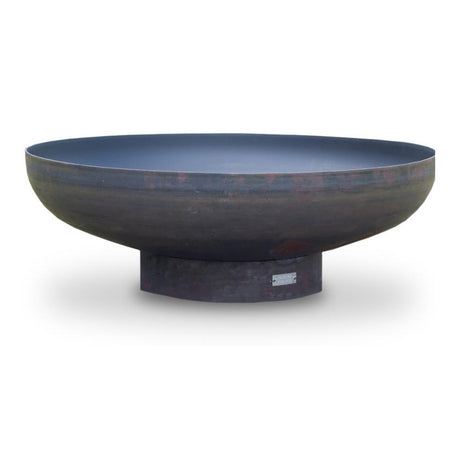
Seasons Fire Pits Elliptical Freestanding Outdoor Wood Burning Fire Pit
Sale priceFrom $1,550.00 Regular price $2,015.00Unit price -
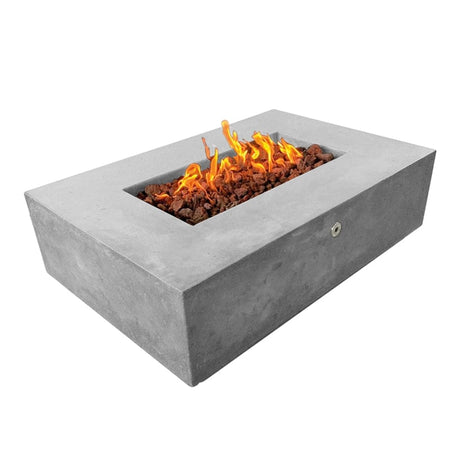
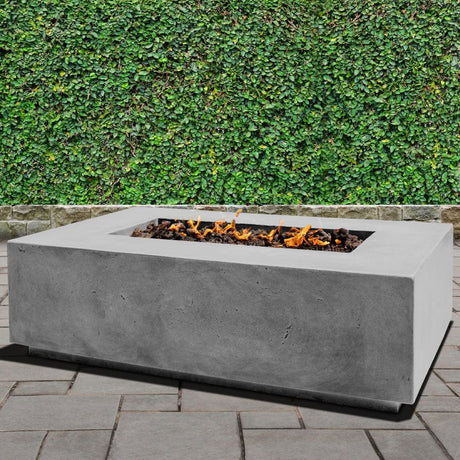
Stonelum Manhattan 01 53-Inch Rectangular Concrete Gas Fire Pit Table
4 colors available
Regular price $2,990.00Unit price -


Stonelum Indiana 01 47-Inch Round Concrete Gas Fire Pit Table
4 colors available
Regular price $2,890.00Unit price -
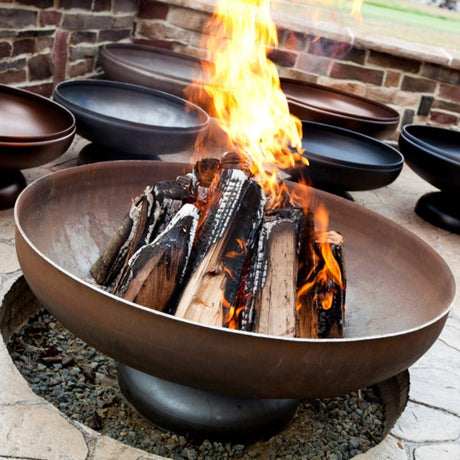
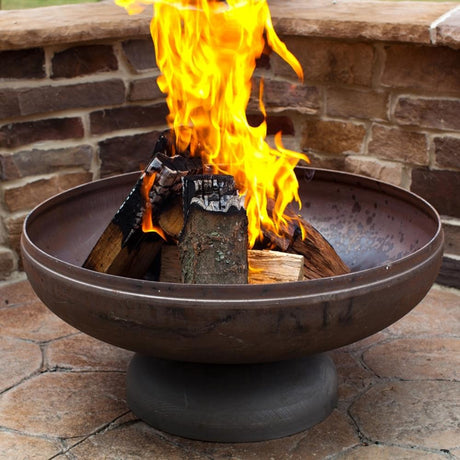
Ohio Flame Patriot Round Steel Fire Pit
Regular priceFrom $324.94Unit price -
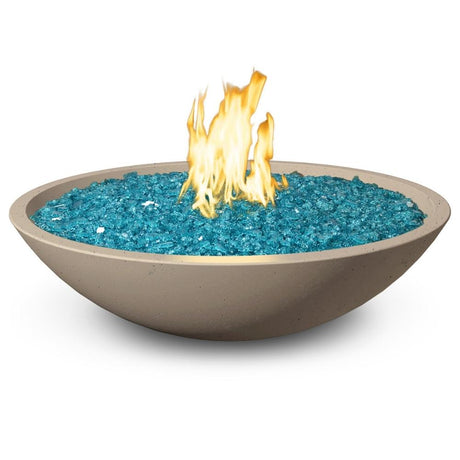
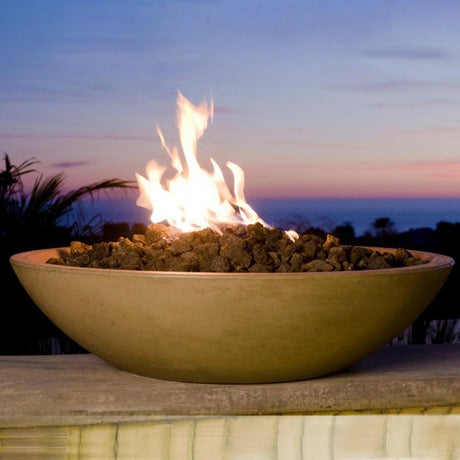
American Fyre Designs Marseille 32-Inch Round Concrete Gas Fire Bowl
4 colors available
Regular price $2,245.00Unit price -
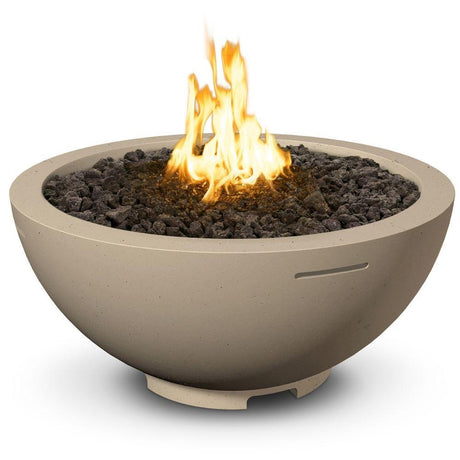
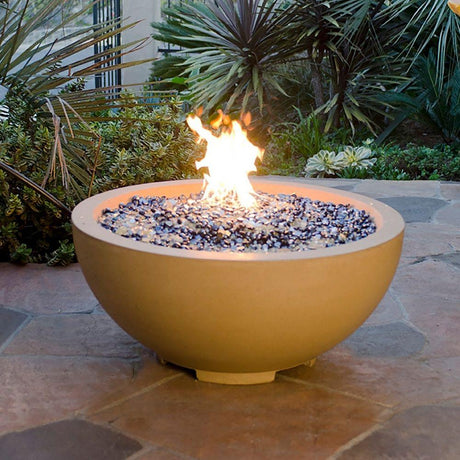
American Fyre Designs 32-Inch Round Concrete Gas Fire Bowl
4 colors available
Regular priceFrom $2,549.00Unit price -
 Sale
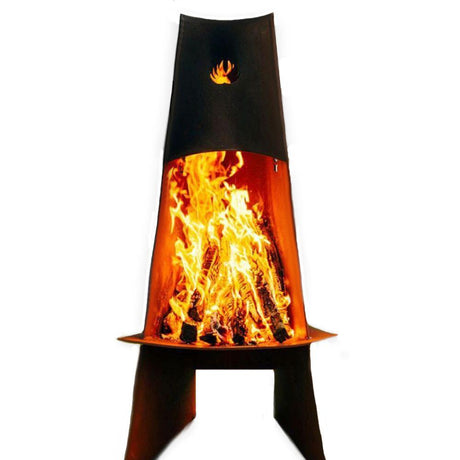
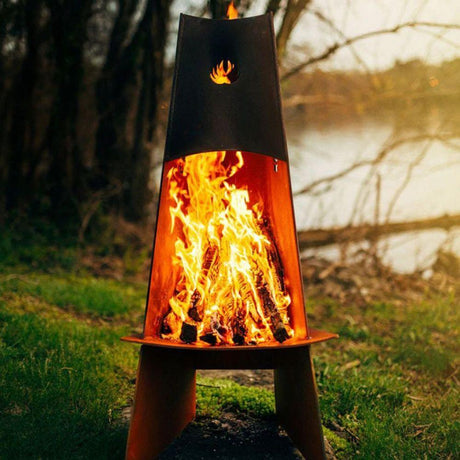
SaleFire Pit Art Vesuvius 21-Inch Handcrafted Carbon Steel Fire Pit (VES)
Sale price $2,254.00 Regular price $2,930.20Unit price -
 Sale
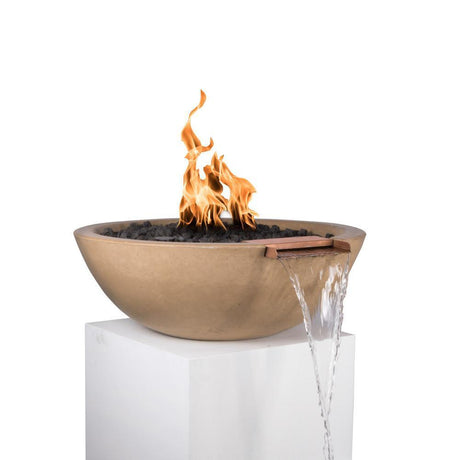
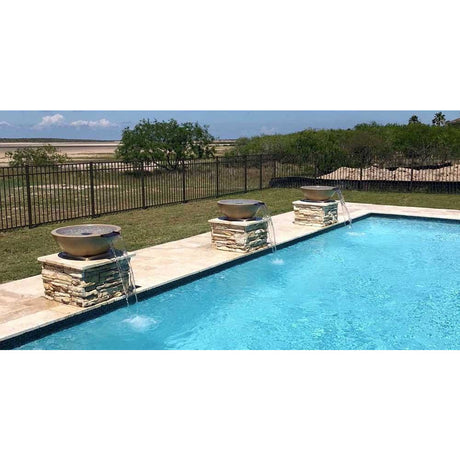
SaleTop Fires Sedona 33-Inch Round Concrete Gas Fire and Water Bowl - Electronic (OPT-33RFWE)
5 colors available
Sale price $4,737.00 Regular price $5,148.00Unit price -
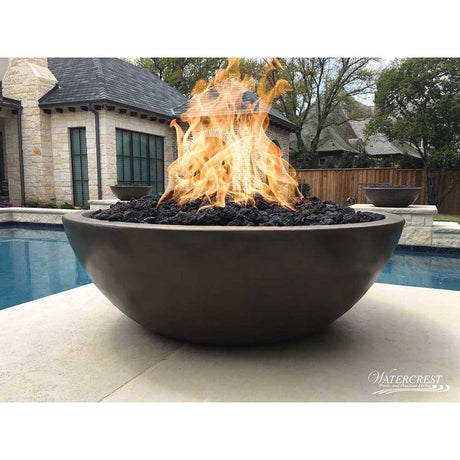 Sale
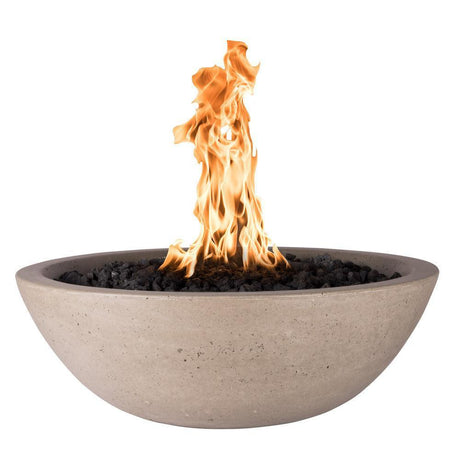
SaleTop Fires Sedona 33-Inch Round Concrete Gas Fire Bowl - Electronic (OPT-33RFOE)
5 colors available
Sale price $4,205.00 Regular price $4,570.00Unit price -
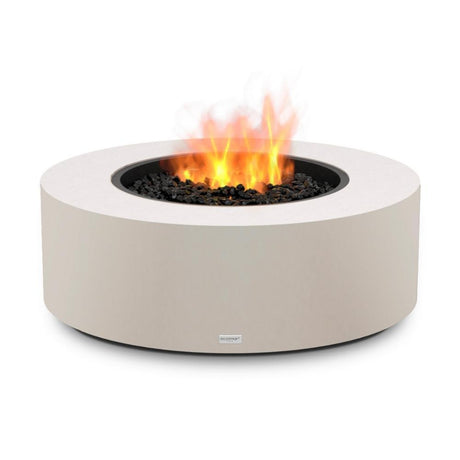
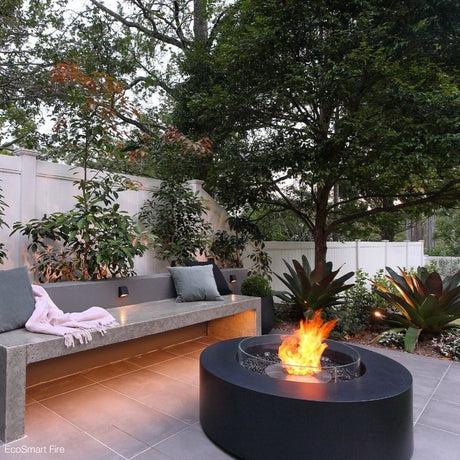
EcoSmart Fire Ark 39-Inch Round Concrete Fire Pit Table
4 colors available
Regular priceFrom $2,995.00Unit price -
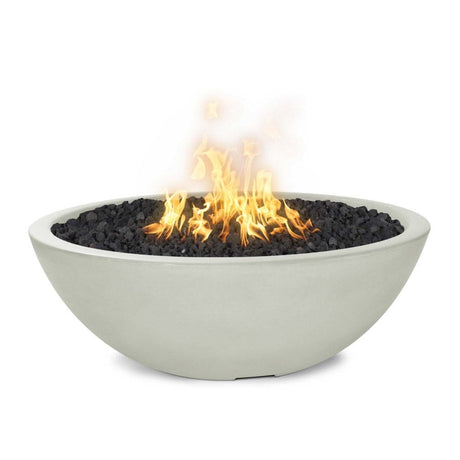
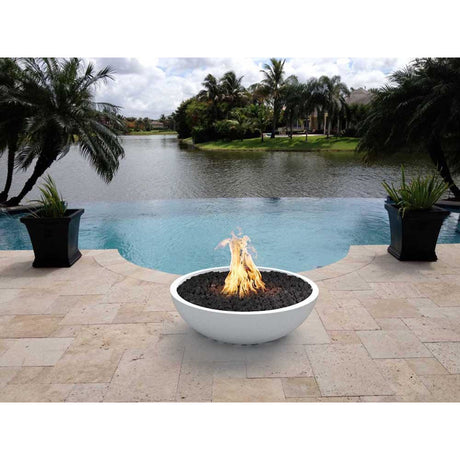 Sale
SaleTop Fires Sedona 48-Inch Round GFRC Gas Fire Pit - Match Lit (OPT-SED48)
5 colors available
Sale price $3,141.00 Regular price $3,414.00Unit price -
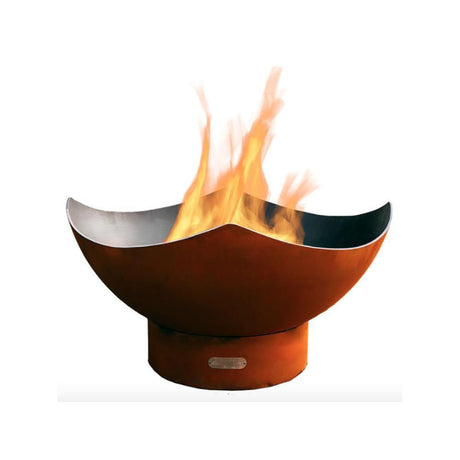
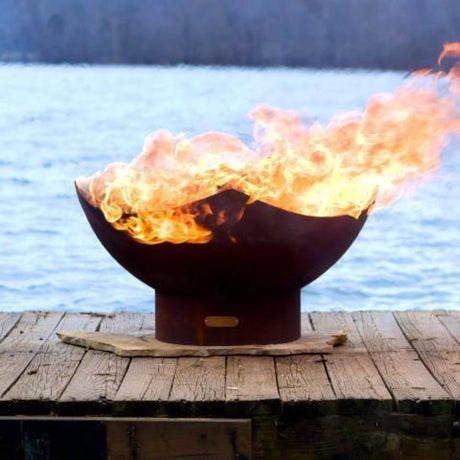 Sale
SaleFire Pit Art Manta Ray 36-Inch Handcrafted Carbon Steel Fire Pit (MR)
Sale price $1,264.00 Regular price $1,643.20Unit price -
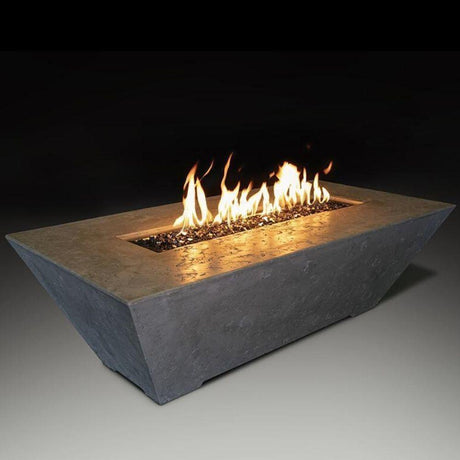
 Sale
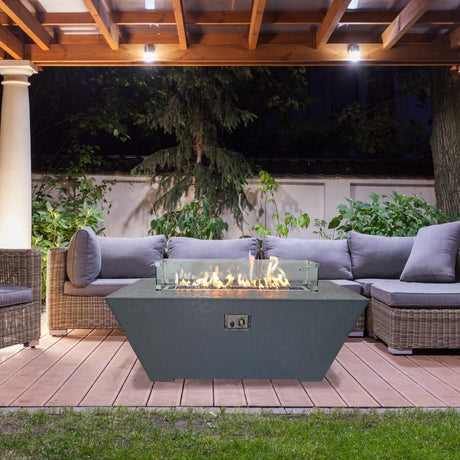
SaleAthena Olympus Rectangular Concrete Gas Fire Pit Table
5 colors available
Sale priceFrom $3,831.00 Regular price $4,980.30Unit price -
 Sale
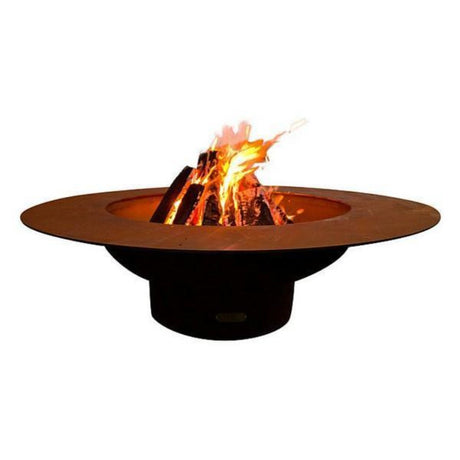
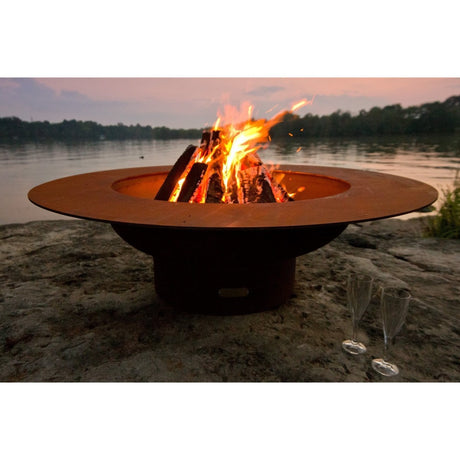
SaleFire Pit Art Magnum 54-Inch Handcrafted Carbon Steel Fire Pit (MAG)
Sale priceFrom $2,750.00 Regular price $3,575.00Unit price -
 Sale
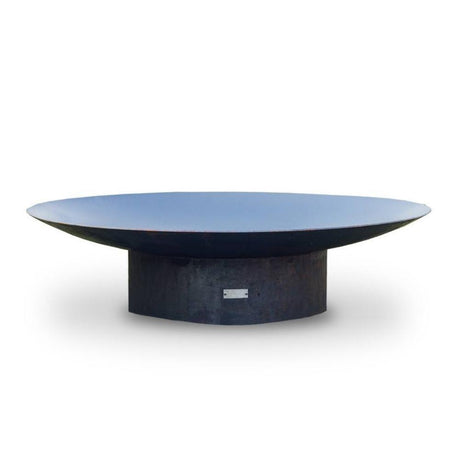
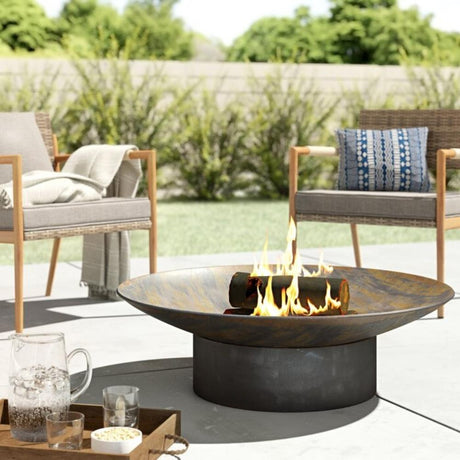
SaleSeasons Fire Pits Concave Round Steel Fire Pit
Sale priceFrom $1,550.00 Regular price $2,015.00Unit price -
 Sale
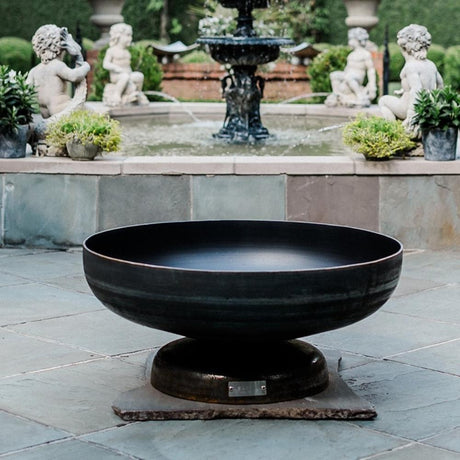
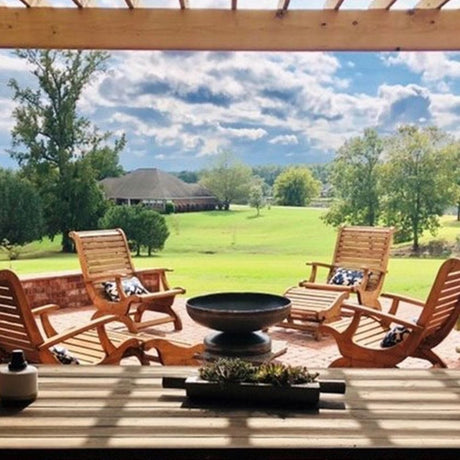
SaleSeasons Fire Pits Vulcan Round Steel Fire Pit
Sale priceFrom $1,650.00 Regular price $2,145.00Unit price -
 Sale
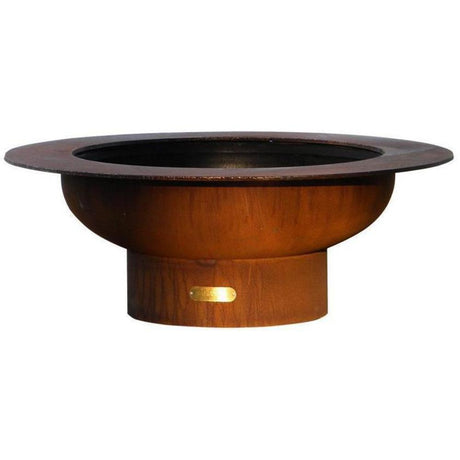
SaleFire Pit Art Saturn 40-Inch Handcrafted Carbon Steel Fire Pit (SAT)
Sale priceFrom $1,958.00 Regular price $2,545.40Unit price -
 Sale
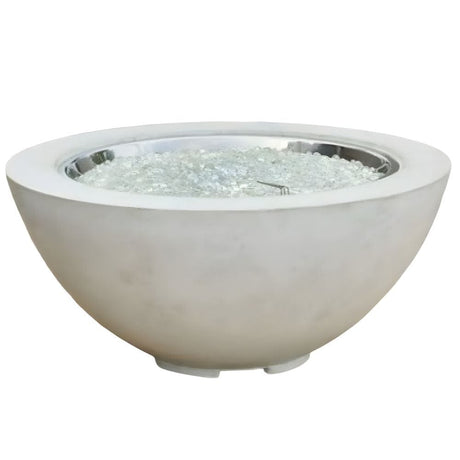
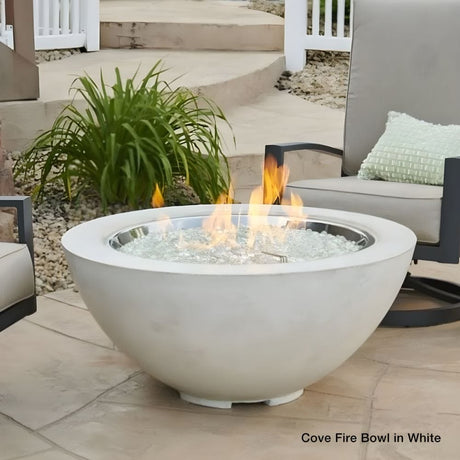
SaleThe Outdoor GreatRoom Company Cove 42-Inch Round Gas Fire Bowl
Sale price $4,199.00 Regular price $5,458.70Unit price -
 Sale
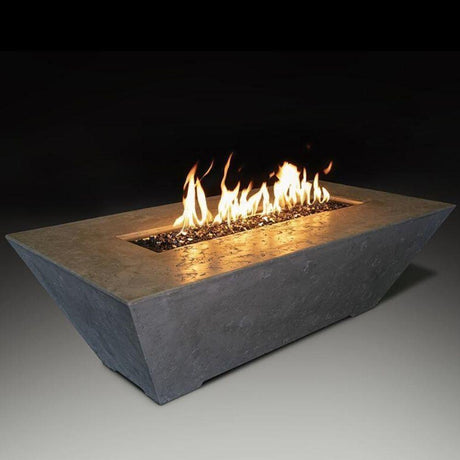
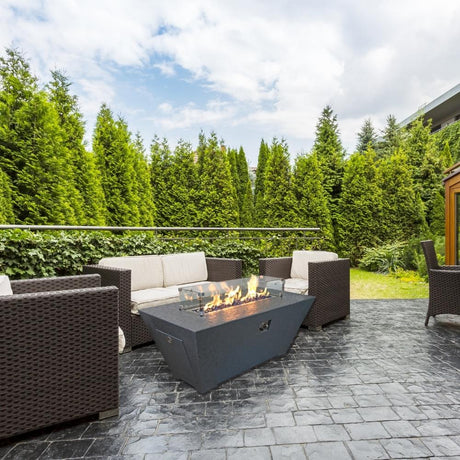
SaleAthena Olympus Rectangular Concrete LP Fire Pit Table with Access Door
5 colors available
Sale priceFrom $4,341.00 Regular price $5,643.30Unit price -
 Sale
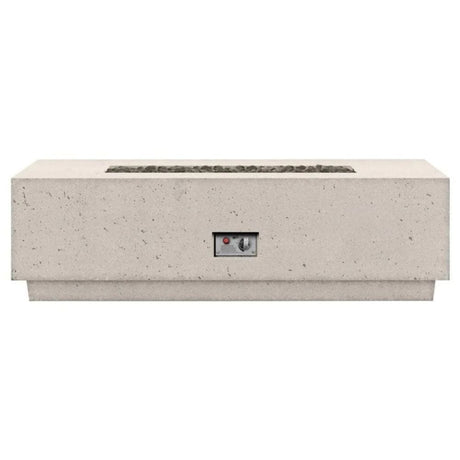
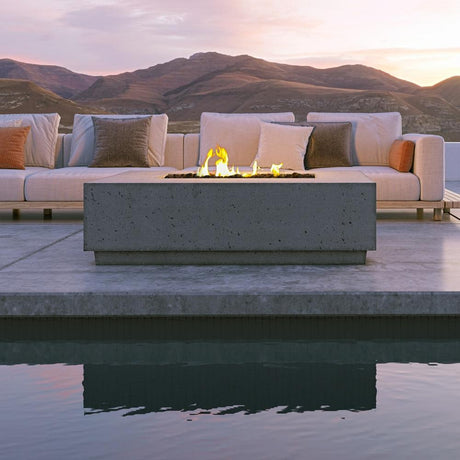
SaleFiregear Sanctuary Rectangular Concrete Gas Fire Pit Table
4 colors available
Sale priceFrom $3,708.00 Regular price $4,820.40Unit price