
If you have an old masonry fireplace that is no longer in use, it often acts as a source of drafts, allowing heated air to escape your home.
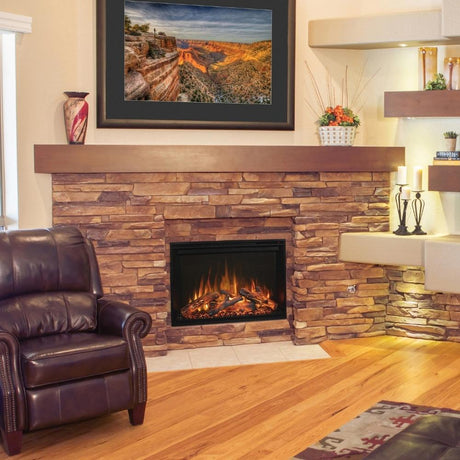
Reviving your hearth doesn't require a full renovation. By choosing a fireplace insert, log set, or built-in firebox, you can transform an empty opening into an efficient heat source or a stunning visual centerpiece. In this guide, we compare the different technologies available—from high-output gas to the latest in ultra-realistic water vapor.
Don't feel like reading? Watch our expert overview:
Understanding the Categories
To choose the right product, it’s important to distinguish between these three common solutions:
- Fireplace Inserts: Self-contained, sealed units designed to slide into a masonry opening to improve heating efficiency.
- Log Sets: Individual burner or electric components that sit inside the existing hearth; primarily for aesthetics and supplemental warmth.
- Built-in Fireboxes: Fully framed units that can be used for new construction or major fireplace retrofits.
1. Innovation Pick: Water Vapor Fireplace Inserts
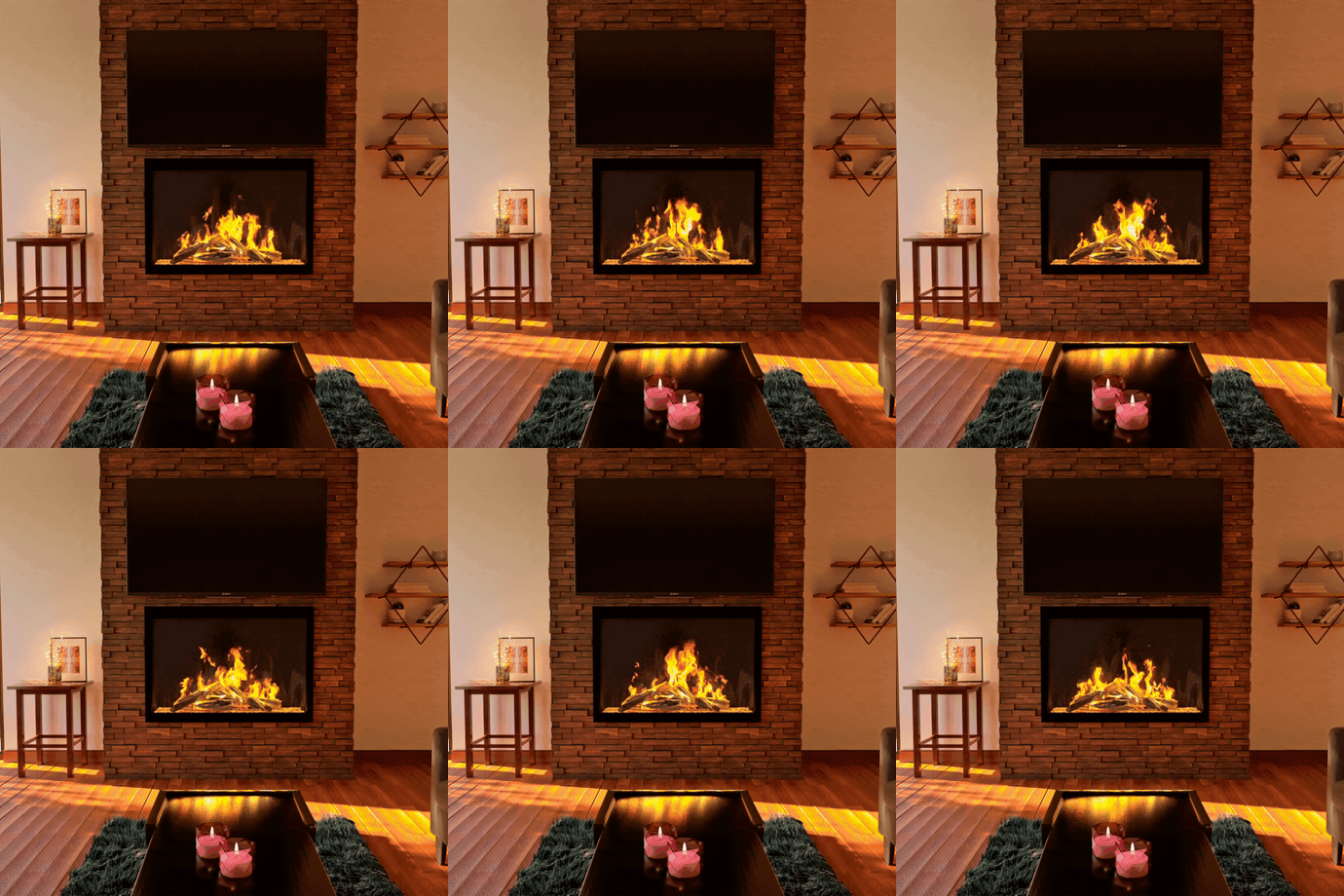
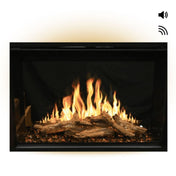
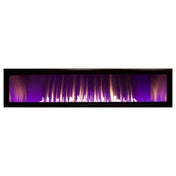
For those seeking the most realistic flame illusion without the requirements of a gas line or venting, water vapor fireplace inserts are a top-tier choice. These units use ultrasonic technology to create a fine mist that, when illuminated, mimics the appearance of real fire.
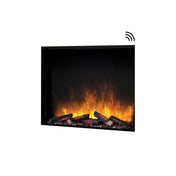
Featured: Dimplex Opti-myst® Revive 25-Inch Vapor Insert
The Dimplex Opti-myst Revive is specifically designed to retrofit old fireplaces. While the "flames" are actually a cool-to-the-touch mist, the unit includes an integrated fan-forced electric heater to provide supplemental warmth.
- Realistic Visuals: The mist creates a 3D flame effect that can be viewed from any angle.
- Safe Ambiance: The flame effect itself is heat-free, making it safe around curious pets. (Note: The heater vent will get warm during operation).
- Flexible Installation: Typically requires a standard 120V outlet and a water source (refillable reservoir).
2. Gas Fireplace Inserts (High Heat Output)
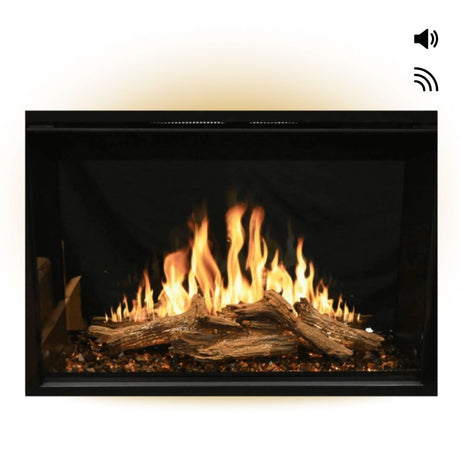
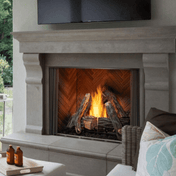
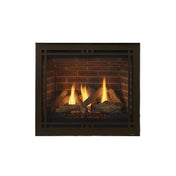
If primary heating is your goal, a gas fireplace insert is often the most effective solution. These units, like the Empire Rushmore Direct Vent Gas Fireplace Insert, are designed to be highly efficient, converting a large percentage of fuel into usable room heat.

Key Considerations:
- Ventless vs. Vented: Ventless gas inserts are highly efficient but are subject to local building codes and room-size requirements. Vented models require a chimney or flue.
- Professional Installation: Gas units must be installed by a qualified professional (such as a licensed gas fitter or fireplace technician) to ensure safety and code compliance.
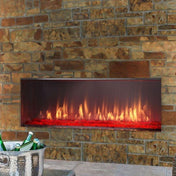
- Control: Most modern units, like the Monessen Solstice Direct Vent Gas Fireplace Insert, offer remote control and thermostat compatibility for precise temperature management.
3. Electric Fireplace Inserts & Log Sets
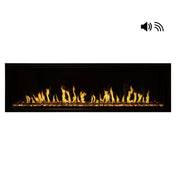
Electric options are frequently chosen for their ease of use and versatility. Because they do not require venting, they can be installed in almost any masonry fireplace with access to power.

Electric Log Sets: These are often the most DIY-friendly option, simply sitting on the floor of the fireplace and plugging into a standard outlet. Units like the Dimplex Revillusion provide a realistic glowing ember bed and supplemental heat.
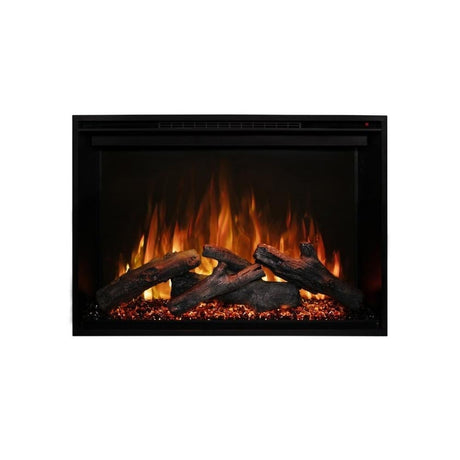
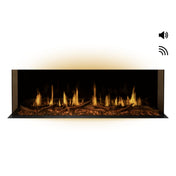
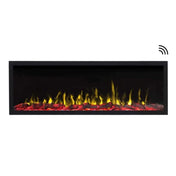
Electric Fireplace Inserts: These units, like Modern Flames Orion Traditional, offer a more "finished" built-in look but may require minor trim work or hardwiring, depending on the model.
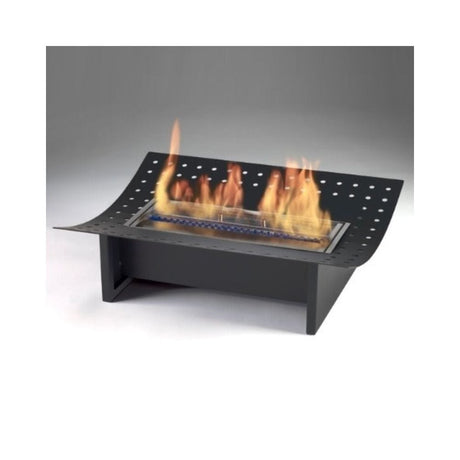
4. Ethanol Fireplace Grates
Ethanol grates provide real flames without the need for a gas line or chimney. They burn bio-ethanol fuel, which is a clean-burning alcohol.
Pros: Portable, no permanent installation, and zero soot or ash.
Cons: Lower heat output than gas; produces carbon dioxide and water vapor as byproducts, so moderate room ventilation is recommended.
5. A Note on Wood-Burning Inserts
Traditional wood-burning inserts are capable of very high heat output. However, they are generally less convenient than modern alternatives. They require consistent ash removal, annual chimney inspections to prevent creosote buildup, and have a higher impact on indoor air quality. For those seeking a cleaner, lower-maintenance experience, gas or electric alternatives are typically preferred.
Comparison Table: Selecting Your Insert
| Technology | Primary Benefit | Heat Type | Install Level |
|---|---|---|---|
| Water Vapor | Ultra-Realism | Supplemental (Electric) | Moderate (DIY) |
| Gas | Maximum Warmth | High (Convection/Radiant) | Professional Only |
| Electric | Convenience | Supplemental (Electric) | Easy (DIY) |
Unsure which insert fits your opening? Our team can help you navigate sizing and local requirements. Call us at 866-713-2399 or email support@modernblaze.com.