Natural Gas Fireplaces
A natural gas fireplace runs on the gas line that already serves your home, so there is no tank to refill and no delivery to schedule. This collection spans vent-free, direct vent and vented models, from built-in fireboxes and inserts to gas log sets and outdoor fireplaces.
Authorized Dealer • Full Warranties • Free US Shipping


-
Get Expert Help
Need help choosing the right model?
Get expert guidance on fuel type, sizing, and installation.
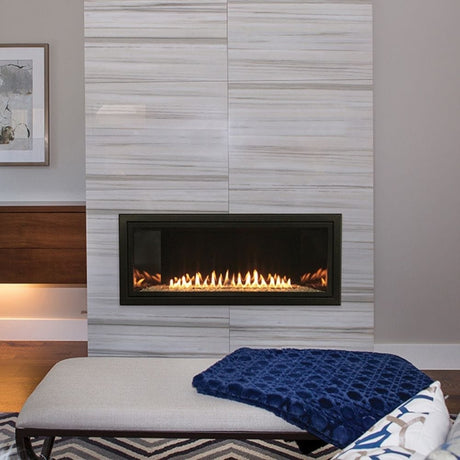 Most InstalledSale
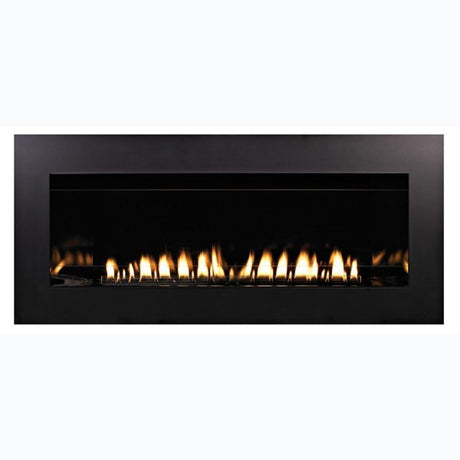
Empire Boulevard 36-Inch/48-Inch Linear Vent-Free Gas Fireplace
Sale priceFrom $3,005.00 Regular price $3,906.50Unit price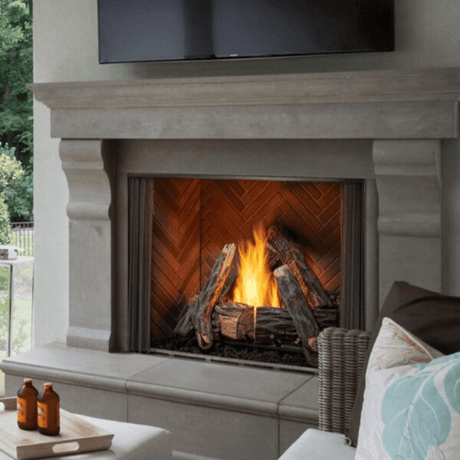
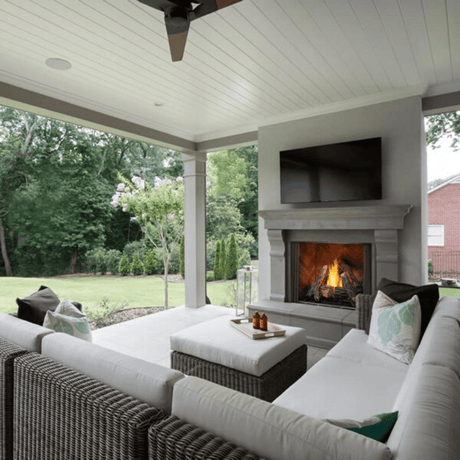 Sale
SaleMajestic Courtyard Vent-Free Outdoor Natural Gas Fireplace
Sale priceFrom $2,699.00 Regular price $3,508.70Unit price
 Sale
SaleMonessen Lumonessen Ventless Outdoor Gas Burner
Sale price $849.00 Regular price $1,103.70Unit price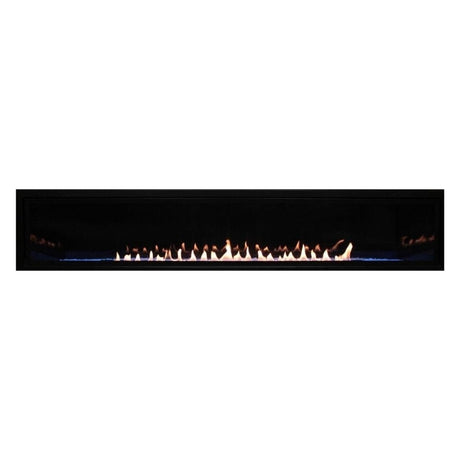
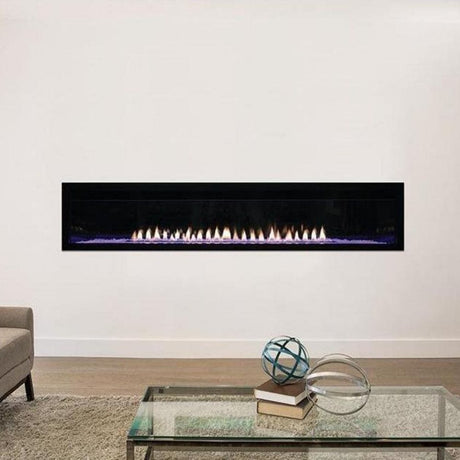 Best LinearSale
Empire Boulevard 72-Inch Linear Vent-Free Gas Fireplace
Sale price $7,069.00 Regular price $9,189.70Unit price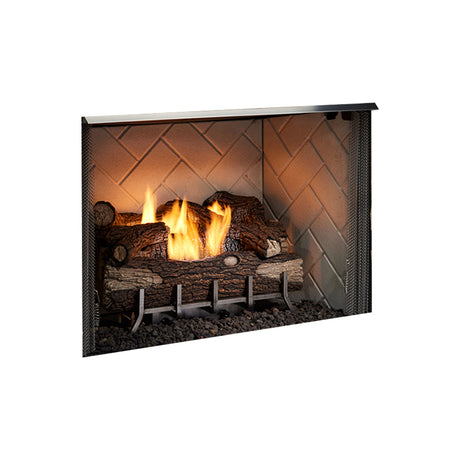 Sale
SaleMajestic Vesper 42-Inch Outdoor Ventless Gas Fireplace
Sale priceFrom $1,959.00 Regular price $2,546.70Unit price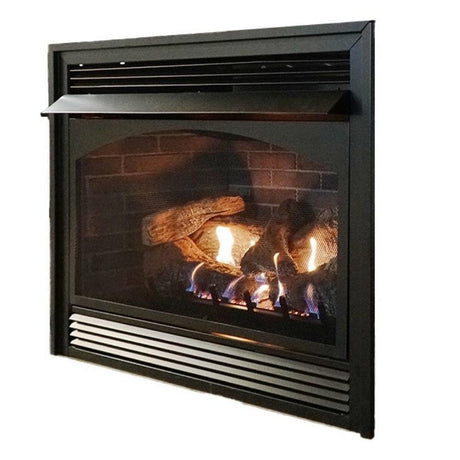
 Sale
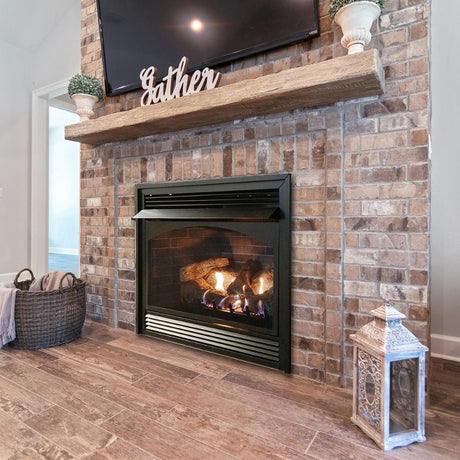
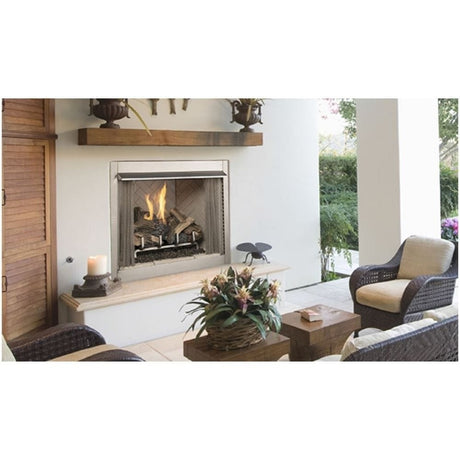
SaleEmpire Vail 36 Premium Vent-Free Gas Fireplace
Sale priceFrom $2,059.00 Regular price $2,676.70Unit price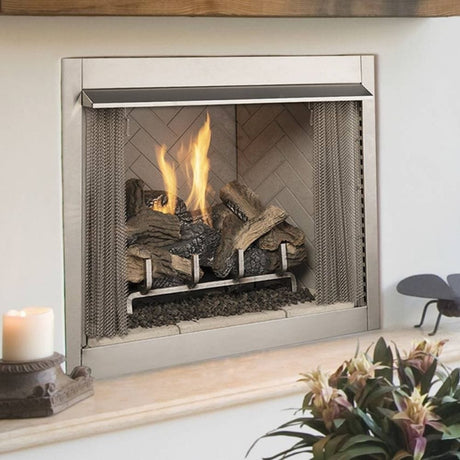
 Sale
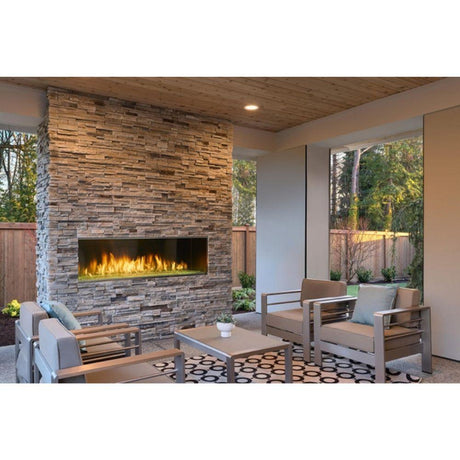
SaleSuperior VRE3200 Vent-Free Outdoor Gas Fireplace
Sale priceFrom $3,899.00 Regular price $5,068.70Unit price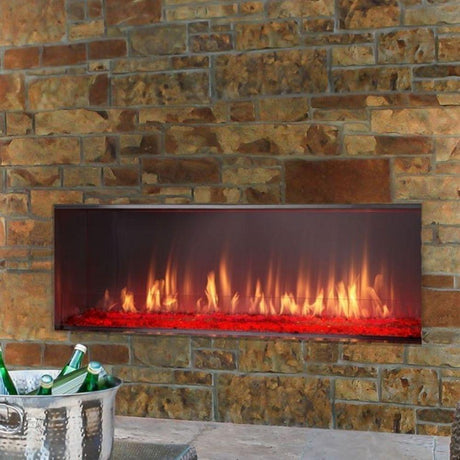
 Sale
SaleMajestic Lanai Vent-Free Outdoor Natural Gas Fireplace
Sale priceFrom $4,639.00 Regular price $6,030.70Unit price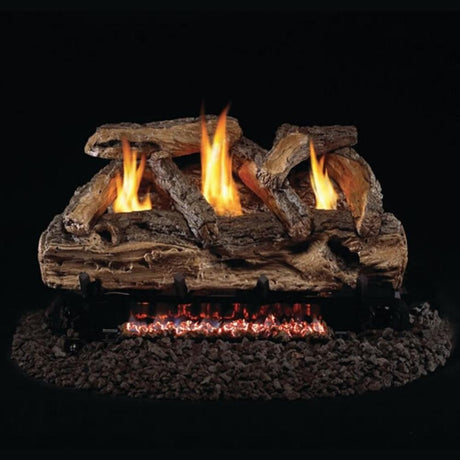
 Sale
SaleReal Fyre Split Oak Vent-Free Gas Log Set Insert
Sale priceFrom $801.00 Regular price $1,041.30Unit price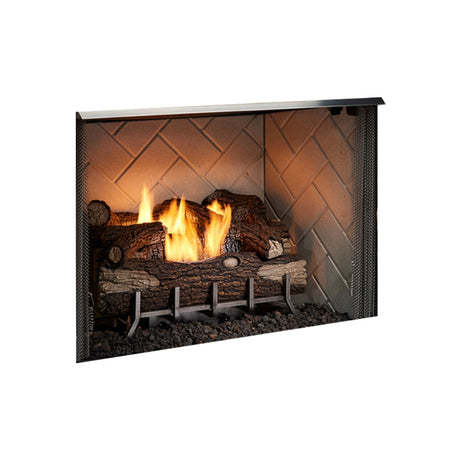 Sale
SaleMajestic Vesper 36-Inch Vent-Free Outdoor Gas Fireplace
Sale priceFrom $1,369.00 Regular price $1,779.70Unit price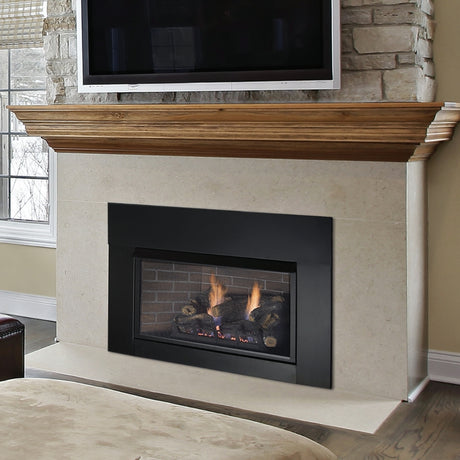
 Sale
SaleMonessen Solstice 33-Inch Ventless Gas Fireplace Insert with Firebox, Logs & Blower
Sale priceFrom $2,049.00 Regular price $2,663.70Unit price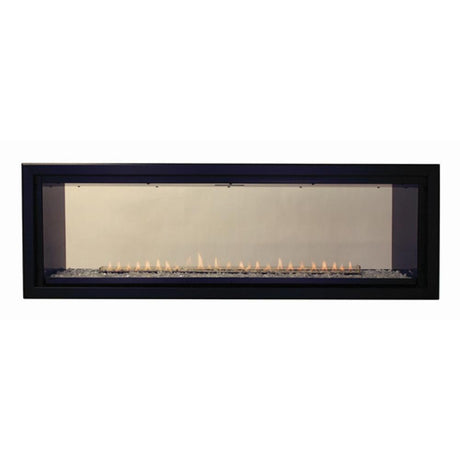
 Sale
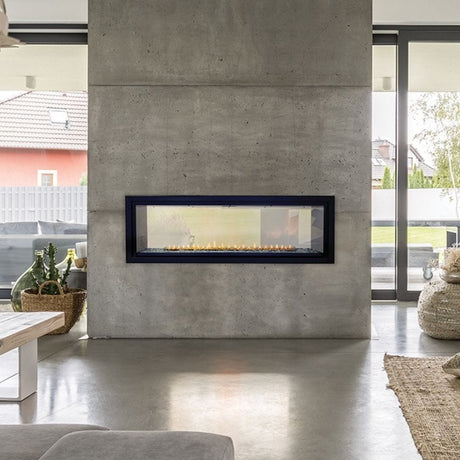
SaleEmpire Boulevard 48-Inch Linear Vent-Free See-Through Gas Fireplace
Sale price $3,769.00 Regular price $4,899.70Unit price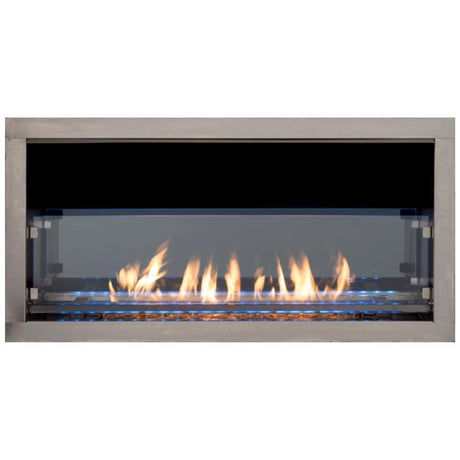
 Sale
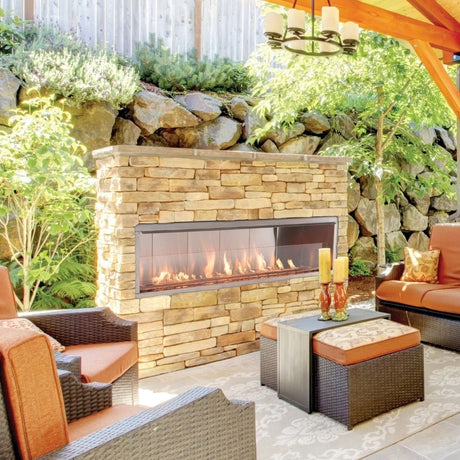
SaleSuperior Linear Vent-Free Outdoor Gas Fireplace - Optional See-Through
Sale priceFrom $5,659.00 Regular price $7,356.70Unit price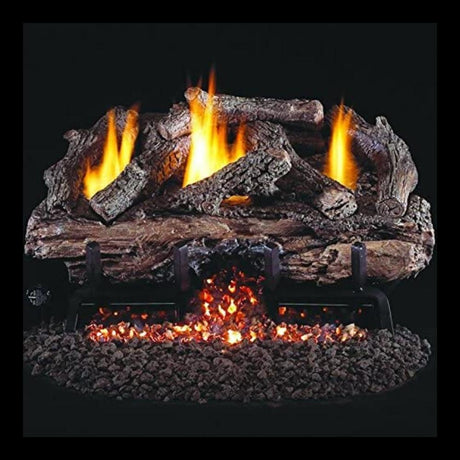
 Sale
SaleReal Fyre Charred Aged Split Oak Vent-Free Gas Log Set Insert
Sale priceFrom $1,004.00 Regular price $1,305.20Unit price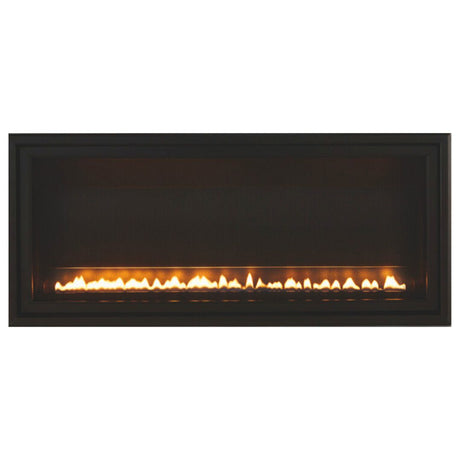
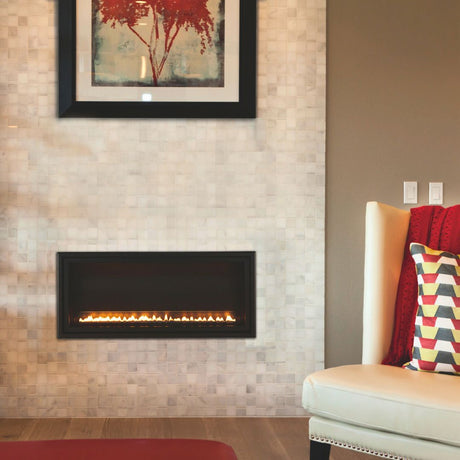 Easy InstallationSale
Empire Boulevard SL: 30-Inch Wall Mounted/Recessed Ventless Gas Fireplace
Sale price $2,319.00 Regular price $3,014.70Unit price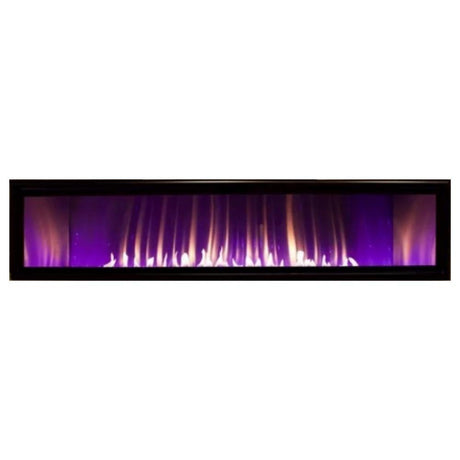
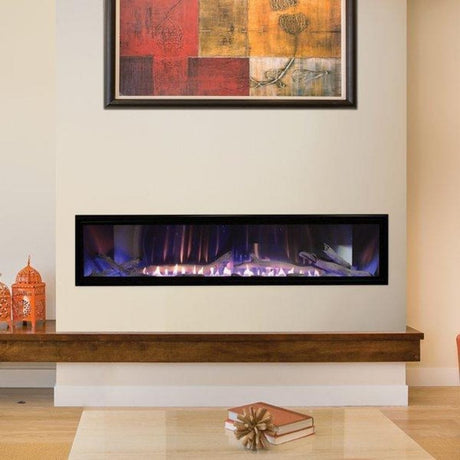 Sale
SaleEmpire Boulevard 60-Inch Linear Vent-Free Gas Fireplace
Sale price $5,299.00 Regular price $6,888.70Unit price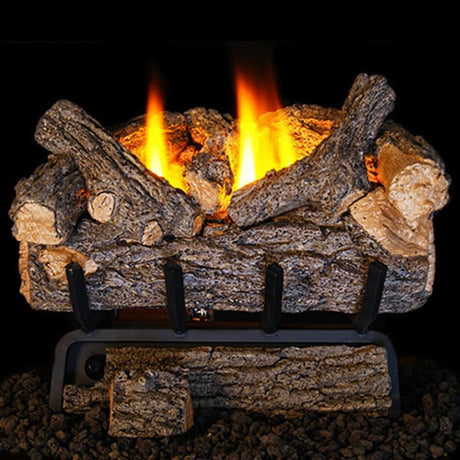
 Sale
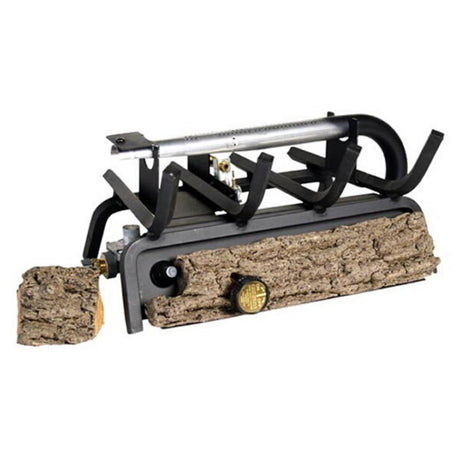
SaleReal Fyre Valley Oak 9500 BTUs Vent-Free Gas Log Set Insert
Sale priceFrom $574.00 Regular price $746.20Unit price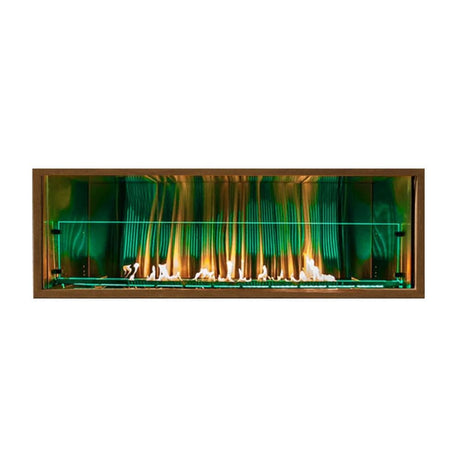
 Sale
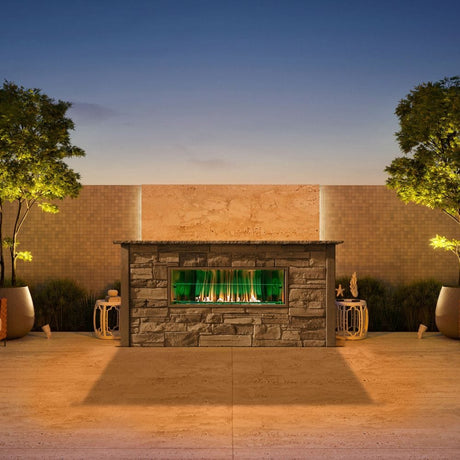
SaleFiregear Kalea Bay Outdoor Linear Vent Free Gas Fireplace with LED Lights
Sale priceFrom $4,299.00 Regular price $5,588.70Unit price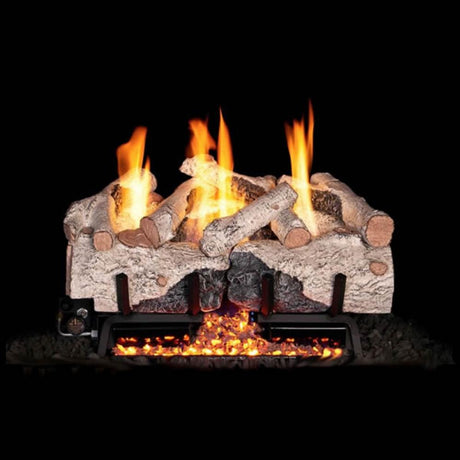
 Sale
SaleReal Fyre Charred Alpine Birch Vent-Free Gas Log Set Insert
Sale priceFrom $1,004.00 Regular price $1,305.20Unit price
 Sale
SaleEmpire Vail 32 Premium Vent-Free Gas Fireplace
Sale priceFrom $1,799.00 Regular price $2,338.70Unit price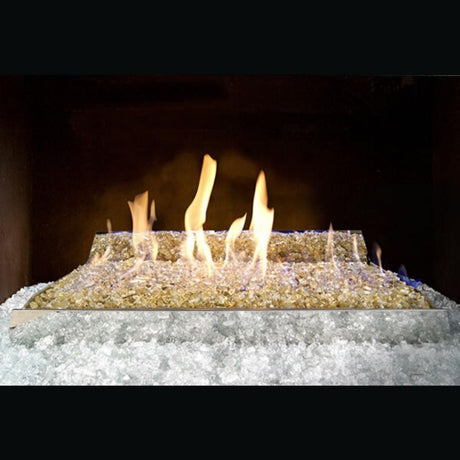
 Sale
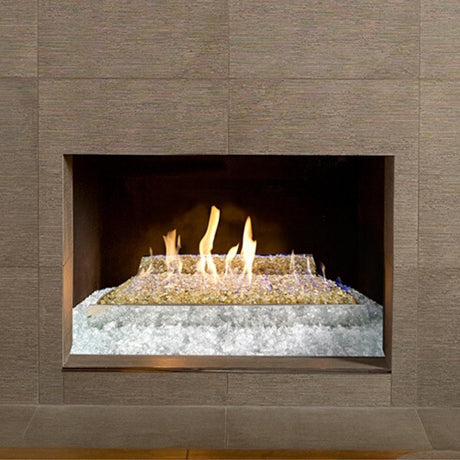
SaleReal Fyre Contemporary 30-Inch Vent-Free Gas Fire Glass Set Insert
Sale price $1,914.00 Regular price $2,488.20Unit price
 Sale
SaleEmpire Innsbrook 31-Inch Ventless Gas Fireplace Insert with Firebox and Log Set
Sale priceFrom $1,899.00 Regular price $2,468.70Unit price


Frequently Asked Questions about Natural Gas Fireplaces
Do all gas fireplaces and inserts come in both natural gas and propane?
Do all gas fireplaces and inserts come in both natural gas and propane?
Can you convert a natural gas fireplace to propane?
Can you convert a natural gas fireplace to propane?
Does a natural gas fireplace put out more heat than propane?
Does a natural gas fireplace put out more heat than propane?
Does a natural gas fireplace need a chimney?
Does a natural gas fireplace need a chimney?
Are vent-free natural gas fireplaces allowed everywhere?
Are vent-free natural gas fireplaces allowed everywhere?
Who should install a natural gas fireplace?
Who should install a natural gas fireplace?
-
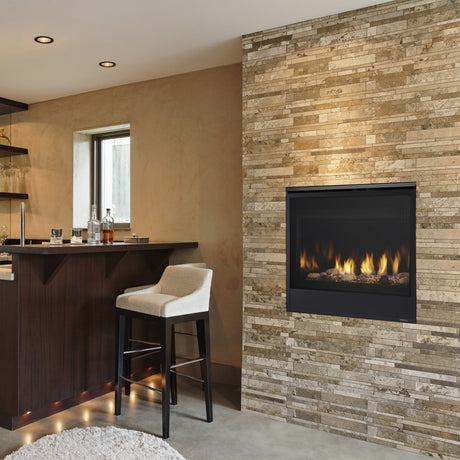 Sale
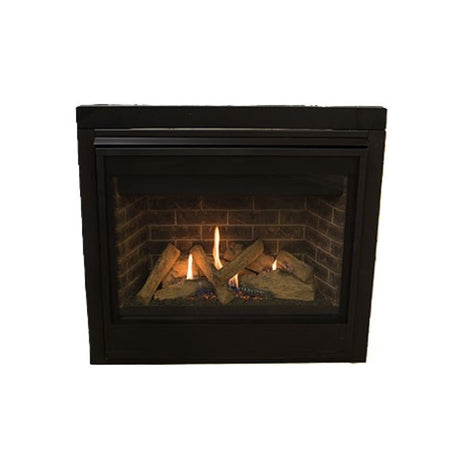
SaleMajestic Quartz Direct Vent Gas Fireplace
Sale priceFrom $2,359.00 Regular price $3,066.70Unit price -

 Sale
SaleEmpire Tahoe Luxury Traditional Direct Vent Gas Fireplace
Sale priceFrom $4,069.00 Regular price $5,289.70Unit price -

 Sale
SaleEmpire Tahoe Premium Traditional Direct Vent Gas Fireplace
Sale priceFrom $2,319.00 Regular price $3,014.70Unit price -
 Sale
SaleEmpire Tahoe Deluxe Traditional Direct Vent Gas Fireplace
Sale priceFrom $1,729.00 Regular price $2,247.70Unit price -
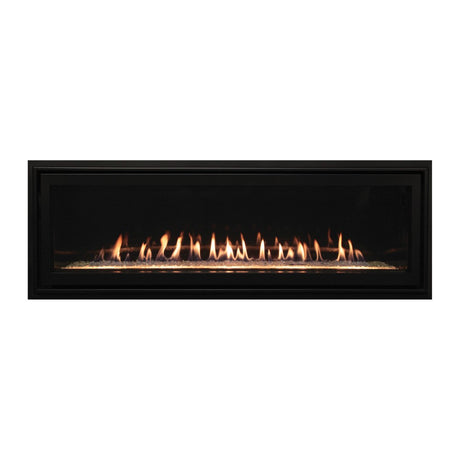
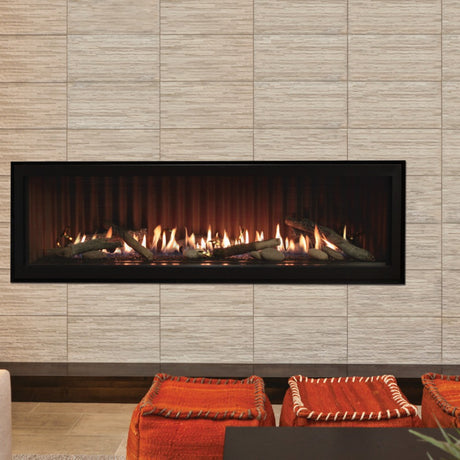 Sale
SaleEmpire Boulevard 60-Inch/72-Inch Linear Direct Vent Gas Fireplace
Sale priceFrom $6,989.00 Regular price $9,085.70Unit price -
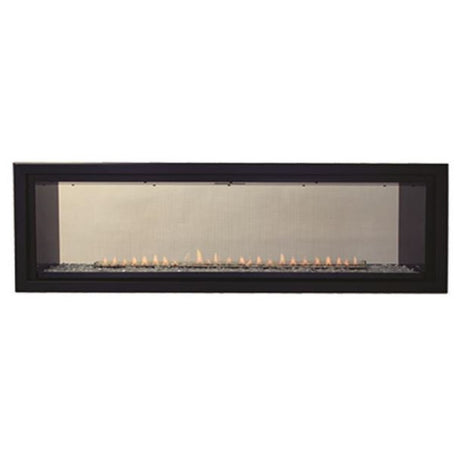
 Sale
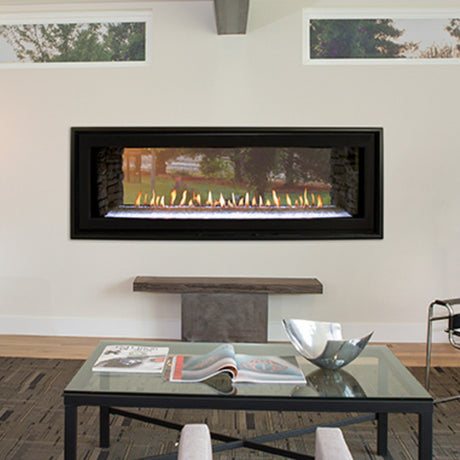
SaleEmpire Boulevard 48-Inch See-Through Direct Vent Gas Fireplace
Sale price $8,539.00 Regular price $11,100.70Unit price -
 Sale
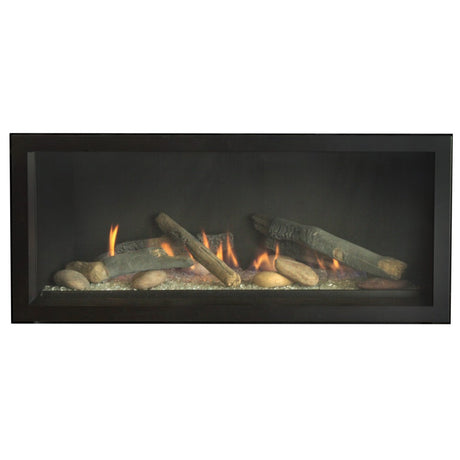
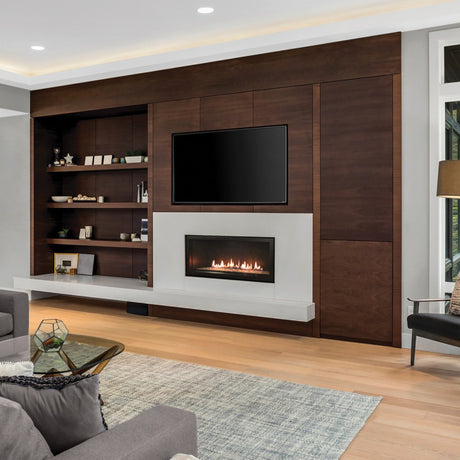
SaleEmpire Boulevard 36-Inch/48-Inch Linear Direct Vent Gas Fireplace
Sale priceFrom $5,049.00 Regular price $6,563.70Unit price -
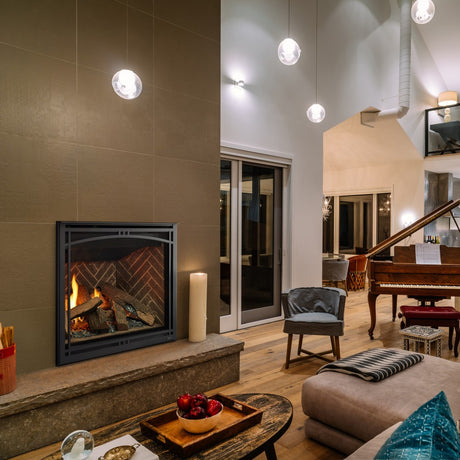 Sale
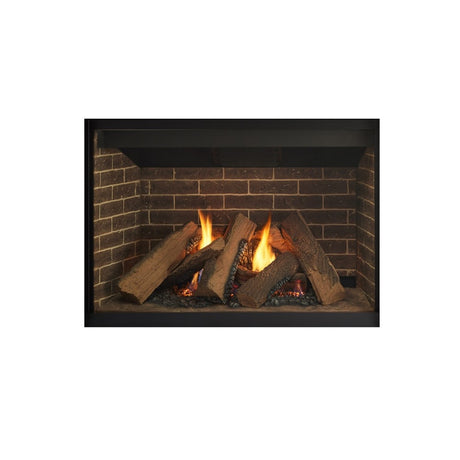
SaleMajestic Meridian Direct Vent Gas Fireplace
Sale priceFrom $3,199.00 Regular price $4,158.70Unit price -
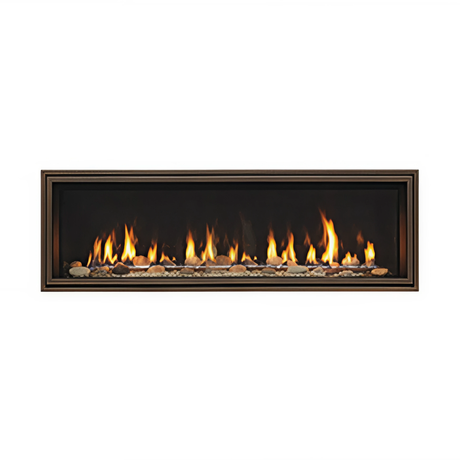
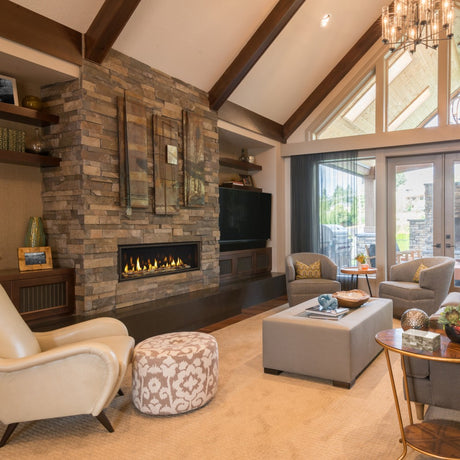 Sale
SaleMajestic Echelon II Direct Vent Gas Fireplace
Sale priceFrom $4,699.00 Regular price $6,108.70Unit price -
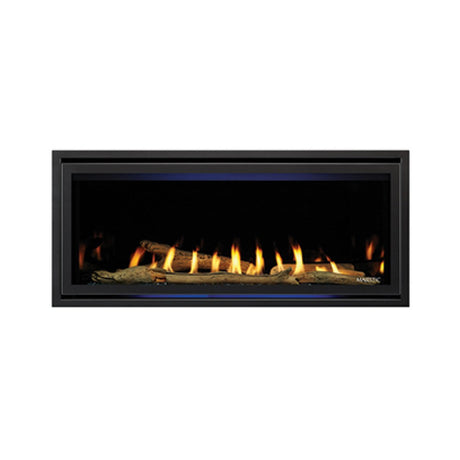
 Sale
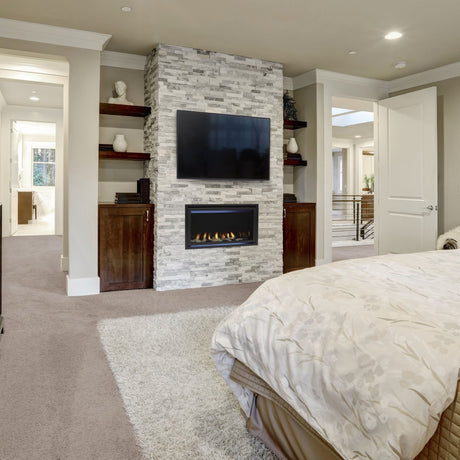
SaleMajestic Jade 42-Inch Direct Vent Gas Fireplace
Sale price $3,459.00 Regular price $4,496.70Unit price -
 Sale
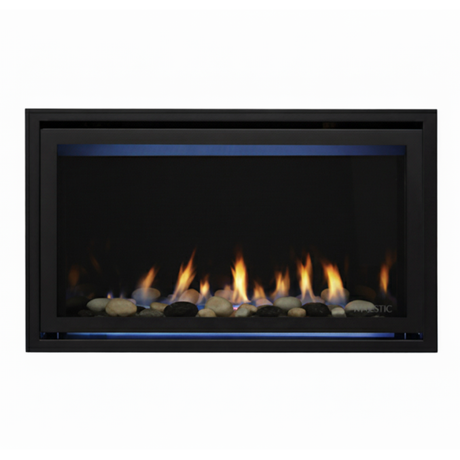
SaleMajestic Jade 32-Inch Direct Vent Gas Fireplace (JADE32IN-B)
Sale price $2,809.00 Regular price $3,651.70Unit price -
Sale
Majestic Courtyard Vent-Free Outdoor Natural Gas Fireplace
Sale priceFrom $2,699.00 Regular price $3,508.70Unit price -
Most InstalledSale
Empire Boulevard 36-Inch/48-Inch Linear Vent-Free Gas Fireplace
Sale priceFrom $3,005.00 Regular price $3,906.50Unit price -
Best LinearSale
Empire Boulevard 72-Inch Linear Vent-Free Gas Fireplace
Sale price $7,069.00 Regular price $9,189.70Unit price -
Sale
Superior VRE3200 Vent-Free Outdoor Gas Fireplace
Sale priceFrom $3,899.00 Regular price $5,068.70Unit price -
Sale
Majestic Vesper 42-Inch Outdoor Ventless Gas Fireplace
Sale priceFrom $1,959.00 Regular price $2,546.70Unit price -
Sale
Empire Vail 36 Premium Vent-Free Gas Fireplace
Sale priceFrom $2,059.00 Regular price $2,676.70Unit price -
Sale
Real Fyre Split Oak Vent-Free Gas Log Set Insert
Sale priceFrom $801.00 Regular price $1,041.30Unit price -
Sale
Majestic Lanai Vent-Free Outdoor Natural Gas Fireplace
Sale priceFrom $4,639.00 Regular price $6,030.70Unit price -
Sale
Empire Boulevard 48-Inch Linear Vent-Free See-Through Gas Fireplace
Sale price $3,769.00 Regular price $4,899.70Unit price -
Sale
Empire Boulevard 60-Inch Linear Vent-Free Gas Fireplace
Sale price $5,299.00 Regular price $6,888.70Unit price -
Easy InstallationSale
Empire Boulevard SL: 30-Inch Wall Mounted/Recessed Ventless Gas Fireplace
Sale price $2,319.00 Regular price $3,014.70Unit price -
Sale
Firegear Kalea Bay Outdoor Linear Vent Free Gas Fireplace with LED Lights
Sale priceFrom $4,299.00 Regular price $5,588.70Unit price -
Sale
Real Fyre Charred Aged Split Oak Vent-Free Gas Log Set Insert
Sale priceFrom $1,004.00 Regular price $1,305.20Unit price